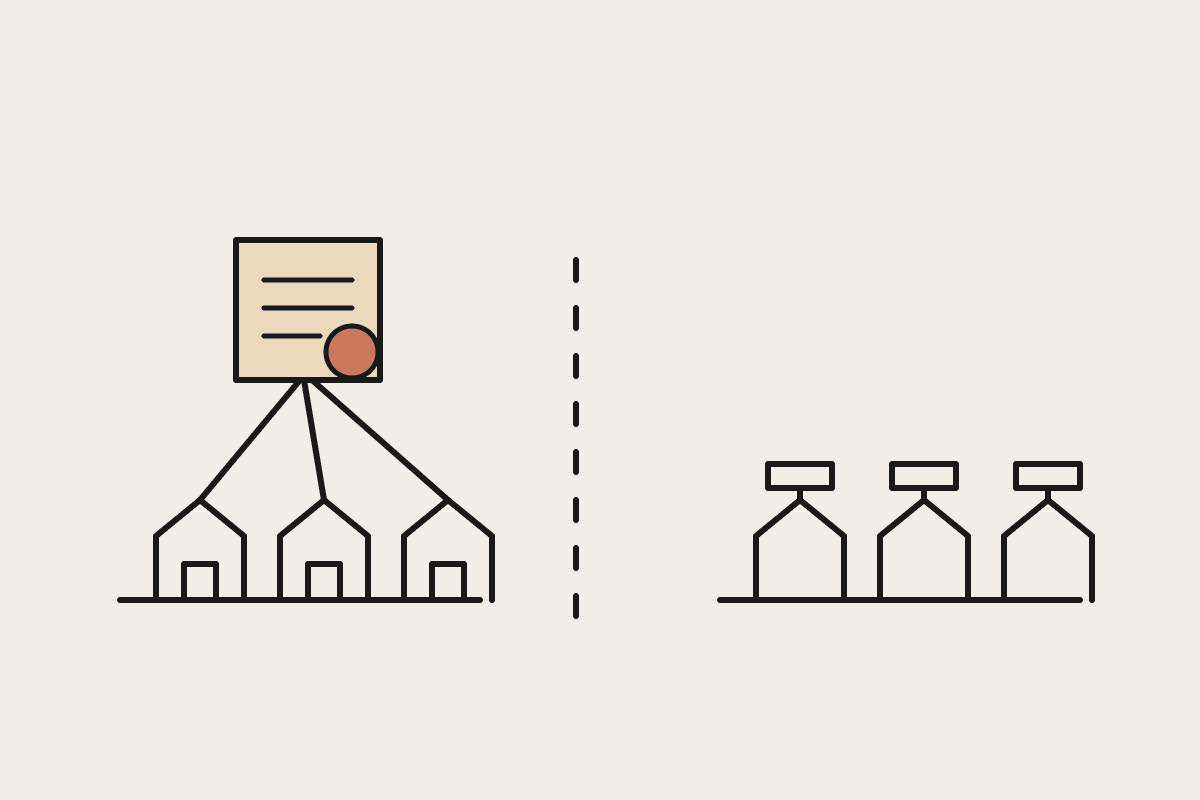
Conveyancing runs on contracts, and contracts do not arrive at an even pace. A busy Sydney or Melbourne practice can move from a quiet fortnight to forty or fifty live matters in a single week when the property market turns. Every contract of sale, every vendor statement, and every set of special conditions has to be read closely, because a missed cooling-off date or an unusual easement clause becomes your problem at settlement. The work is unglamorous and unforgiving in equal measure, and the crush of volume is exactly where careful conveyancers start making tired mistakes.
Where the review hours actually go
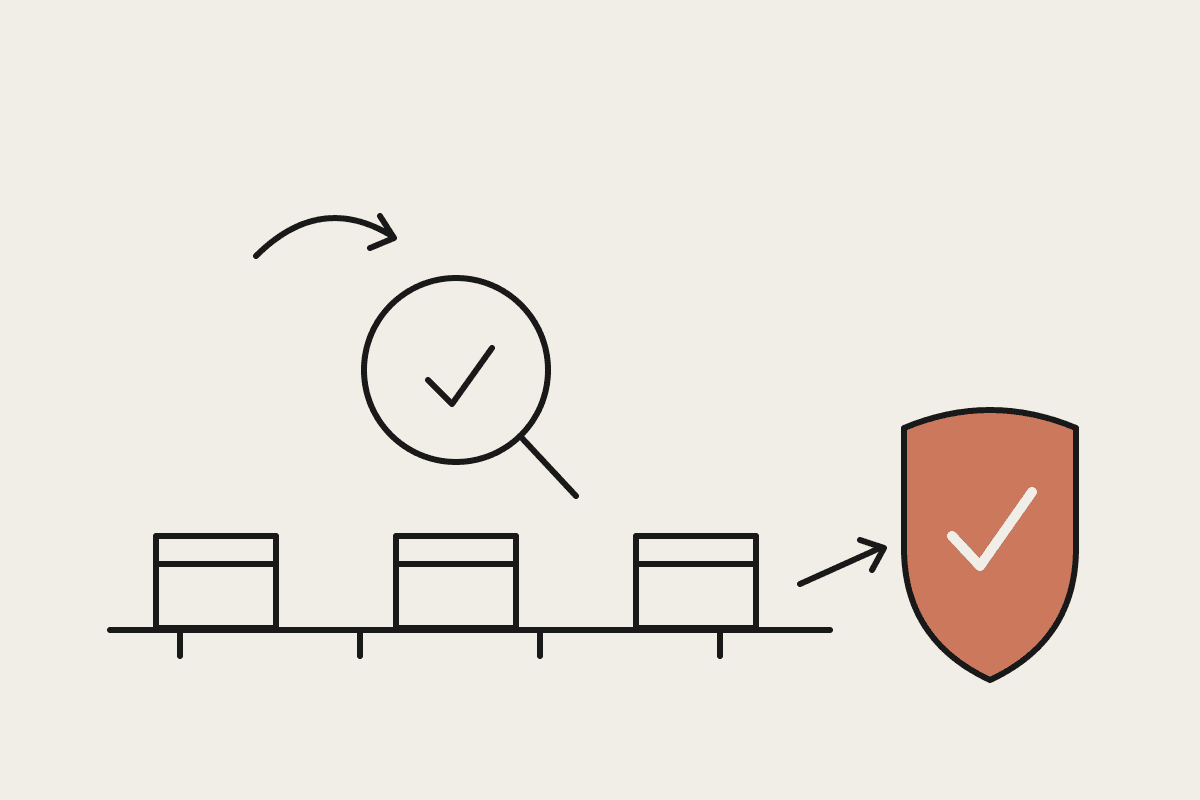
Most of the hours a conveyancer spends on a file are not legal judgement. They go to extraction and comparison: the same handful of checks repeated across every matter, most of them mechanical and none of them safe to skip.
Pulling the key dates and figures out of a contract of sale, including the settlement date, deposit amount, cooling-off period, and any sunset date on an off-the-plan purchase.
Reading a Victorian section 32 vendor statement or a New South Wales contract annexure against what the client said to expect.
Spotting non-standard special conditions that quietly shift risk onto the buyer, such as short finance windows or an unusually tight settlement.
Comparing the incoming contract against your standard Law Society or REI form to see precisely what has been changed.
Drafting the plain-English summary that goes to the client before they sign anything.
None of that work needs a second opinion on the law. It needs a fast, accurate first pass, so the licensed conveyancer can spend their attention on the few clauses that actually carry risk rather than on finding them.
What Claude handles in a conveyancing workflow
Claude is a large language model built by Anthropic that reads long documents and writes clear, structured summaries. In a conveyancing practice it sits between the incoming contract and the conveyancer, doing the first read and handing over a marked-up file instead of a blank one.
Extract every key term into a consistent checklist, so the settlement date and deposit are never buried on page nine of a scanned PDF.
Flag each clause that differs from your standard contract and explain, in plain English, what the change actually does to your client.
Draft the client-facing summary letter in your firm's own tone, ready for the conveyancer to check, adjust, and sign.
Answer quick internal questions about a specific contract, such as whether the cooling-off period has been shortened, in seconds rather than a full re-read.
The aim is not to remove the conveyancer from the file. It is to make a forty-contract week feel like the reading load of a fifteen-contract week, so the professional judgement lands on fresh eyes rather than at 9pm after the tenth contract in a row.
Client data, licensing, and where the line sits
Conveyancing in Australia is licensed and regulated state by state, under instruments such as the Conveyancers Act 2006 in Victoria and the Conveyancers Licensing Act 2003 in New South Wales. The licensed conveyancer keeps full professional responsibility for every matter, and Claude does not change that. It produces a draft and a summary; a qualified person reviews and signs. Claude is an assistant on the file, not a practitioner.
Contracts carry personal information, so the Privacy Act 1988 and your duty of client confidentiality apply to anything you put into a tool. We set Claude up so client data runs under Anthropic's commercial terms, which do not use your inputs to train models, and we keep identifying details out of prompts where a matter is sensitive. Trust-account records and verification-of-identity steps stay inside your existing systems and are never handed to a model.
The numbers for a small practice
Consider a two-person conveyancing firm reading 40 contracts in a busy week at roughly 30 minutes of reading and summarising each. That is 20 hours of senior time a week spent before any advice is given. If Claude's first pass cuts the reading-and-drafting portion in half, you recover close to 10 hours a week. At a charge-out rate of $180 an hour, that is around $1,800 of capacity returned every busy week, taken either as more matters handled or as earlier finishes.
A working setup is not a twelve-month project either. Most conveyancing practices we work with are running a reviewed, firm-branded contract-summary workflow within a few weeks, for a fixed setup fee rather than an open-ended build that drifts. A tool the whole team quietly trusts is worth far more than a clever demo that impresses once and is abandoned a month later.
Contract volume is not going away, and hiring your way through every seasonal peak is expensive and slow. A well-built Claude workflow lets a small Australian conveyancing team take on more matters without the late-night burnout that causes the mistakes in the first place. If you want to see what that would look like for your practice, book a short brainstorm with us.