If you run a five-person firm in Australia, the Claude question usually starts as a billing question. Do you buy five individual Claude Pro subscriptions, or move the team onto Claude for Small Business? The honest answer is that the monthly fee is the least interesting part of the decision. The bigger difference is what each option does to how your people actually work together.
We set up Claude for Australian businesses every week, and the five-person band is where this choice bites hardest. You are small enough that individual subscriptions feel simpler, but big enough that the cracks in that approach start to cost real money. Here is how we work through it with clients.
Start with the work, not the subscription
The plan is a wrapper. What matters is whether your team shares clients, files, and ways of doing things. A conveyancing practice where all five people touch the same matters is a very different case from five contractors who happen to share an office and nothing else. Before you compare prices, be honest about how much of your work is genuinely shared. That answer decides the plan for you.
Pro and Small Business solve different problems
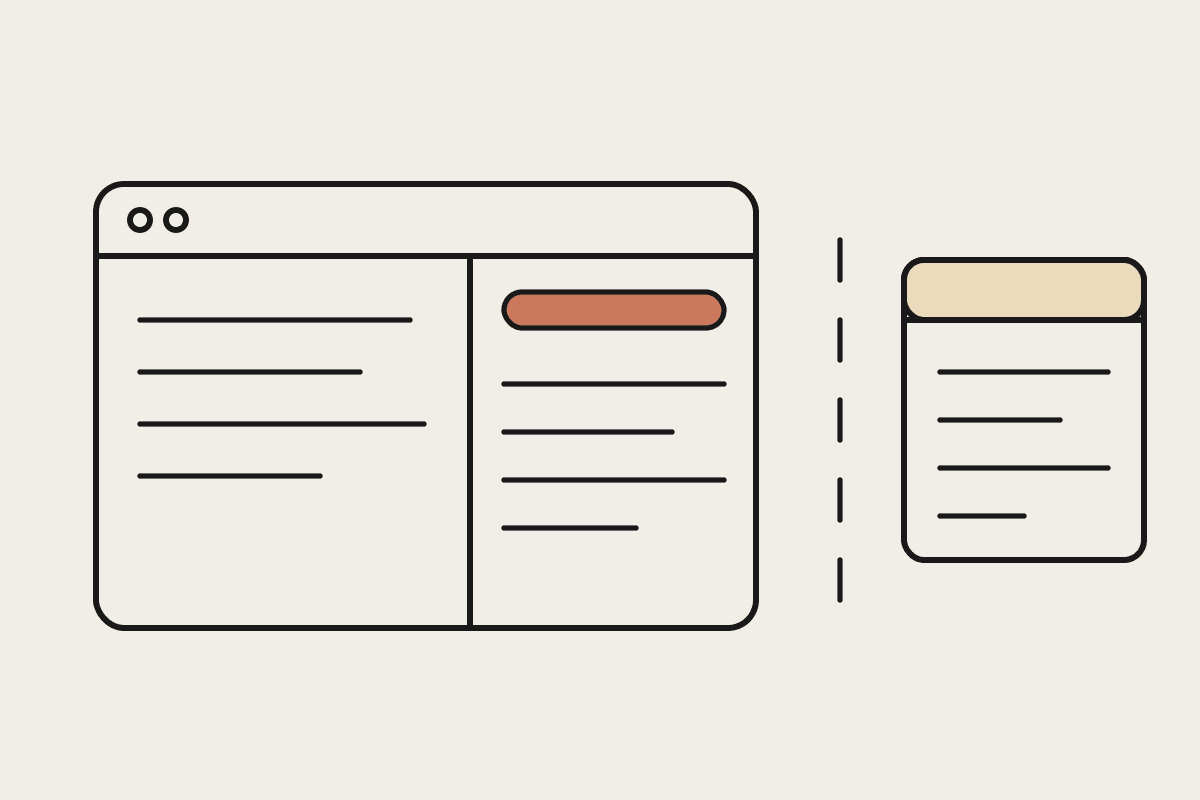
Claude Pro is built for one person. One login, personal chat history, personal projects. It is the right tool for a sole trader or a single power user who wants heavier usage than the free tier and access to the stronger models. Five people each buying Pro gives you five capable individuals working in five separate boxes.
Claude for Small Business is built for a team. One workspace, central billing under the company ABN, shared projects, and admin controls over who can see what. The unit of work shifts from "my chats" to "our workspace", and that shift is where the money is.
What the team plan actually changes
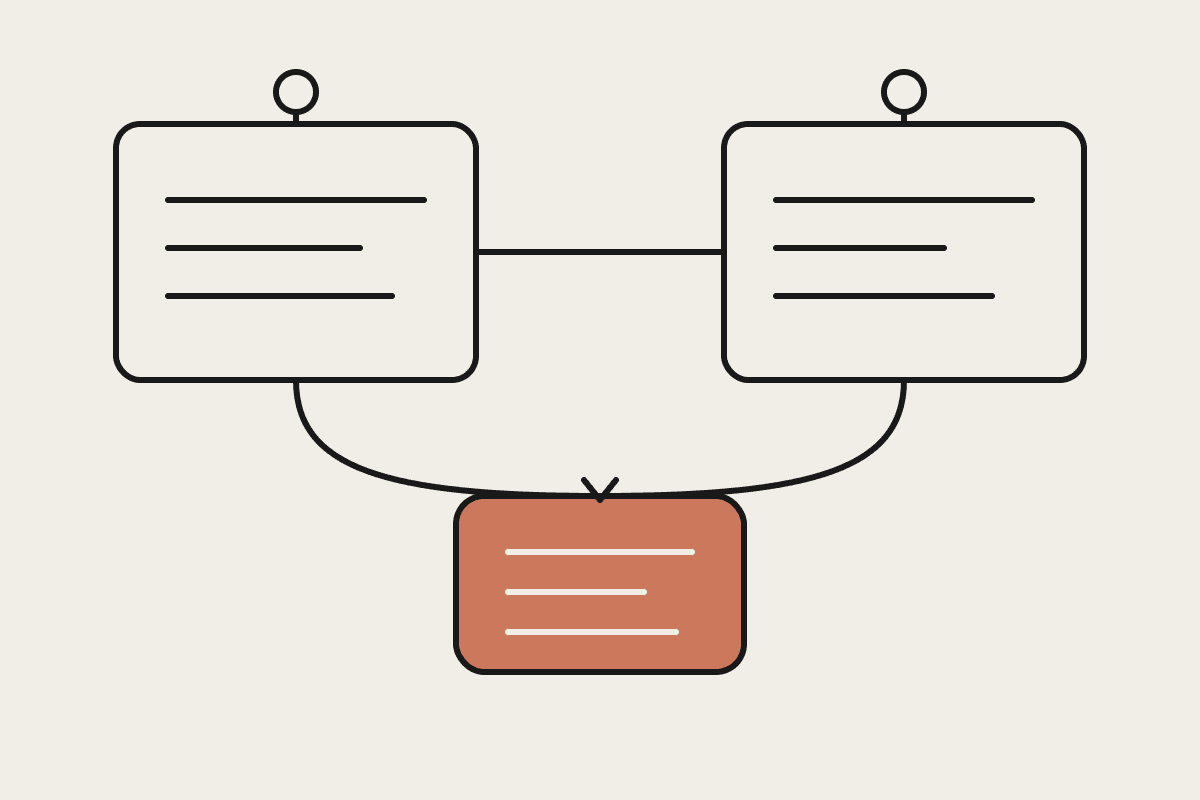
Shared projects: one client folder, one set of instructions, and a reference library every staff member draws on, instead of five people each re-explaining the business to a blank chat.
Central billing and admin: a single invoice against the company, seats you add or remove as people join or leave, and one place to offboard a departing staffer so their access ends cleanly.
Consistent context: house style, tone, and standard procedures live in the workspace, so your newest hire gets close to the same quality of output as the founder.
Higher pooled usage: heavier limits that suit a team hammering the tool through a busy BAS week, rather than five separate personal caps.
A cleaner privacy story: business-tier terms and admin visibility matter when you handle client information under the Privacy Act.
The five-person maths
Put rough numbers on it. Say your five people bill or cost out at an average of A$95 an hour. If Claude saves each of them just three hours a week, and that is a conservative figure once shared projects remove the re-explaining tax, that is 15 hours a week across the team. At A$95 an hour, that is about A$1,425 a week, or roughly A$68,000 a year of recovered capacity.
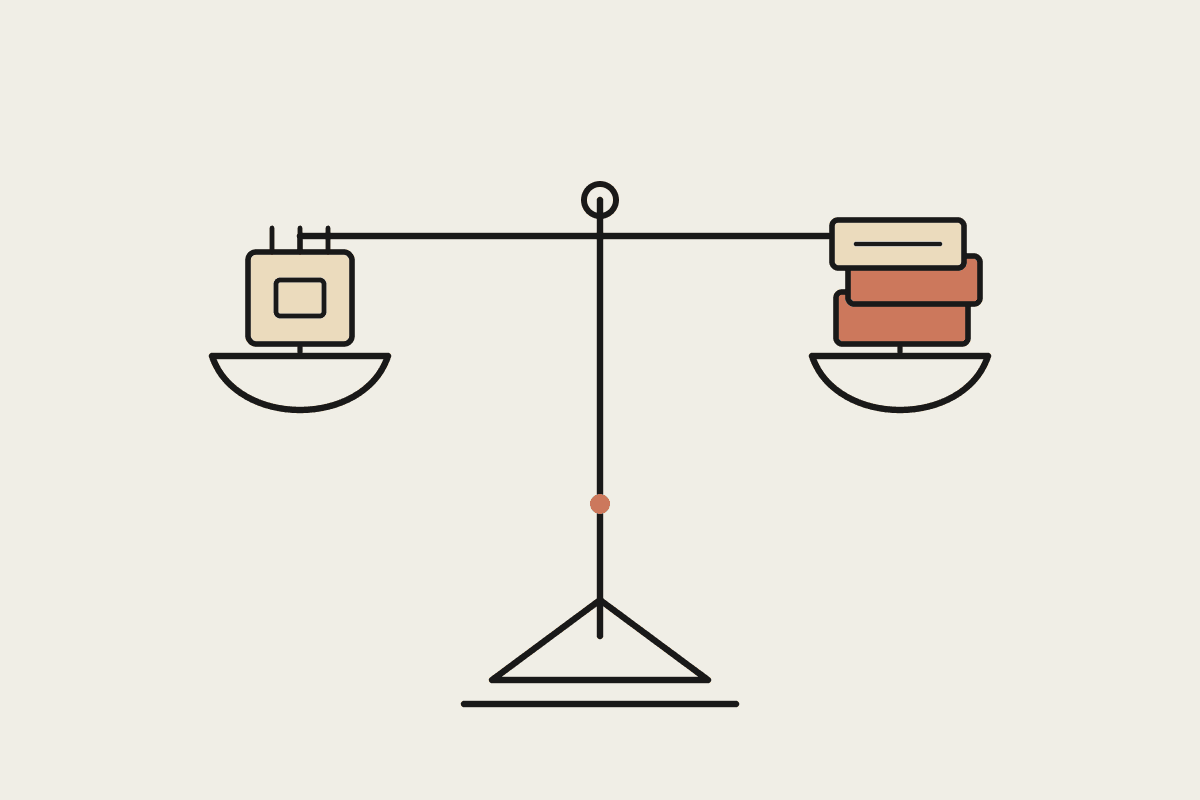
Against that, the gap between five Pro seats and a Small Business plan is a rounding error. Even if the team plan cost you an extra A$1,000 a year over individual seats, the decision is not close. The money question was never the real question. The capacity question is.
Five Pro seats: five capable individuals, five separate contexts, no shared memory of how your firm does things.
Small Business plan: one shared brain for the firm, central control, and output that gets more consistent as you feed the workspace.
The cost gap between them: small enough that a single afternoon of recovered senior time, about A$400 for half a day at A$95 an hour, covers it for the year.
When individual Pro is still the right call
Not every five-person firm should jump. Individual Pro seats make sense when your people do genuinely unrelated work with no shared clients or procedures, when only one or two people will actually use Claude and the rest would be paying for a login they never open, or when you are still in a trial month and want to prove the value on one desk before committing the whole firm.
If that is you, buy one or two Pro seats, run them for a month, and measure. The move to a team plan is easy once you have evidence, and you will make it with numbers rather than a hunch.
A simple decision rule
Here is the rule we give Sydney clients who want a one-line answer:
If your team shares clients, files, or procedures, and more than two people will use Claude, go to Claude for Small Business. The shared context pays for itself in weeks.
If your people work in silos, or only one desk will really use it, start with individual Pro and revisit once you hit about five active users.
Either way, put one person in charge of the workspace or the seats, so billing and offboarding never become a mystery at tax time.
The plan you pick matters less than what you do in the first fortnight. A team plan with an empty workspace is just five Pro seats with a shared invoice. The value shows up when your standard procedures, client context, and house style live somewhere the whole firm can reach.
If you want a hand mapping your firm onto the right plan and setting up the workspace so it earns its keep, we do this with Australian businesses every week. You can book a short call and we will talk it through.