Most Australian businesses that bring Claude Cowork into the team can feel it working. Reports get drafted faster, the Monday admin pile shrinks, and someone finally stops dreading month-end. What they usually cannot do is put a number on it. When the finance conversation comes around, "it feels faster" is not an answer that survives a budget review.
A time-ledger fixes that. It is a light habit, not a project. For a few weeks, the people using Claude write down the tasks it touched and how long each one took, with and without it. The gap between those two numbers, multiplied by a fully loaded hourly rate, is your return. This post walks through the method, the AUD maths, and a worked example you can copy.
Why AI returns usually get fudged
There are two common ways to get this wrong. The first is the vendor-slide method: take a headline figure like "40% faster" and apply it to everyone. It almost never matches the shape of your actual work. The second is the vibes method: the team says the tool helps, so it stays, right up until a cost review asks for evidence and nobody has any.
A time-ledger avoids both because it measures your tasks, your rates, and your volumes. It is deliberately boring, and boring is what survives scrutiny. A few things reliably break measurement:
Counting the licence cost but never counting the hours returned, so the tool reads as pure expense on the P&L
Measuring one impressive use case and ignoring the twenty small ones that quietly add up to more
Guessing at time saved months later, from memory, instead of recording it while the task is fresh
The time-ledger method
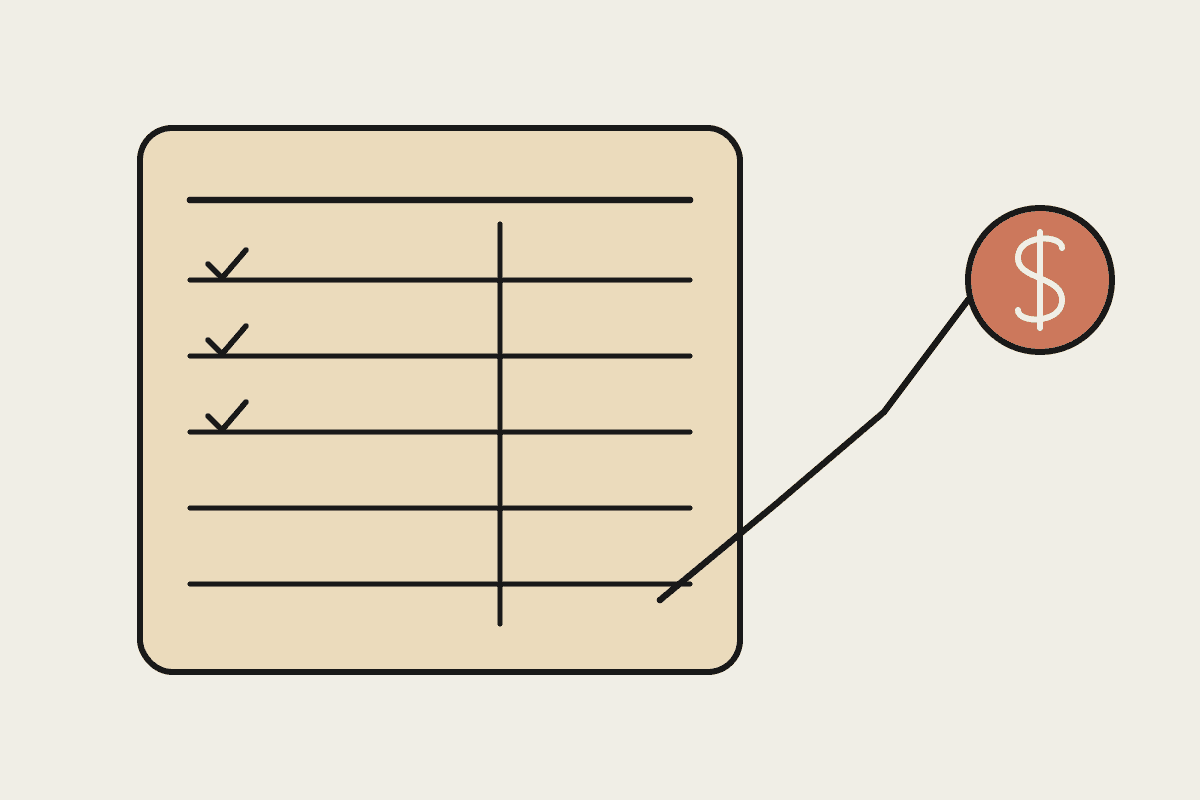
The ledger is a single shared sheet with one row per task. You are not tracking every minute of the day. You are sampling the work Claude actually touches over a representative two to four week window.
What each row records
The task and who did it, such as "draft client proposal" or "reconcile supplier invoices"
Time with Claude: how long it genuinely took this time
Estimated time without Claude: an honest baseline from how the same task ran before
A confidence flag: high if you have recently done this task both ways, low if the baseline is a guess
Whether the output needed rework, and roughly how much
The confidence flag is what keeps the ledger honest. It stops the sheet turning into a wish-list. Rows marked low confidence get discounted or excluded when you total everything up. The goal is a number a sceptical CFO would accept, not a best case.
How long to run it
Two weeks is enough for a small team to gather a useful sample. Four weeks smooths out the difference between quiet and busy periods. Run it once at adoption to set a baseline, then repeat for a fortnight each quarter to check whether the saving holds as people take on harder tasks.
Turning saved hours into AUD
Hours are the input. Dollars are the output that gets a budget signed off. Use a fully loaded hourly rate, not the base salary rate. Fully loaded means salary plus superannuation, payroll tax, software, and overhead. For many Australian knowledge workers that lands somewhere between A$70 and A$140 an hour, depending on seniority and on-costs.
Say the ledger shows one staff member saved 5 hours in a fortnight, at high confidence, on tasks that genuinely needed doing. At a fully loaded A$95 an hour, that is A$475 a fortnight, or roughly A$11,400 across a working year for one person. Multiply that across a team of eight with similar savings and you are near A$90,000 a year of returned capacity, against a licence bill that is a small fraction of it.
Two rules keep the figure defensible:
Only count hours that were redirected to real work or genuine rest, not hours that quietly refilled with more meetings
Subtract rework time, the licence cost, and any setup help before you quote a net return
A worked example: a 12-person Sydney firm
A Sydney professional-services firm ran the ledger for three weeks across a team of twelve and logged 214 task rows. After excluding low-confidence rows and subtracting rework, the net saving came to 142 hours over the three weeks.
At a blended fully loaded rate of A$105 an hour, 142 hours is about A$14,900 for those three weeks. Annualised, and holding the pace steady, that points to roughly A$258,000 in returned capacity a year. Their all-in Claude cost, including a fixed-fee setup engagement, was under A$40,000 for the year. Even halving the estimate to stay conservative, the return clears the cost several times over.
The ledger did more than produce a headline number. It showed which task types paid off, such as first drafts, research synthesis, and reconciliations, and which did not, such as anything needing a judgement call the team was not yet ready to delegate. That told them exactly where to train next.
What the ledger tells you to do next
A good time-ledger is a decision tool, not just a scorecard. Read across the rows and three moves usually stand out:
Double down on the task types with the highest saving and highest confidence: make them the standard way of working and write them into a Claude skill so the whole team gets the same result
Fix or drop the tasks carrying heavy rework: either the prompt needs work, the task is a poor fit, or the person needs a short training session
Watch the low-confidence rows next quarter: that is where tomorrow's savings, or tomorrow's disappointments, are hiding
Done twice a year, this turns a vague sense that Claude helps into a defensible line in the budget and a clear map of where to push adoption further.
If you want a hand setting up a time-ledger for your team, or turning the winning tasks into repeatable skills, we do exactly this for Australian businesses. You can book a brainstorm with us through our contact page.
Where to go next
If you are setting Cowork up from scratch, start with Claude Cowork setup guide. Two pieces that sit closest to this one: