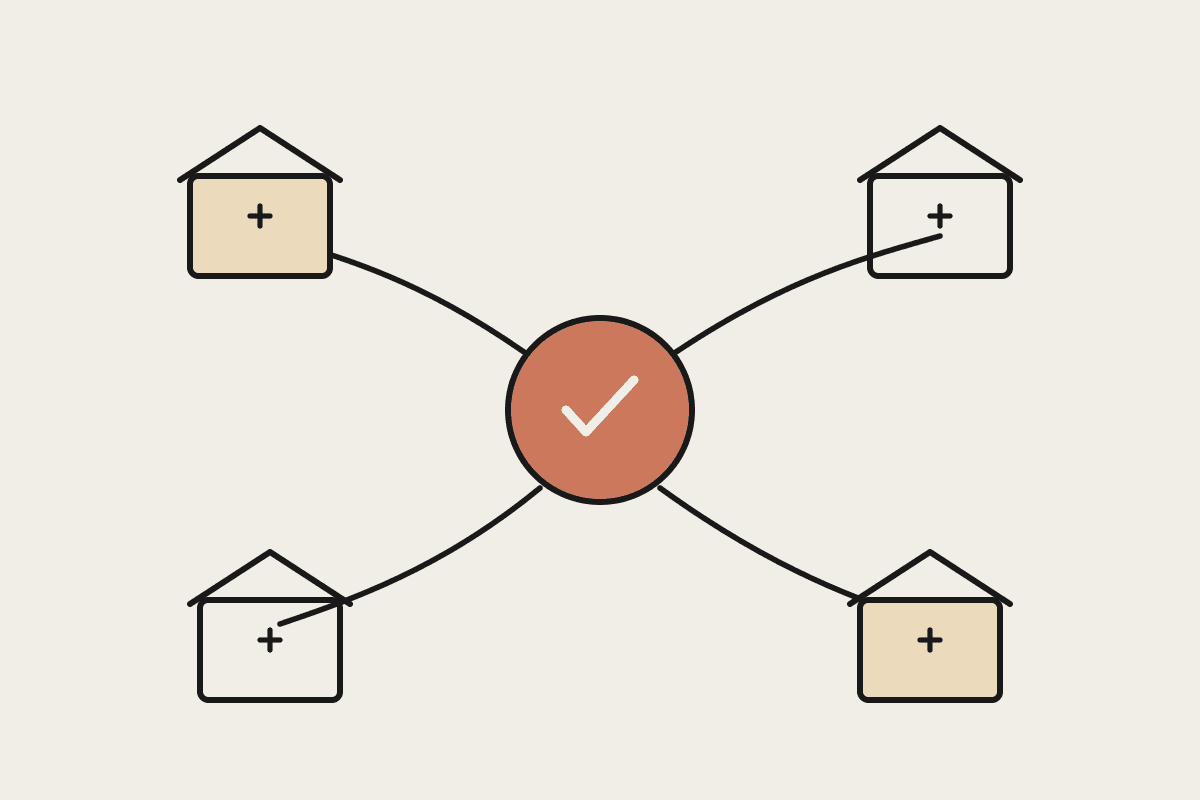
A veterinary group that runs three or four clinics rarely fails because the clinical work is inconsistent. Vets are trained to a national standard and audited against it. Where these groups actually wobble is the admin layer: how each site writes referral letters, how it books recalls, how it phrases a quote, and how quickly it answers an email. Each clinic quietly develops its own habits, and by the time a group reaches five sites the client experience can feel like five different businesses trading under one logo.
Claude, the AI assistant we build with at Automata AI, is well suited to this problem because most of it is language work. Consistency in a multi-clinic vet group is mostly about producing the same quality of written output no matter which practice manager is on shift. That is exactly the kind of task an AI assistant handles well, provided the group sets it up with the right guardrails.
Where consistency breaks down across clinics
Before adding any tool, it helps to name the specific places where a growing vet group drifts. In our discovery sessions with Australian practices, the same handful of tasks come up again and again:
Referral letters to specialists, where tone and completeness vary by whoever drafts them
Post-consult summaries sent to owners, which some sites write in full and others skip
Recall and reminder wording for vaccinations, dentals, and health checks
Quotes and estimates, where the same procedure is described five different ways
Reviews and complaint responses, which range from warm to defensive depending on the day
None of these are clinical decisions. They are writing and coordination tasks that sit on top of the clinical record. That distinction matters, because it means a group can standardise them without touching the parts of the job that legally and ethically belong to the treating vet.
What Claude can standardise without taking over the vet's judgement
The goal is not to have an AI make animal-health decisions. The goal is to take a vet's notes or a practice manager's rough draft and turn it into the group's house style every single time. A few concrete examples show how narrow and safe this can be.
Referral and report letters
A vet finishes a consult and dictates three lines of notes. Claude expands those notes into a full referral letter that follows the group's template: patient signalment, presenting complaint, findings, and the specific question being asked of the specialist. The vet reads it, corrects anything wrong, and sends. A letter that used to take fifteen minutes and vary by author now takes two minutes and reads the same from every clinic in the group.
Client communication and recall
Recall campaigns are where consistency pays off fastest. Instead of each site writing its own reminder texts, the group defines one voice and Claude drafts every recall message against it, adjusting only the clinical detail and the owner's name. The same applies to post-consult follow-ups and to the awkward messages nobody enjoys writing, such as a gentle nudge about an overdue account or a compassionate note after a euthanasia.
A practical rollout for a vet group
The mistake we see is groups trying to standardise everything at once. A calmer path is to pick one high-volume task, get it right across every clinic, then move to the next. A typical sequence looks like this: start with referral letters because they are frequent and high-stakes, move to recall wording because it drives revenue, then handle quotes and review responses.
The group also needs a single source of truth for its house style. Claude works best when it is given the group's actual templates, tone rules, and a few worked examples rather than being asked to invent a style. Once that reference exists, every clinic draws from the same well, and a new practice manager in Brisbane produces the same quality of letter as a ten-year veteran in Sydney.
Costs, privacy, and what a group should watch
The commercial case is straightforward. A five-clinic group might carry the equivalent of $220,000 a year in practice-manager and reception wages, and a meaningful slice of that time goes to drafting and re-drafting routine correspondence. Recovering even three hours a week per site is worth roughly $45,000 a year across the group, before counting the revenue from recalls that actually go out on time. The tooling itself costs a small fraction of that.
Two cautions belong on every vet group's list. First, animal patient records still contain owners' personal information, so the same care under the Australian Privacy Act that applies to any customer database applies here, and the group should confirm where prompts and drafts are processed and retained. Second, an AI draft is a draft: the treating vet remains responsible for the clinical content of any letter or estimate, and the workflow must keep a human review step in place rather than auto-sending. Bodies like the Australian Veterinary Association expect that professional accountability to stay with the vet, and a well-designed setup makes that review fast rather than skipping it.
Multi-clinic consistency is a solvable problem, and it is mostly a writing problem in disguise. A vet group that gives every site the same drafting assistant, the same templates, and the same review discipline stops sounding like five businesses and starts sounding like one.
If you run a veterinary group and want to see how this would work across your sites, book a short brainstorm with us and we will map it to your actual admin load.