An independent retailer running two or three stores in Sydney or Melbourne carries the same buying and pricing decisions as a national chain, just without the merchandising team to make them. Every buy is a bet on next season's sell-through. Every markdown is a decision about how much margin to give up now versus how much stock to carry into a clearance sale later. Claude does not replace that judgement. It gives the owner or buyer the same kind of analysis a retail chain's planning team would produce, built from the sales and stock data the business already has sitting in its point-of-sale system.
Where the margin actually leaks
Most independent retailers do not lose margin on a single bad decision. It leaks out through small, repeated ones: a reorder placed two weeks late, a markdown that starts at 20% when 40% would have cleared the rack before the stock aged further, a bestseller that runs out in the size customers actually buy. None of this shows up clearly in a weekly sales report. It shows up at season-end reconciliation, when the buyer realises a category that looked fine all year finished $45,000 under plan.
Slow-moving lines held at full price for too long, tying up cash that could fund the next buy
Reorders based on last year's pattern rather than this season's actual sell-through rate
Markdowns applied store-wide instead of by location, discounting stock that was already selling well in one branch
No early warning on a line tracking 30% behind forecast until the monthly report lands
Turning point-of-sale data into a buying brief
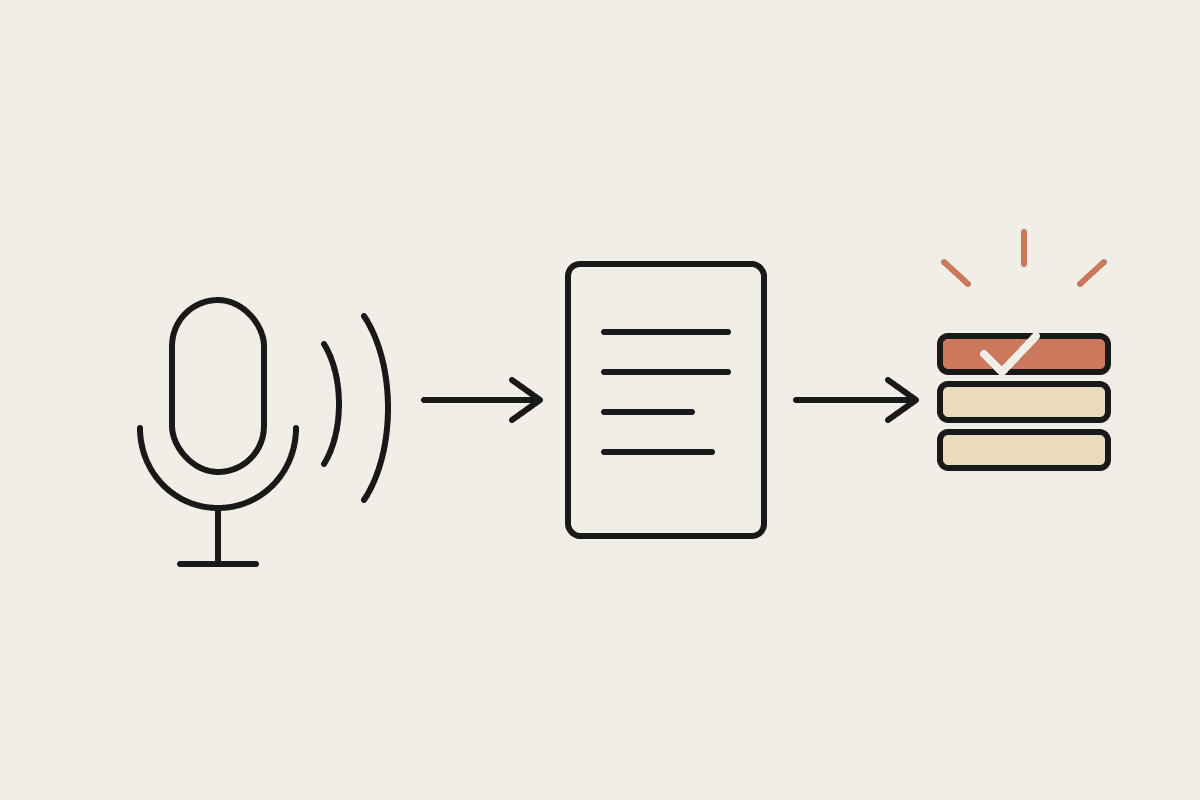
Claude can take a sales export, a CSV from Square, Lightspeed, or whatever POS the business runs, and turn it into the kind of category review a buyer would otherwise spend a full day building by hand: sell-through rate by SKU, weeks of cover at the current sales pace, and a ranked list of what to reorder now versus what to let run out. Feed it last season's numbers alongside this season's and it will flag the categories moving faster or slower than the plan assumed, in plain language rather than a wall of pivot tables.
For a retailer placing a buy four to six months ahead of the season, that turnaround matters. A buying brief that used to take a weekend to pull together, and that only happened when someone had the time, can instead run every fortnight. The owner walks into a supplier meeting with the actual numbers instead of a feeling that the blue range did well last year.
Pricing and markdown timing that matches how stock is actually selling
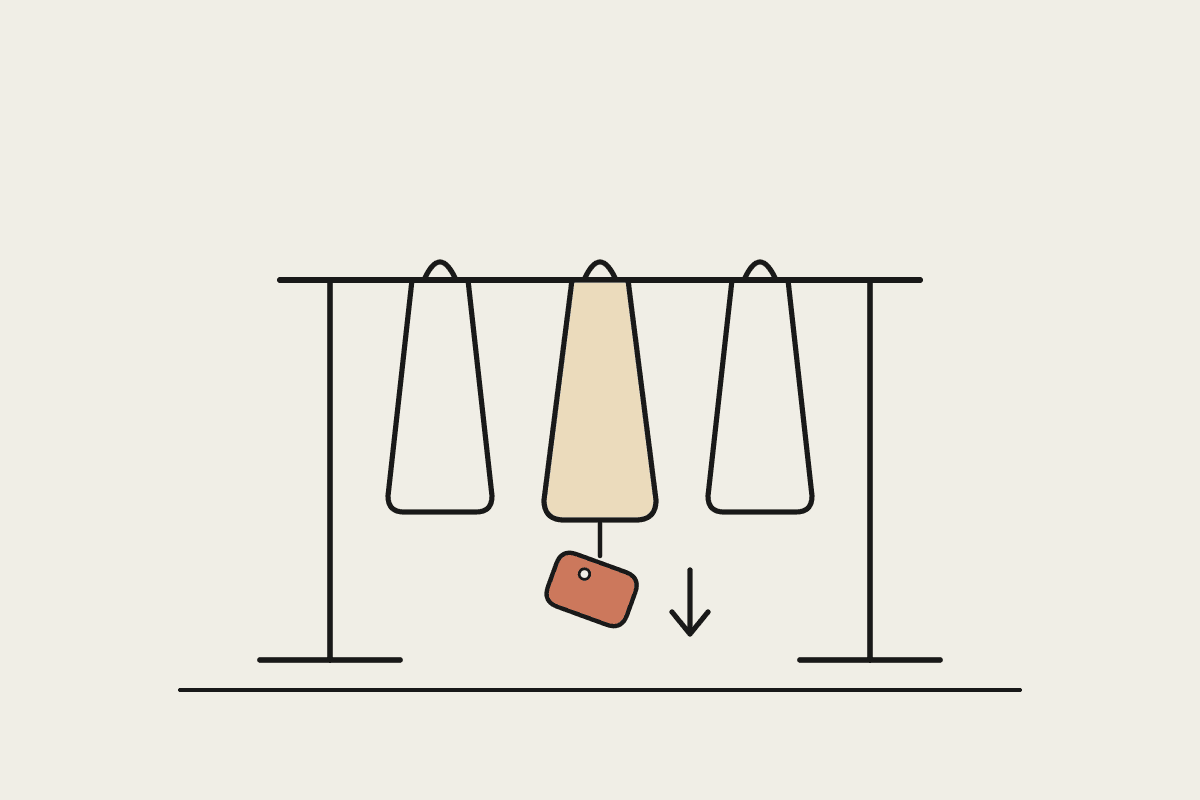
Markdown decisions are where independent retailers most often lose money to hesitation. Waiting an extra fortnight to mark a line down feels like protecting margin, but it usually means clearing the same stock later at a deeper discount once it has aged further and lost its window. Claude can model markdown scenarios against the sell-through data: what happens to gross margin if a line drops 20% now versus 35% in three weeks, based on how comparable lines cleared last season.
First-markdown triggers set by weeks of cover remaining, not a fixed calendar date
Store-by-store markdown depth, so a line still selling well in Brisbane is not discounted because it stalled in a different location
A running log of what depth actually cleared each category last season, so this year's first cut is closer to the number that works
What this looks like week to week
In practice, most independent retailers running this with Claude are not running a complex system. It is usually a standing prompt or a small script that pulls the week's sales export, compares it against the buying plan, and produces a short written summary: what is ahead of plan, what is behind, and which lines need a markdown decision this week rather than next month. That summary goes to the owner or buyer as a Monday-morning brief, the same shape as the reporting a head office planning team would produce for a chain ten times the size.
Getting started without a data team
The businesses that get the most out of this are not the ones with the cleanest data. They are the ones willing to start with whatever export their POS already produces, and refine the categories and thresholds over a season or two. A retailer with $1.2M in annual turnover and no dedicated analyst can have a working buying and markdown review running within a couple of weeks, not a multi-month systems project. The Privacy Act still applies to customer purchase history the same way it always has; what changes is how fast the sales-side numbers get turned into a decision.
If buying, pricing, or markdown timing is the part of the business that still runs on gut feel more than it should, Automata AI can help set up a Claude-based review that runs off your existing POS export. Book a time to talk it through.