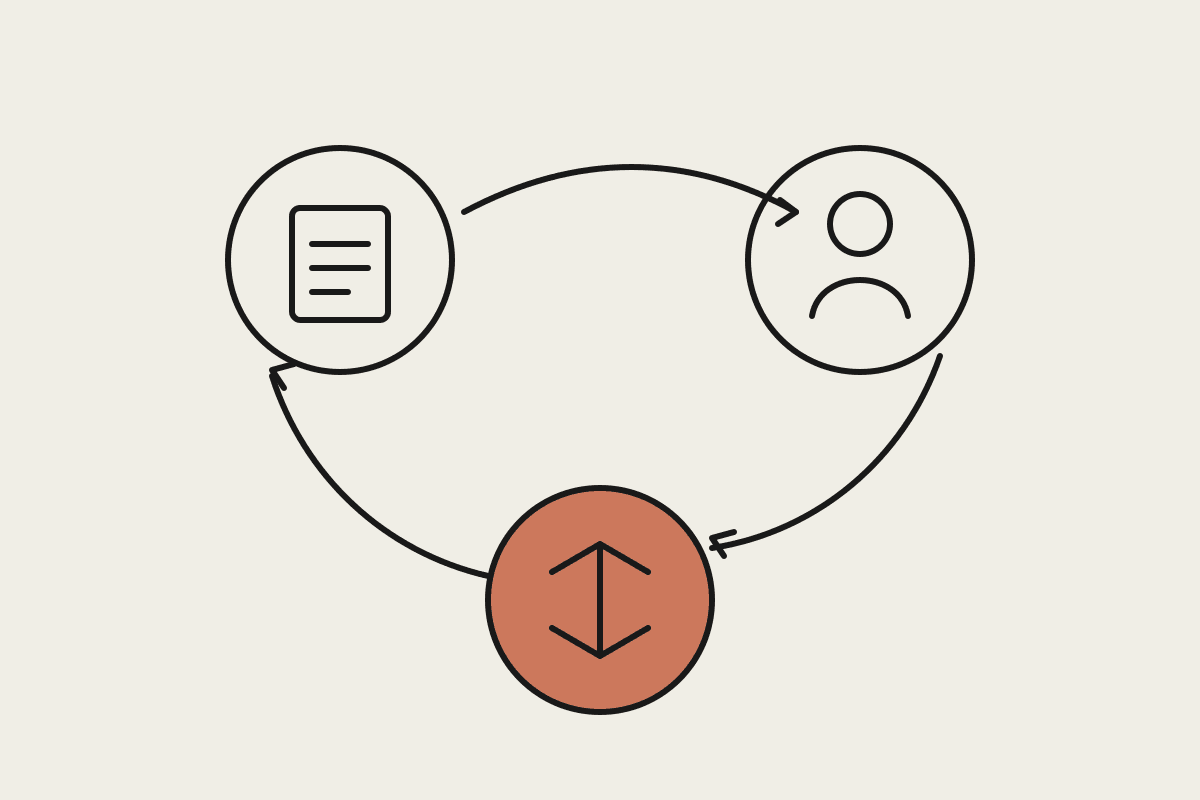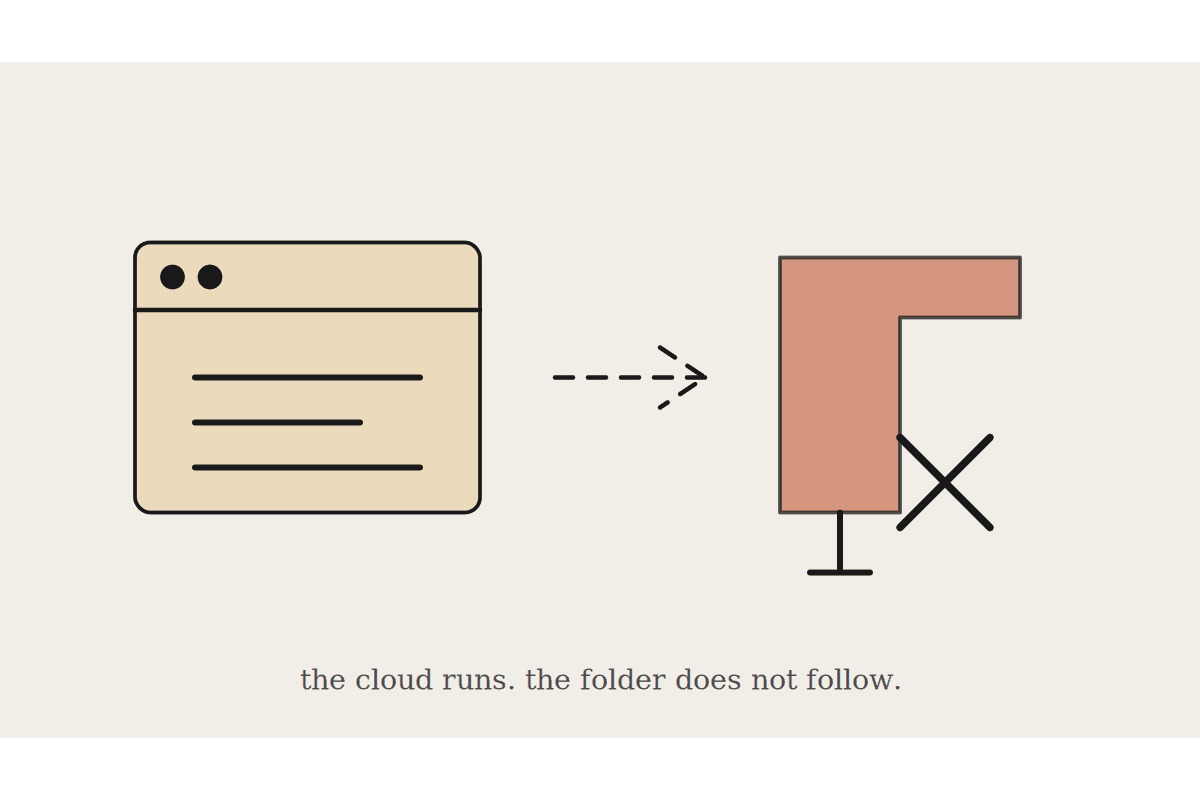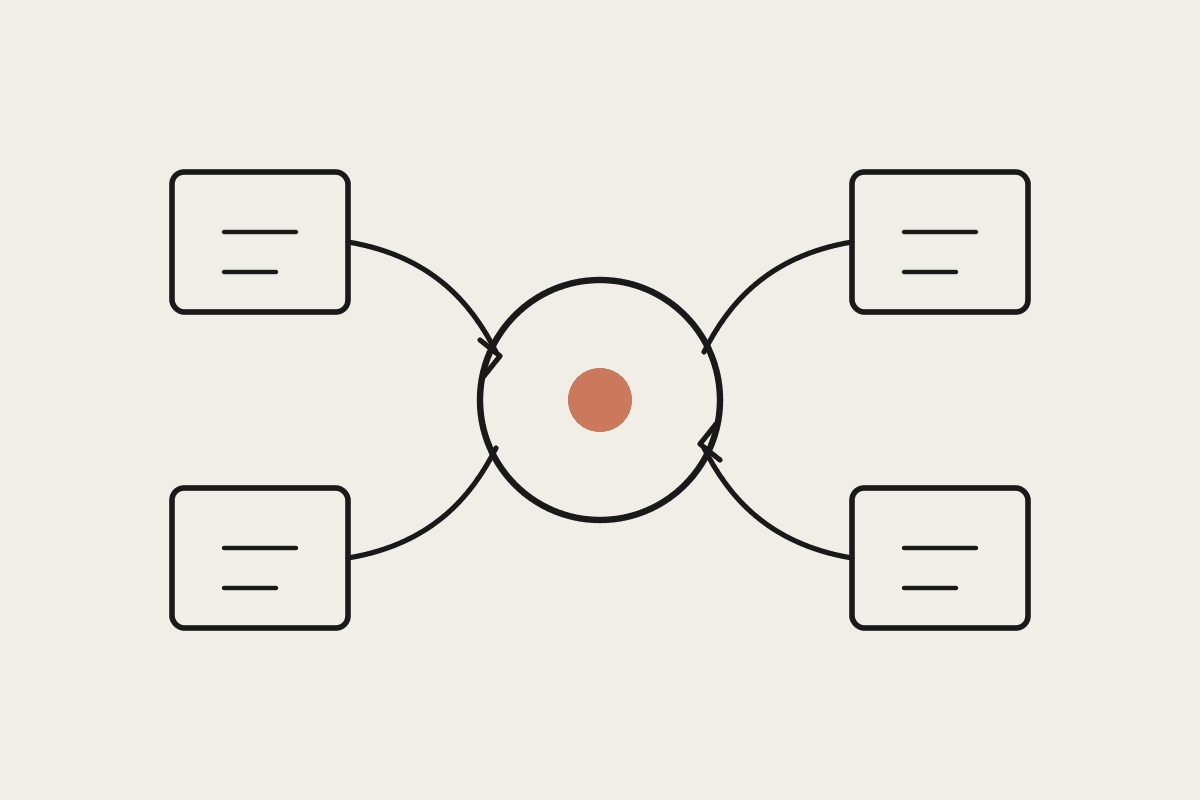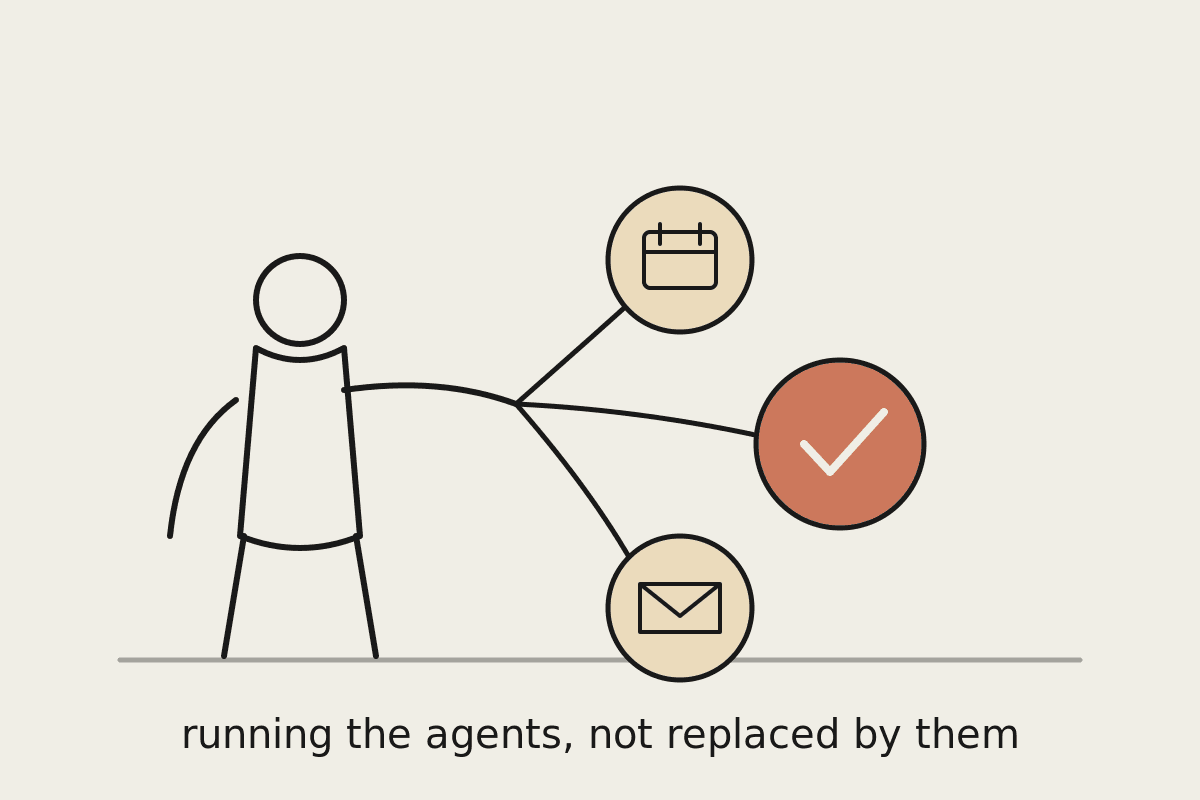
Ask a Sydney virtual assistant business what's on this week's task list and you'll get roughly the same answer you'd have heard five years ago: inbox triage, calendar juggling, data entry, invoice chasing, research briefs. The difference now is that Claude can do most of that list directly, today, for a fraction of an hourly VA rate. That's not a reason to panic. It's a reason to change what you're selling. The VA businesses that lose clients over the next two years won't be the ones using AI. They'll be the ones still charging by the hour for work an agent finishes in ninety seconds. The ones that grow are becoming the people who set up, supervise and stand behind the agents doing the work.
The tasks disappearing off the invoice
Most VA retainers are built around a handful of repeatable tasks, and repeatable is exactly what an agent is good at. Claude can read an inbox against a set of rules, draft replies in a client's voice, log the outcome in a CRM and flag anything that needs a human call. None of that requires judgement in the way that closing a deal or handling an upset customer does. The tasks a typical Australian virtual assistant bills at $45 to $65 an hour for often fall into a short, repeatable list:
Inbox triage and first-draft replies
Calendar scheduling, rebooking and reminder chasing
Data entry and CRM record updates
Research briefs and competitor summaries
Invoice creation, chasing and reconciliation
Social media scheduling and caption drafting
Run the agent instead of competing with it
The businesses adapting well aren't trying to out-type Claude. A Sydney-based three-person VA agency we spoke with rebuilt its service around agent supervision rather than task execution: Claude runs the inbox and calendar for each client inside guardrails the team writes, and the humans review flagged items, handle escalations and sign off on anything client-facing. Revenue on that model sits close to $120,000 a year per staff member, roughly double what the same team billed doing the work by hand, because the constraint shifted from hours in the day to number of clients supervised. The skill that matters now is writing the rules an agent follows, not typing faster than the client's inbox fills up.
What the retainer looks like once Claude runs the queue
Hourly billing doesn't fit this model, because the agent doesn't take longer on a bad day. Most agencies making the switch move to a flat monthly retainer, commonly $1,800 to $3,500 depending on how many inboxes and calendars are in scope, plus a setup fee of around $2,000 to configure the agent's rules, tone and escalation triggers for each client. What clients get for that is different from a traditional VA retainer:
Agent-run inbox and calendar management with documented escalation rules
Weekly human QA review of a sample of agent decisions
A monthly report showing what was handled automatically versus escalated
A named person accountable for anything the agent gets wrong
Which clients to move first
Not every client is a good fit on day one. Start with the ones whose inbox and calendar patterns are the most repeatable, where most incoming email falls into five or six categories you could write rules for this afternoon. Avoid moving a client onto an agent-run model in the same month you're onboarding three new ones; the QA review in week one matters more than the sales pitch. A rough sequencing that's worked for early movers:
Clients with high email volume but low complexity per email, such as bookings and standard replies
Clients already using a CRM or scheduling tool the agent can connect to
Clients open to a fixed monthly fee instead of hourly billing
Clients without existing agency-side automation you'd need to unwind first
The compliance layer that still needs a human
None of this works if the agent has open access to a client's email, calendar and financial records without a data handling agreement in place. The Privacy Act 1988 governs how personal information is collected, used and disclosed, and a VA business running agents across multiple clients' inboxes is effectively a data handler for each of them. Melbourne and Brisbane clients in regulated industries have started asking VA agencies directly what access the agent has, where the data sits, and who can see the audit trail. That's a fair question, and the honest answer needs to cover scope of access, whether it's read-only or able to send, retention periods, and what happens on offboarding. Building that answer into the onboarding pack, rather than scrambling for it when a client asks, is what separates an agency charging $2,500 a month from one still competing on an hourly rate.
The market for typing faster than a client's inbox fills up is shrinking. The market for someone who can set up, supervise and stand behind an AI agent doing that work isn't. If you're weighing up what that shift looks like for your VA business, book a session with Automata AI to map out a retainer model that fits your client base.