Most small businesses in Australia hire a few times a year, not every week. That cadence is exactly why hiring feels harder than it should. You write a job ad from scratch every time, half-remember what a good interview looks like, and worry the offer letter is missing something a Fair Work inspector would care about. A recruiter solves that, but the fee is steep for a business filling only a handful of roles a year.
Claude closes most of that gap. Given a short brief about the role, it can produce a full hiring packet in an afternoon: a job ad ready to post, a structured interview guide, a scoring sheet, and a compliant offer letter. You keep the judgement calls. Claude handles the drafting, the structure, and the consistency you would otherwise pay a recruiter to supply.
What a hiring packet actually contains
The word packet matters. A good hire does not come from a single job ad. It comes from a set of documents that keep every candidate measured against the same bar. Build these once per role and the whole process gets faster and fairer.
A typical Claude-built packet includes:
A job advertisement written for the platform you post on, with a clear title, responsibilities, and must-have versus nice-to-have criteria.
A structured interview guide with the same core questions for every candidate, plus role-specific probes.
A scoring rubric so two interviewers rate answers on the same scale instead of going on gut feel.
An offer letter template that reflects the National Employment Standards and the relevant modern award.
A short rejection note that is respectful and protects your employer brand.
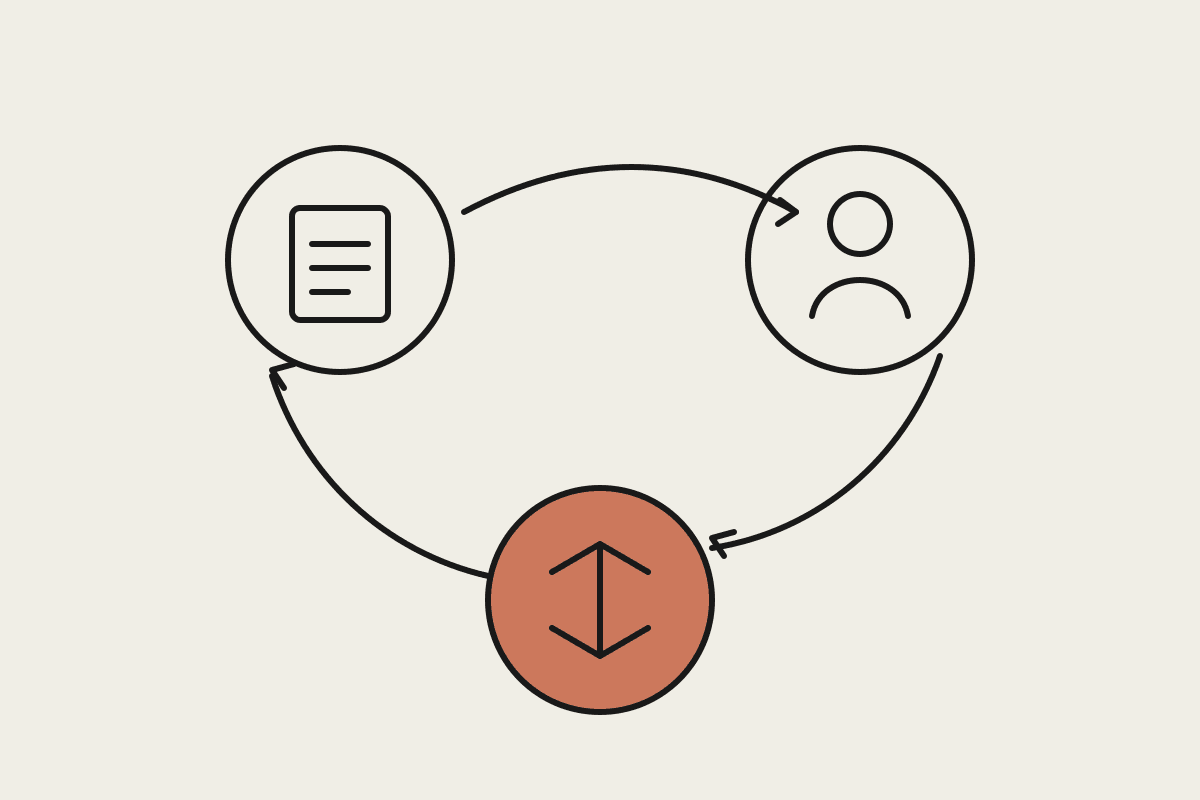
Each piece reinforces the others. The criteria in the job ad become the columns in the scorecard. The scorecard feeds the offer decision. Nothing is invented twice.
Why small teams overpay for this
Recruitment agencies typically charge 15% to 20% of a role's first-year salary. For an $80,000 position that is $12,000 to $16,000 for a single placement. Run three hires a year and you are looking at $36,000 to $48,000 in fees. For many Sydney small businesses that is a staff member's worth of budget spent on process rather than people.
The uncomfortable truth is that a large share of that fee pays for structure, not access. Agencies are good at writing tight ads, running consistent interviews, and moving quickly. Those are drafting and organisation problems, and they are where Claude is strongest. You still own the hard parts: deciding who fits your team and negotiating the final number.
Building the job ad with Claude
Start with a brief, not a blank page. Tell Claude the role title, the three outcomes you need in the first six months, the budget range, and the two or three skills that are genuinely non-negotiable. Claude turns that into an ad that reads like a person wrote it, sorts requirements into must-have and desirable, and flags where your wish list is unrealistic for the salary on offer.
A useful step is to ask Claude to critique your own draft first. It will point out vague phrases like team player that tell candidates nothing, spot criteria that could screen out good applicants for no reason, and suggest a more inclusive tone. You keep the voice of your business while removing the parts that quietly cost you good people.
The interview guide and scorecard
Consistency is where most small-business hiring falls down. Two managers interview the same candidate, ask completely different questions, then argue about a decision they measured differently. A shared guide fixes this without turning the conversation robotic.
Ask Claude to produce a guide that includes:
Four to six behavioural questions tied directly to the outcomes in the job ad.
A one-to-five rating scale with a plain description of what a weak, solid, and strong answer sounds like.
Follow-up prompts so a quiet candidate still gets a fair chance to show their thinking.
A short note on questions to avoid, so you stay on the right side of anti-discrimination law.
With the scale defined up front, interviewers score against the same anchor. When you compare candidates, you are comparing numbers that mean the same thing, not competing memories of who seemed impressive.
The offer letter and Australian compliance
An offer letter is where small businesses carry the most quiet risk. Get the award classification wrong, miss a pay rate, or leave out a required term, and you can create a liability that surfaces months later. Claude drafts an offer that references the National Employment Standards, prompts you for the correct modern award and classification level, and includes the terms a compliant letter should carry: position, pay, hours, probation, leave entitlements, and notice.
Claude is a strong drafter, not a substitute for advice on a genuinely tricky classification. For a standard role in a well-understood award, the draft it produces will usually be tighter than the templates most small businesses copy from an old contract. For an unusual arrangement, treat the draft as a well-organised starting point to run past an employment adviser. The saving is real either way: a task that used to cost a recruiter fee or a lawyer's hourly rate becomes a review rather than a build.
Where a human still matters
None of this removes you from the decision. Claude cannot tell whether a candidate will lift the mood of a small office or grate against it. It cannot read the pause before an honest answer, or weigh a career risk worth taking on someone with less experience but more drive. Hiring is still a human call, and it should be.
What changes is where your hours go. Instead of spending a day formatting a job ad and a scorecard, you spend that day talking to people. The packet is built, consistent, and compliant before the first interview. For a business that hires a few times a year, that shift is the difference between hiring being a dreaded scramble and a repeatable routine.
If you want help setting up a hiring packet workflow your team can reuse, book a brainstorm session and we will map it to how your business actually hires.