Ask a non-technical manager what they disliked about Claude Opus 5 and you often hear the same complaint: the answers were long. Useful, but long, with the point buried in the third paragraph and a fair amount of jargon on the way. Claude Opus 5.5, released by Anthropic on 23 September 2026, is the first Opus update where the writing style matters as much to a business as the benchmark table.
This post covers what changed, what Anthropic's published numbers say, and how an Australian business should decide whether to move workloads across. It is written for operations, finance and delivery leads who pay for Claude or manage teams that use it every day.
What changed in Claude Opus 5.5 compared with Opus 5?
Claude Opus 5.5 is Anthropic's newest Opus model, released on 23 September 2026. Anthropic says it runs roughly 40% cheaper and more than 30% faster than Opus 5, comes with higher five-hour usage limits on Pro, Max and Team plans, and scores higher on agentic coding, knowledge work and computer use. Early users also report that it writes more plainly and puts the key information first.
Those are four separate changes, and they matter to different people in a business:
Price: a lower cost per token for the same tier of model, which mostly matters to teams on the API or with heavy automated workloads.
Speed: shorter waits, which matters most for staff working interactively in chat and for agents that run many steps in a row.
Usage limits: more headroom on Pro, Max and Team plans, so fewer people hit the five-hour cap in the middle of a task.
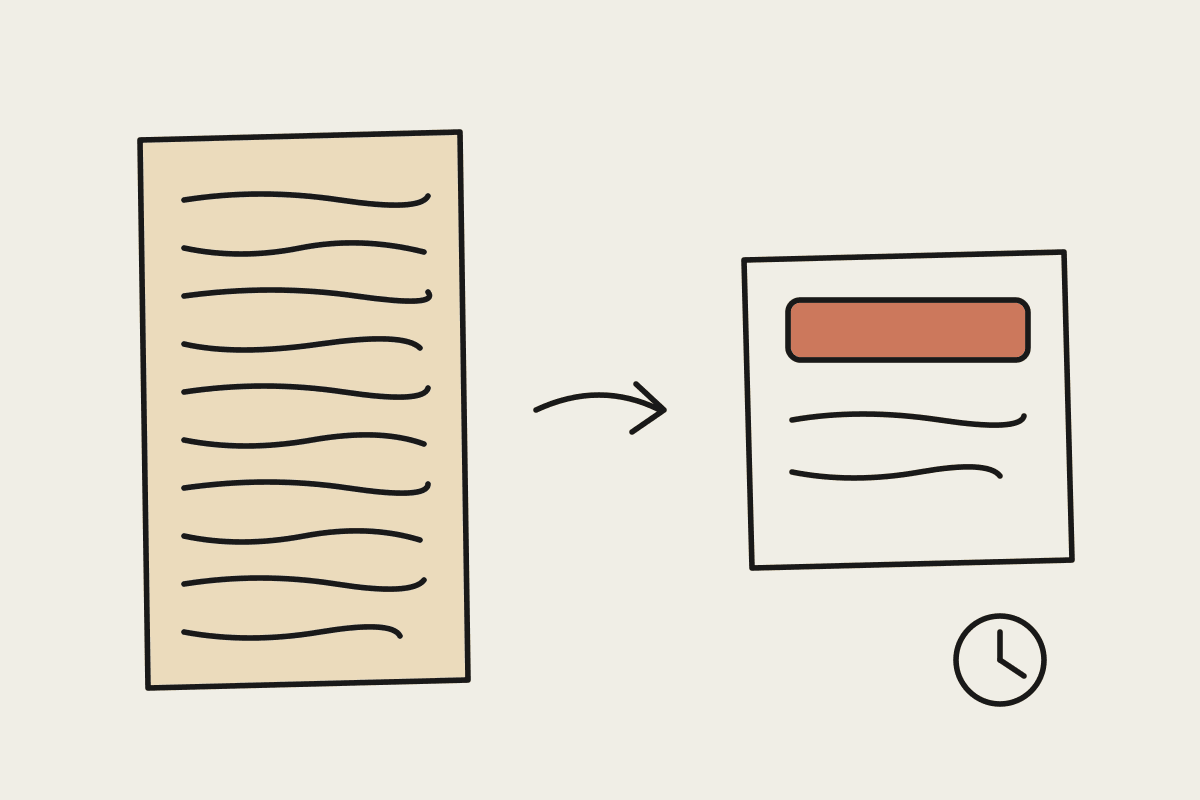
Writing style: clearer answers with less padding, which matters to everyone who reads Claude's output and never touches an API.
The numbers Anthropic published
All the figures below are Anthropic's own launch numbers, as at September 2026. They have not been independently reproduced yet, and vendor-run benchmarks deserve a second look before you rely on them. We made the same point about OpenAI's launch table in our piece on reading GPT-6 Sol's own benchmarks, and it applies equally here.
| Benchmark | What it tests | Opus 5.5 | Fable 5.1 |
|---|---|---|---|
| Terminal-Bench 4.0 | Agentic coding in a terminal | 66.4 | 55.8 |
| FrontierCode v1.1 | Hard coding tasks | 54.4 | 50.3 |
| CursorBench 4.0 | Coding inside an editor | 57.8 | 51.8 |
| Humanity's Last Exam (with tools) | Expert-level reasoning | 67.7 | Not stated |
| OSWorld 2.0 | Operating a computer | 81.8 | Not stated |
Anthropic also reports that Opus 5.5 leads on GDPval-AA, a knowledge-work benchmark, and beats OpenAI's GPT-6 Astra on most of the rows it compared. Astra still leads on AutomationBench and Terminal-Bench-Science, so the picture is not a clean sweep. For most Australian businesses the coding scores are less important than the knowledge-work and computer-use results, because that is where office staff will feel the difference.
Why the writing change matters more than it sounds
Most of the value Claude creates in a mid-market business comes from people who are not engineers: account managers drafting client updates, analysts summarising reports, HR teams writing policy, finance teams explaining variances. For them, a model that answers in two clear paragraphs instead of seven is a time saving every single time they use it.
Opus 5 tended to over-explain. Teams worked around it by adding style rules to their project instructions or to a CLAUDE.md file: keep it short, lead with the answer, no jargon. Users report that Opus 5.5 follows house style rules without those workarounds. If that holds up in your own testing, it means less prompt maintenance and more consistent output across a team.
There is a quieter benefit too. Long answers make review harder. When a reviewer has to read 600 words to check a 50-word conclusion, they skim, and skimming is how errors get through. Shorter, front-loaded answers make human review faster and more reliable, which matters for anything that ends up in front of a client or a regulator.
An illustrative cost example
The figures here are illustrative, not a quote. Say a Melbourne professional services firm spends $8,000 a month on Opus 5 through the API for document review and drafting agents. If Anthropic's roughly 40% price reduction carries through to the same workload, that bill falls to around $4,800 a month, a saving of about $38,400 a year before any change in volume.
In practice the saving will not be exactly 40%. The number of turns an agent takes and how often it hits the prompt cache move the bill as much as the token price does. Our breakdown of what one Claude Code task really costs on Opus 5.5 walks through that in detail, and our ROI calculator gives a quick estimate for your own workflows.
Who should move now, and who can wait
Move now
Teams already on Opus 5 for interactive work have little reason to wait. The model is cheaper, faster and reportedly easier to read, and staff on Team plans gain usage headroom. Start with the people who complained most about long answers and ask them in a fortnight whether it is better.
Test first
Anything automated deserves a short side-by-side test before switching. If you run agents, scheduled jobs or document pipelines on Opus 5 or Fable 5.1, run a sample of last month's real tasks through Opus 5.5 and compare accuracy, turn count and cost. A shorter writing style can also break downstream parsing that expected a particular structure, so check any process that reads Claude's output with code.
Hold
Regulated workloads with a documented model sign-off, such as those under APRA CPS 230 operational risk controls or Privacy Act impact assessments, should go through your normal change process. A better model is still a change, and your records should show who approved it and on what evidence.
Caveats worth keeping in mind
Benchmarks measure benchmark tasks. A 10-point jump on Terminal-Bench says little about whether Opus 5.5 will draft a better tender response for a Brisbane construction firm. The writing-quality improvement comes from community feedback, not a published metric, so treat it as a strong signal to test rather than a guarantee. And a faster, cheaper model does not fix a poorly chosen use case. If a workflow was not paying back on Opus 5, the cause is usually the process design, not the model. Our guide to choosing between Fable, Opus, Sonnet and Haiku covers when a smaller model is the better fit.
Getting the switch right
Most businesses will benefit from Opus 5.5 with almost no effort: change the default model, retire a few style workarounds, and watch the bill. The value is in doing it deliberately, with a short test on real work and a check on anything automated. If you would like help planning that, our Claude consulting services cover model migrations and rollout reviews, or you can book a short call with our Sydney team.