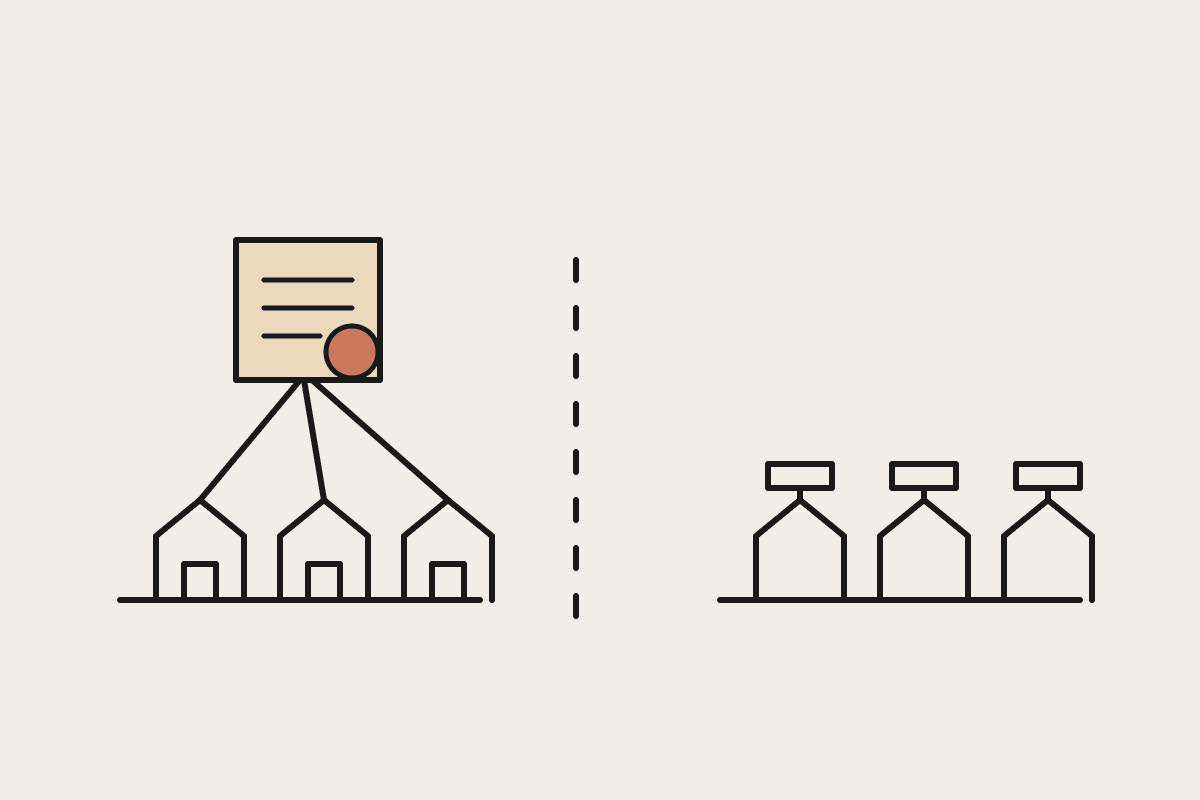
If you are building your own home or running a handful of small residential projects, the hard part is rarely the concrete. It is the paper. An owner-builder in New South Wales signs up for a role that a licensed builder normally carries: permits, insurance, council conditions, certifier inspections, trade invoices, variations, and a warranty trail that has to survive for years after handover. Miss one document and a bank valuation stalls, or a future sale gets held up while you hunt for a compliance certificate.
Claude will not pour a slab or sign off a frame. What it does well is keep the file straight: reading long documents, drafting the letters and requests that eat your evenings, and turning a shoebox of invoices into a budget you can actually read. This is a practical guide to using it as an admin partner for owner-builder work.
The paperwork an owner-builder actually carries
Before any tool helps, it is worth naming the load. A typical single-dwelling owner-builder project in Sydney generates a surprising stack of records, and each one has a different owner, format, and deadline.
The owner-builder permit itself, plus the white card and any owner-builder course certificate that sits behind it.
Development approval or a complying development certificate, with council conditions that must be met at set stages.
Home building compensation cover and the domestic building insurance questions that come with work over the state threshold.
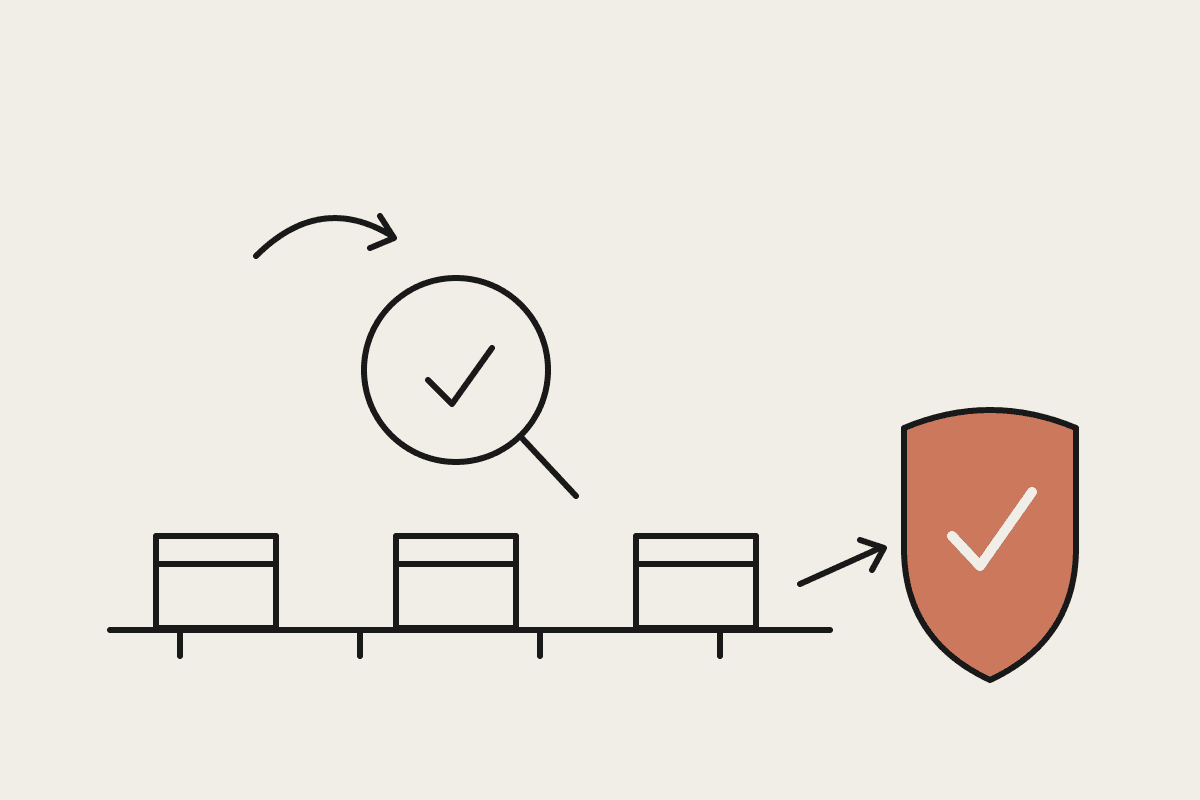
A principal certifier appointment and a schedule of mandatory inspections at footings, frame, waterproofing, and completion.
Trade quotes, contracts, tax invoices, and variation notes from every subcontractor on site.
Product warranties, waterproofing certificates, and electrical and plumbing compliance certificates for the final file.
None of this is complicated on its own. The trouble is volume and timing. In New South Wales an owner-builder permit is required once the value of the work is above $10,000, and the insurance and certifier obligations scale up sharply on larger jobs. On a $450,000 build, a single missed inspection can mean rework that costs more than the whole year of admin you were trying to avoid.
Where Claude earns its keep
The pattern that works is simple. You keep the source documents. Claude reads them, answers questions about them, and drafts the next piece of writing so you are editing rather than starting from a blank page. A few jobs come up on almost every project.
Summarising a long council consent into a plain checklist of conditions and the stage each one applies to.
Drafting emails to your certifier to book the next inspection, with the right notice period and site details filled in.
Comparing two trade quotes line by line so you can see where the difference actually sits.
Writing a variation record when a subbie changes scope, so the paper matches what happened on site.
Building a running list of which compliance certificates you still need before you can request occupation.
Keeping the inspection schedule honest
Inspections are where owner-builders most often come unstuck, because the sequence matters. You cannot cover a frame before it is checked, and you cannot waterproof until the frame passes. Give Claude your consent conditions and your rough build program, and ask it to lay out the inspection points in order with the trigger for each one. You end up with a short schedule you can pin above the desk, and a reminder of what has to be photographed before the next trade starts.
Turning trade invoices into a running budget
Most owner-builders track money in their head until it is too late. Paste or upload your invoices and ask Claude to build a table by trade, with amounts, dates, and what is still outstanding. On a project with a $120,000 fit-out budget, seeing that plumbing has already run to $38,500 against a $32,000 quote is the difference between a calm phone call now and a nasty surprise at the end. Claude can also flag where a GST amount looks wrong or where an invoice has no ABN, which are the sort of small errors that cause problems at tax time.
What Claude will not do, and why that matters
Being clear about the edges keeps you out of trouble. Claude is an admin and drafting partner, not a licensed practitioner, and owner-builder work is regulated for good reason.
It does not give building certification or sign off structural work. Only your appointed certifier and licensed trades can do that.
It does not replace legal advice on your owner-builder obligations. For permit rules, check NSW Fair Trading or the equivalent body in your state, such as the Victorian Building Authority or the QBCC in Queensland.
It does not know your council's local rules unless you give it the actual consent document to read.
It should not be the only record of a compliance decision. Keep the signed certificates as the source of truth.
Treated this way, the risk is low and the upside is real. You are using Claude to read faster, write faster, and remember better, while the licensed people stay responsible for the licensed work.
A simple setup that pays for itself
You do not need a complicated system. A single folder of project documents, a habit of pasting each new invoice or letter into a Claude conversation, and a weekly ten-minute check where you ask what is outstanding will keep a self-build in order. For an owner-builder who values their weekend hours at even $60 an hour, cutting three hours of admin a week across a nine-month build is worth well over $7,000 in time you get back.
If you want a hand setting this up for your own project, or you run several small residential jobs and want a repeatable admin system across all of them, book a short brainstorm with us and we will map it to how you already work.