Compliance auditors at Australian firms face a familiar crunch. Timelines are tight, standards are demanding (APES 110, ASA 300, APRA CPS 510), and the workpaper documentation that regulators and peer reviewers expect must be both thorough and defensible. Across a typical Sydney-based mid-tier engagement, audit teams spend roughly $45,000 of billable hours per client on documentation that rarely changes the final audit opinion.
Claude can take on a significant portion of that workload, not by replacing professional judgement (the audit opinion, materiality assessments, and regulatory sign-offs remain firmly in human hands), but by handling the drafting steps that do not require a registered company auditor. The result is faster turnaround, more consistent documentation, and capacity freed for the work that actually requires expertise.
What Claude Skills Are
Claude Skills are reusable instruction sets configured once and deployed across an engagement team. Think of them as a task-specific layer that keeps your team's methodology, preferred language, and applicable standards consistent across every file, every reviewer, and every engagement. For audit teams operating inside APRA-regulated entities, the relevant standards (CPS 510, APS 310, APRA Prudential Practice Guides) can be embedded directly into the skill so Claude knows which framework applies before it writes a single line.
The Automata AI approach is to configure skills for specific, repeatable audit tasks and then validate them against real workpapers before deploying to a team. This is not a generic AI rollout. It is a scoped, standards-aware implementation designed to meet the AUASB expectations your practice already operates under.
Drafting Substantive Testing Scope
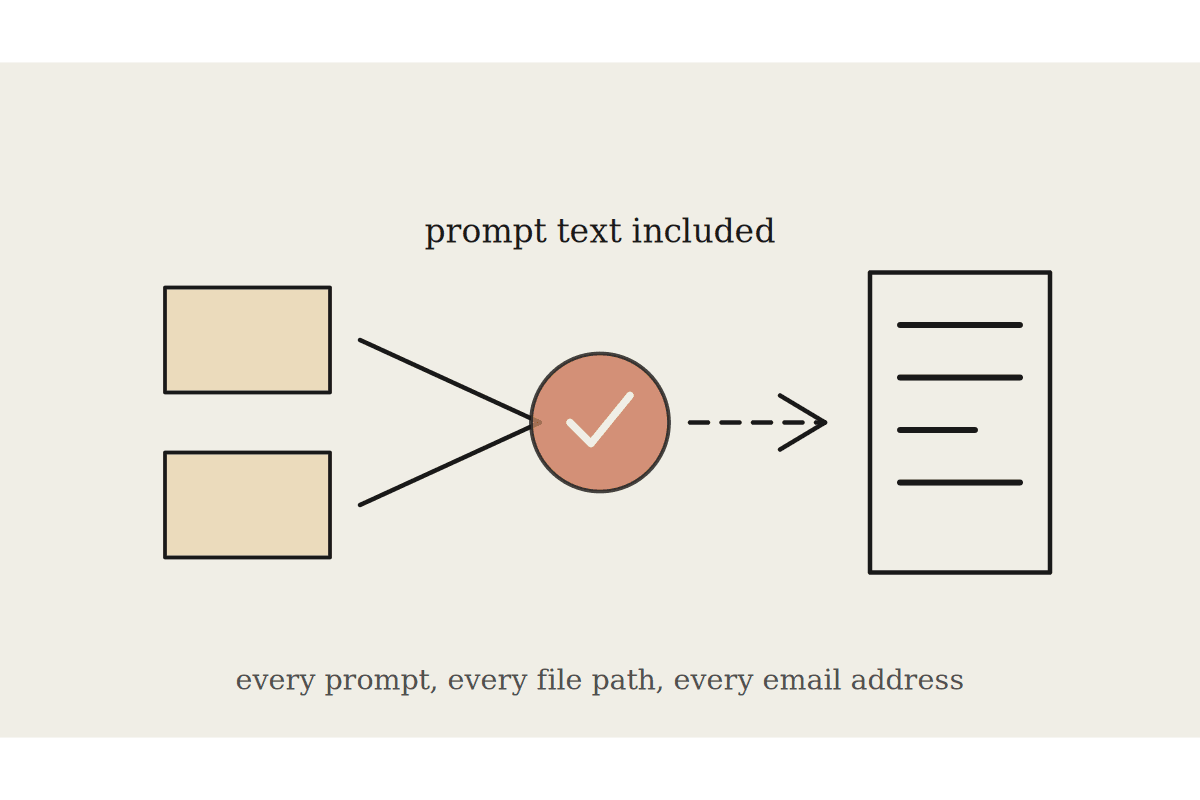
When an audit manager hands over the prior-year risk assessment and the current engagement letter, Claude can produce a first-cut substantive testing scope in under ten minutes. Given entity-level context such as APRA ADI status or ASIC reporting obligations, Claude maps relevant risk categories to the applicable AUASB standards and flags areas where additional procedures are required.
For a mid-tier firm running 30 audit files across a financial year, this recovers approximately $120,000 in capacity currently absorbed by copy-paste work between the risk register and the audit program. The scope draft goes to the manager for review and adjustment rather than to a junior to build from scratch.
Ingesting the prior-year file and current risk assessment to establish the audit baseline
Mapping assertions (existence, completeness, valuation, rights and obligations) to identified risks
Matching risks to ASA standards and applicable APRA prudential requirements
Producing a draft testing matrix with suggested sample sizes and source document types
Flagging items that require manager sign-off or specialist review before the program is finalised
Workpaper Drafting from Evidence
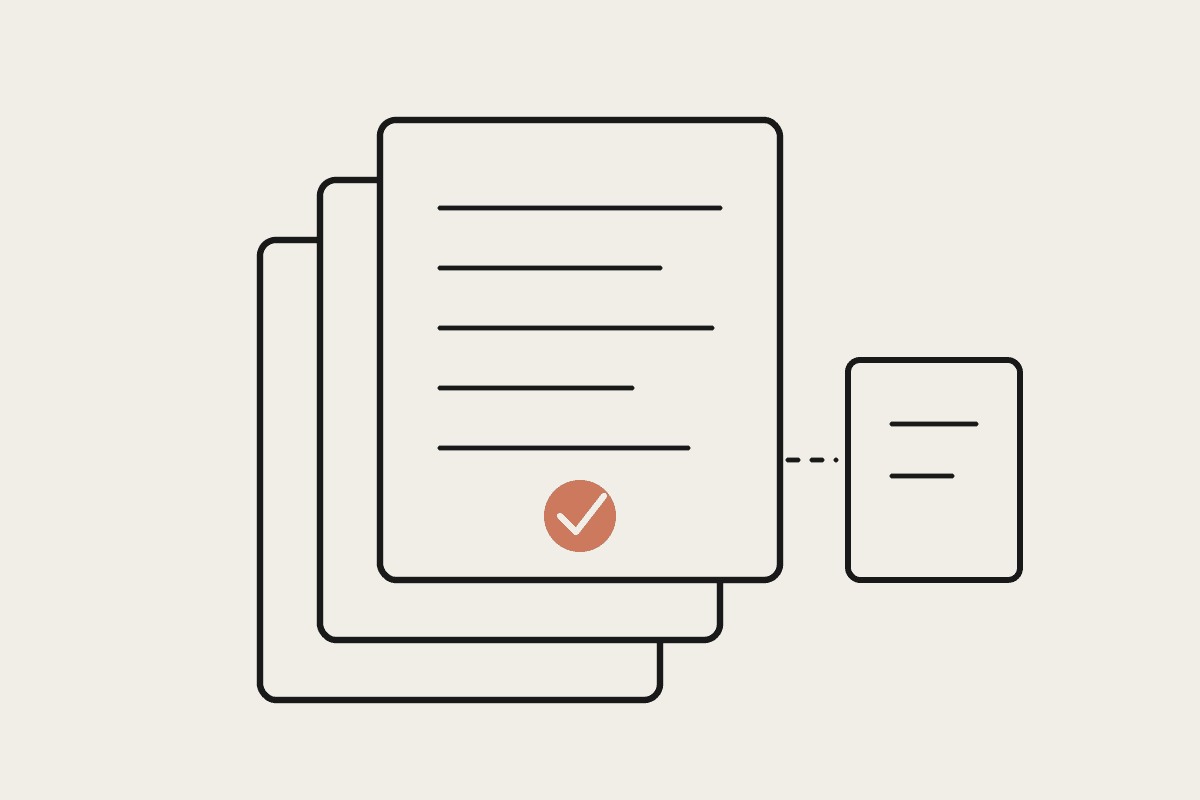
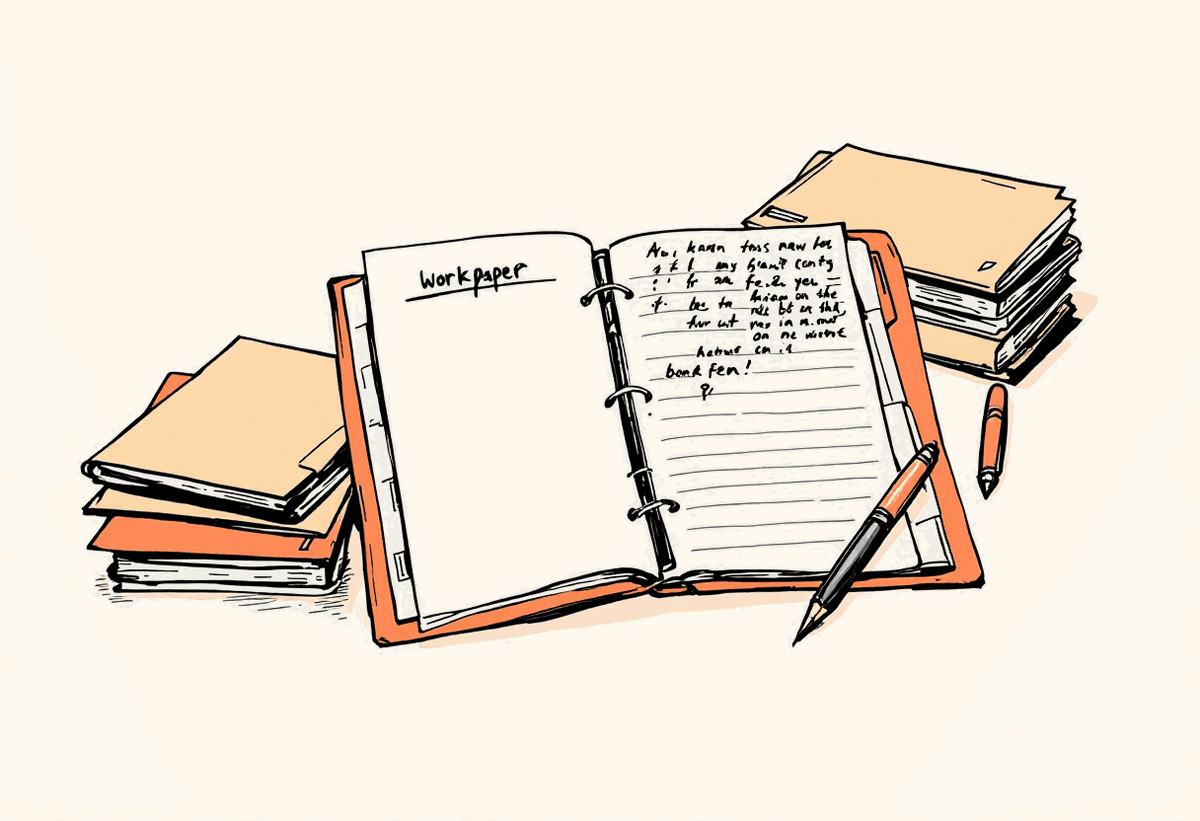
With source documents in hand — bank confirmations, sample invoices, board minutes, reconciliations — Claude can produce a structured workpaper narrative that references each document, notes exceptions, and maps to the relevant ASA standard. The auditor reviews and signs off on a near-finished document rather than starting from a blank template.
Under ASA 230 (Audit Documentation), workpapers must be sufficient for an experienced auditor with no prior connection to the engagement to understand the work performed, the evidence obtained, and the conclusions reached. Claude drafts to that standard. The auditor's role is to confirm the conclusion, not to construct the argument for it.
At a practical level, this matters most during peak periods: end-of-financial-year work in June and the October reporting surge. Teams that deploy Claude for workpaper drafting report turning around documentation within 24 hours of receiving source documents, compared to three to five days under a manual process.
Control Narrative Authoring and Exception Analysis
Control narratives are time-consuming to write and, when scope creep hits, the first thing to slip. Claude can convert a process walkthrough transcript or flowchart description into an ICFR-ready narrative aligned to APES 110 requirements, formatted to your practice's house style. A narrative that takes a senior associate two hours to draft takes Claude about four minutes.
Exception analysis is where Claude's drafting capacity is most valuable. When a transaction sample reveals outliers, Claude reviews the sample, drafts the initial exception commentary with references to the relevant test objective and assertion, and suggests whether the exception is isolated or indicative of a broader control failure. The auditor decides what the exception means. Claude handles the paperwork.
What Stays Human
The audit opinion. Professional judgement on risk and materiality. Client relationships and the difficult conversations that come with a qualified report. Regulatory sign-off and the personal liability that comes with registration as a company auditor under the Corporations Act 2001. Claude is a drafting tool, not a signatory.
This is not a limitation to work around. It is the correct design. APES 110 sets clear standards for professional competence and due care. Deploying Claude for mechanical drafting work while keeping auditors in the judgement seats is consistent with those standards. The practices that will face pressure are those that either avoid AI entirely and lose the efficiency advantage, or deploy it without a clear boundary between drafting assistance and professional responsibility.
If your team is spending more than 30% of engagement hours on documentation that does not require a registered auditor's judgement, there is headroom here. The right starting point is a scoped conversation about which workflows are the highest-value candidates for a Claude Skills deployment.
Talk to the team at Automata AI about a Claude Skills build for your audit practice. Book a session to map out where Claude fits in your engagement workflow.