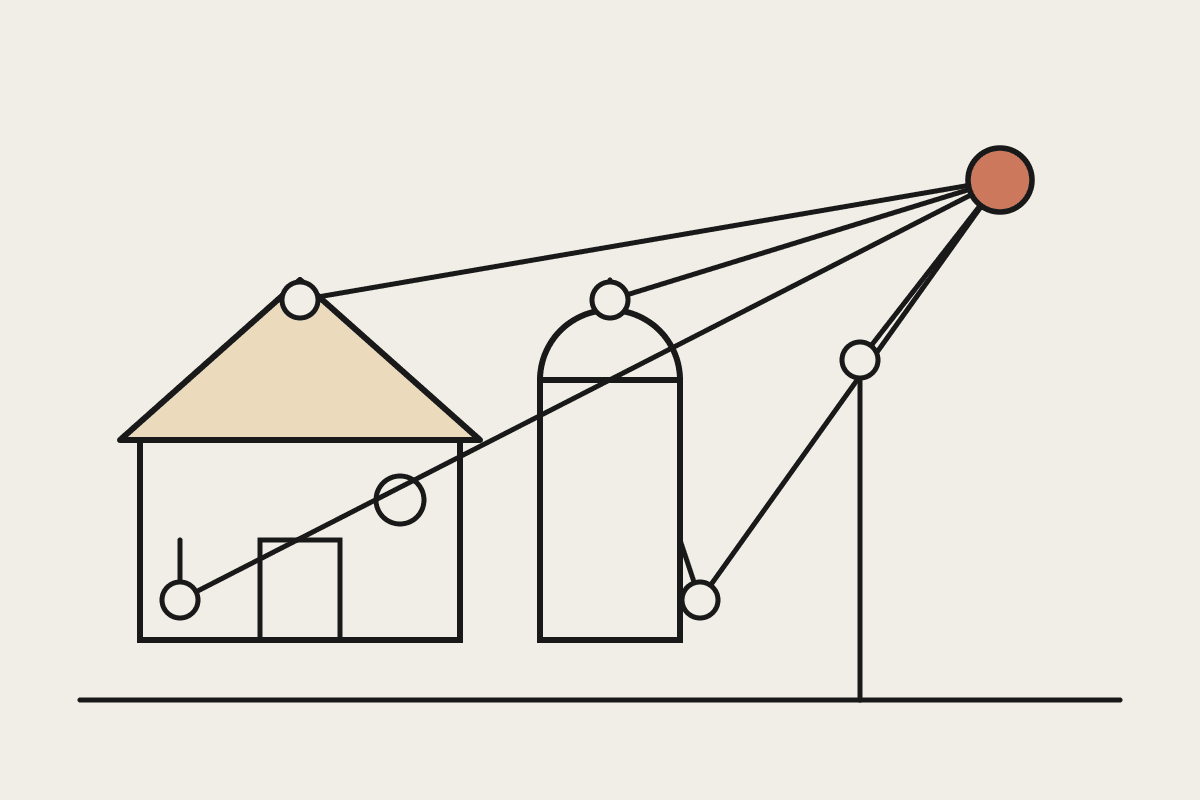
A Michigan dairy farmer named Paul Windemuller recently ran an experiment worth paying attention to, even if you've never set foot on a farm and never plan to. He built a small multi-agent system to pull together data from sensor collars on his cows, a local weather station, and an online portal that logs milk quality and shipments. Before that, his mornings started with hours of downloading files, merging spreadsheets, and calculating herd performance by hand, time that came straight out of actually looking after the animals. His fix wasn't expensive enterprise software. It was a handful of connected data sources and a daily brief that told him what mattered before his first coffee. For Australian small business owners, the lesson here isn't really about farming. It's about what that pattern says about your own business, and about which tools make it worth doing properly.
The problem every siloed business shares
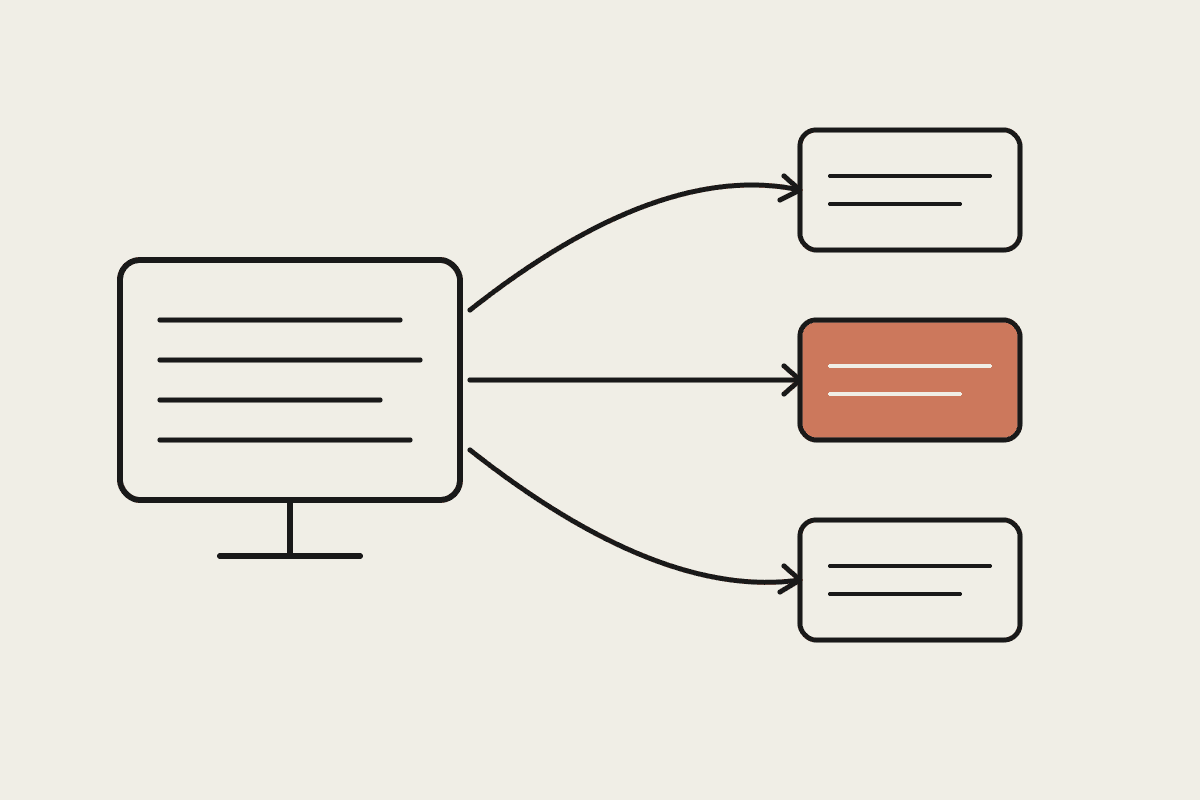
Windemuller's farm had three systems that never spoke to each other: sensor data, weather data, and a shipment and quality portal. Swap those out and you've got the exact shape of the problem we see across Australian small businesses every week. A Sydney plumbing outfit has job-scheduling software, a supplier pricing sheet, and an invoicing system that don't share a login, let alone a database. A Melbourne allied health clinic has a booking calendar, a compliance log, and a billing platform that all hold pieces of the same story about how the week actually went. A regional logistics operator has a fleet tracker, a fuel account, and a delivery manifest spreadsheet that someone reconciles by hand every Friday afternoon.
None of these businesses are running enterprise IT. None of them have a data team. What they have in common with a Michigan dairy farm is hours of manual reconciliation, done by someone who'd rather be doing the actual job in front of them.
The pattern matters more than the model
Strip away which AI product powers it, and this is a build pattern we work with Australian small businesses on regularly: several data sources that don't talk to each other, and a daily or weekly automated brief that pulls them together into one place a business owner can actually read. Dairy farming isn't a special case here, it's just an unusually vivid example. Trades, hospitality, allied health, and logistics businesses all run on exactly this kind of siloed, manually-reconciled data, and the fix looks much the same regardless of industry.
Identify the 2-4 systems that hold the pieces of the picture you actually need each day
Decide what the daily or weekly brief should actually surface, not everything, just the handful of numbers that change a decision
Build the connection once, so nobody's copying and pasting between tabs at 7am
Hand over something the owner can open, read, and act on without touching a line of code
Where Claude fits this pattern well
The Gemini case study is a genuine, well-documented example of this pattern working in practice, even though it's built on a competitor's product. We'd build the equivalent for an Australian business on Claude, because the pieces line up cleanly with the problem it describes, and because the business owner ends up with something they can see and adjust, not a black box someone else maintains.
The Gemini write-up is also a useful reminder that the value isn't in which lab built the model underneath. It's in whether the resulting workflow actually gets used every morning, or quietly abandoned after the novelty wears off. A daily brief that a business owner trusts and reads has to be reliable, has to surface the right two or three numbers, and has to run without anyone babysitting it. That's a build and maintenance question as much as an AI question, and it's where a lot of DIY automation projects quietly stall.
Claude Skills let you package a repeatable data-integration and reporting task, like a daily herd or job-site briefing, as a reusable capability, instead of re-prompting the same instructions from scratch every time.
MCP connectors are purpose-built for exactly the "pull from several disconnected systems" problem this case study describes, without custom API glue code for each individual source.
Cowork gives a non-technical business owner a way to run and adjust a workflow like this themselves day-to-day, without needing to touch code once it's built.
What we'd actually build
A comparable setup for an Australian small business, say, a trades operator juggling job-scheduling software, supplier pricing, and a separate invoicing system, is a scoped, fixed-fee build rather than an open-ended engineering project. We connect the systems that matter, agree what the daily brief needs to surface, and hand over something the owner opens once a day and actually trusts.
Builds like this typically run $3,500-$8,000 AUD, depending on how many systems need connecting and how much cleanup the underlying data needs. That's well within reach for a business that isn't running enterprise IT and doesn't have a developer on staff. It's also worth being upfront about scope: this isn't a promise to automate an entire operation. It's a defined, testable piece of work with a clear handover, the same discipline we'd apply to a client's books or their compliance log under the Privacy Act, nothing left ambiguous about who owns what once it's live and who's responsible for the data feeding into it.
A quick self-check
Before committing budget to a build like this, it's worth running a quick self-check on whether the problem is actually there, and how big it is. Most business owners already know the answer once they see it written down plainly.
Do you or someone on your team spend part of most mornings pulling numbers from more than one system before the real work starts
Do those systems already hold the data you need, just not in one place
Would a same-page brief change what you'd do that day, not just look tidy
Is the manual version being done reliably every day, or does it slip when things get busy
Could you describe in one sentence the two or three numbers that actually matter each morning
If most of those land as yes, you're already running the workflow by hand. The build just moves it off your plate and onto something that runs on its own, checked and adjusted by you through Cowork whenever the business changes shape.
The actual takeaway
The interesting part of this story isn't that a farmer used AI to run part of his operation. It's that the highest-value AI automation for a small operator is rarely flashy. It's hours of manual reconciliation quietly disappearing, one connected data source at a time. That's a Claude Skills and MCP problem we solve for Australian businesses today, not a frontier research project waiting on the next model release.
If your mornings start with stitching together numbers from two or three systems that should already be talking to each other, that's usually the clearest sign you've got a build like this sitting on your own desk, whether that's a farm in Michigan or a trades business in western Sydney.
Automata AI builds Claude-powered data integration and reporting automations for Australian SMBs. If your mornings start with the same kind of manual reconciliation, get in touch and we'll scope the build properly.