Google has added full-length, on-demand practice SAT tests to the Gemini app. Ask for a practice test and Gemini runs one grounded in vetted Princeton Review content, then gives immediate feedback on what you got right and where to study more. It's a US-specific consumer feature and most Australian businesses will never touch it directly. The pattern underneath it, though, is worth borrowing.
The pattern, not the product
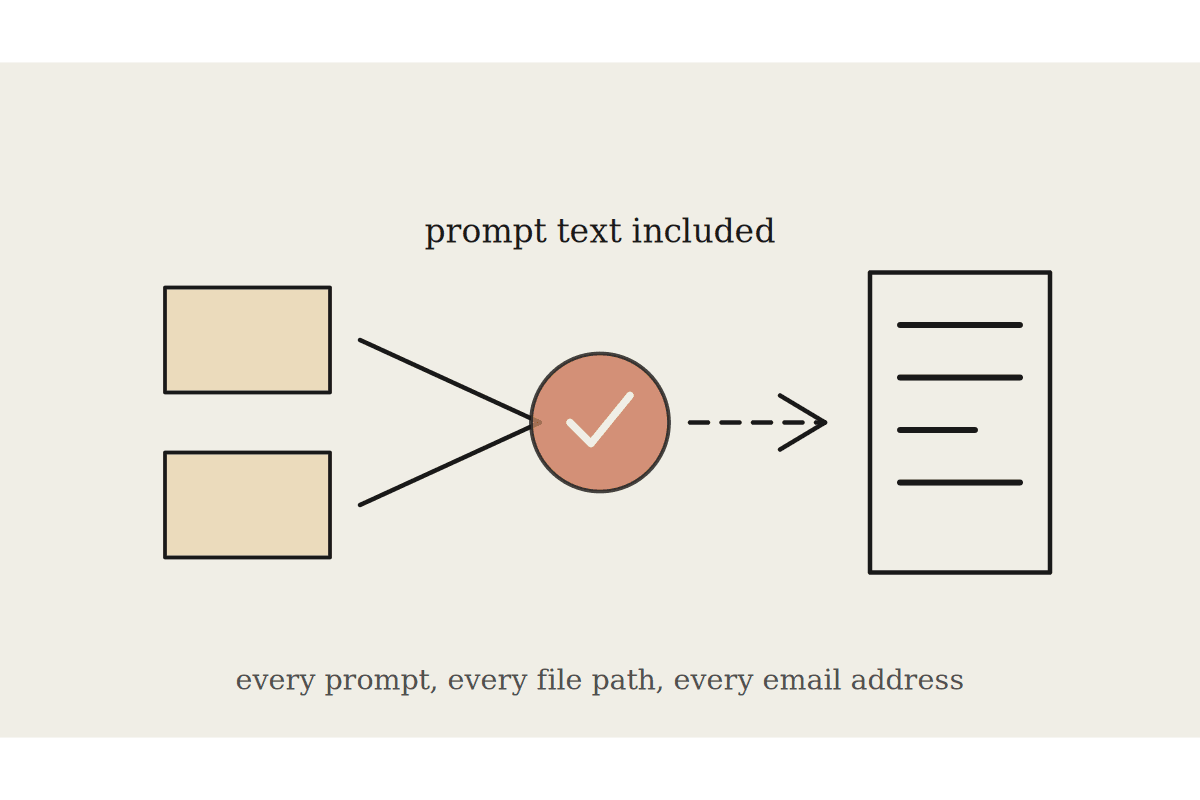
Strip away the SAT specifics and what Google actually shipped is this: a practice module grounded in vetted source material, with automatic grading and targeted feedback, that a person can run on demand without a human proctor scheduling it.
That is a genuinely useful shape for a lot of Australian business training problems that currently rely on a PDF nobody reads and a quiz nobody grades properly. Compliance refreshers, onboarding, product certification: the content usually exists somewhere. What's missing is a way for staff to practise against it and find out, immediately, where they got it wrong.
Where this fits with Claude Skills
Claude Skills let you build the same kind of grounded, repeatable practice module, pointed at your own content instead of a standardised test bank. A Skill is a packaged set of instructions and reference material that Claude loads when a particular kind of task comes up, which makes it a natural fit for training that has to stay consistent across everyone who takes it.
Three shapes come up most often in Australian businesses:
Compliance training grounded in your actual policy documents, running staff through scenario-based questions with immediate, source-linked feedback instead of a static annual quiz.
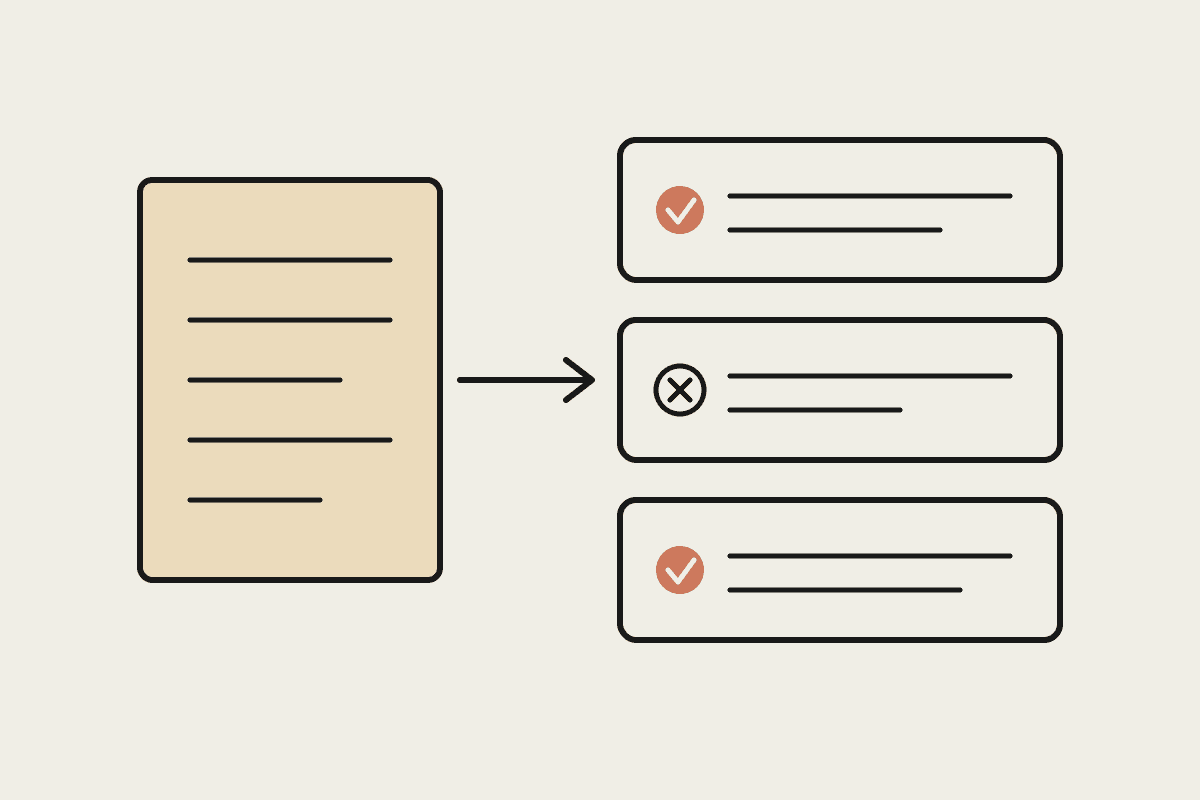
SOP onboarding, where new starters practise against your real procedures and Claude flags exactly where their answer diverged from the documented process.
Sales or product certification, with reps practising objection handling or product knowledge against your actual collateral, graded the same way every time rather than depending on whoever happens to be running the session that week.
The reason this matters more than it first sounds is that grounded, gradable practice is hard to build well by hand. Someone has to write the questions, keep them current as policy changes, and grade consistently across dozens of staff. Most businesses do the first part once, skip the second entirely, and never really solve the third.
Why a Skill stays current when a quiz bank doesn't
A Skill built against your source documents reads the live document rather than a snapshot someone wrote six months ago. When your privacy policy changes, or a Fair Work obligation shifts, or you rewrite a refund procedure, the practice questions reflect that on the next run. Nobody has to remember to go and update a question bank.
This matters most in the areas where being out of date is actually expensive. A Sydney business whose staff are being tested against a superseded version of its own complaints-handling process isn't just wasting training time, it's actively teaching the wrong thing and creating a record that says everyone was trained.
What it costs to build
A single grounded training Skill, whether that's compliance, onboarding, or product certification, is typically a A$2,500 to A$5,000 scoped build. The range depends mostly on how much source material needs structuring first and how many practice scenarios you want covered.
That sits well below the cost of a proper LMS rollout, and more importantly it doesn't carry the same ongoing maintenance tax. The usual hidden cost of a learning platform isn't the licence, it's the person who has to keep the content in it from going stale.
Where most businesses actually get stuck
Not on the technology. The common blocker is that source material is scattered: half the procedure lives in a shared drive, half in someone's head, and the authoritative version of the policy is whichever PDF was attached to the last all-staff email. Building a training Skill tends to surface that quickly, which is uncomfortable but useful.
A sensible first step is to pick the single training obligation that costs you the most time to run manually, find the one document that is genuinely authoritative for it, and build against that. One working module beats a plan to eventually cover everything.
Google built its version for a standardised test with a fixed answer key. Most Australian businesses have something better than a test bank: their own procedures, their own product, their own compliance requirements, already written down somewhere. The gap is rarely the content. It's turning that content into something staff can practise against and get real feedback from.
If there's a training obligation in your business that eats hours every quarter and still doesn't land, that's usually the right place to start. Book a session and we'll scope what a grounded practice Skill would look like against your own material.