OpenAI launched a Data agent inside ChatGPT Work on 10 September 2026: a feature that connects to company data sources including Redshift, BigQuery, Databricks, Snowflake, MongoDB, Google Drive and SharePoint, plus semantic-layer context from tools like dbt and BI dashboards, to answer plain-language business questions and build or refresh interactive dashboards. It can also trigger approved actions through Slack or email. Customers quoted in the launch, including NTT DATA, Thermo Fisher and ServiceTitan, describe non-engineers self-serving dashboards that previously needed a data team's involvement. For an AU mid-market business, the interesting question isn't whether this works, it's what it actually replaces and what it costs to get there.
What the Data Agent Actually Does
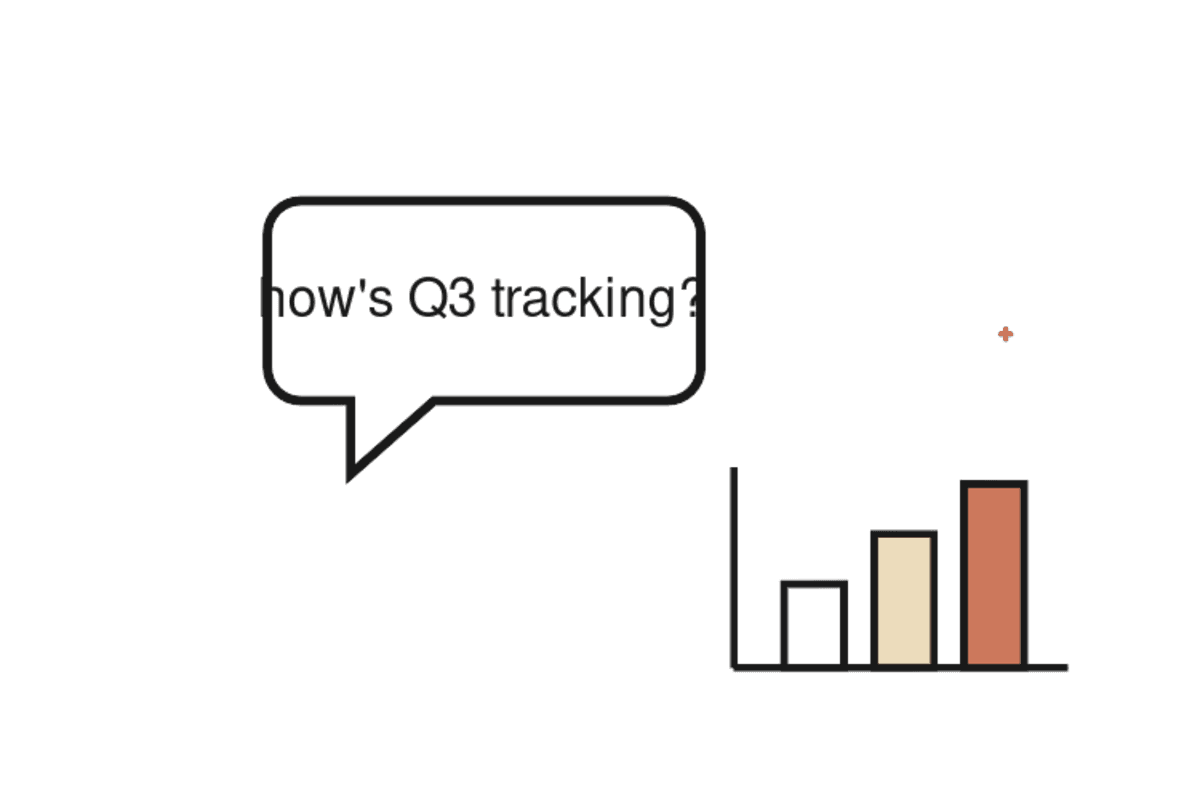
It sits between a business user and a company's data stack, translating a plain-language question, something like "how is Q3 revenue tracking against forecast", into the queries needed to answer it, then presenting or refreshing a dashboard. It embeds into existing BI tools such as Power BI, Tableau and ThoughtSpot rather than replacing them outright, and OpenAI says its own product and go-to-market teams built the feature from data-agent tooling they were already using internally, which is a reasonable signal the workflow has been genuinely dogfooded rather than launched cold.
What Would the Same Job Look Like Built on Claude?
Claude's equivalent isn't a single packaged feature, it's an assembly: MCP connectors into the same kind of data sources (Snowflake, BigQuery, Postgres and similar), Claude Code or Cowork handling the query-writing and dashboard-building work, and a business user asking questions in plain language the same way. The practical difference is that Claude's approach is closer to a build-your-own-workflow than a single toggle, which cuts both ways: more setup effort up front, but a result that's shaped around your specific data stack and internal terminology rather than a vendor's generic connector list.
ChatGPT's Data agent: faster to switch on if your stack matches OpenAI's supported connector list, packaged as a single Work feature.
A Claude-based equivalent: more setup work, built through MCP connectors and Cowork or Claude Code, but more adaptable to a non-standard stack or a workflow that needs custom logic.
Both approaches still need someone who understands the underlying data model to sanity-check what a non-technical user is being shown, since a fluent-sounding wrong answer is the actual risk in self-serve BI, not a slow one.
Framing the real cost comparison between the two approaches
| Cost factor | ChatGPT Data agent | Claude-based (MCP + Cowork/Claude Code) |
|---|---|---|
| Setup effort | Lower if your stack is a supported connector | Higher, but tailored to your actual stack |
| Ongoing flexibility | Bound to OpenAI's supported connectors and BI tools | Extensible via custom MCP connectors as needs grow |
| Governance fit | Approved actions via Slack/email triggers | Configurable within your own agent and access setup |
| Where the risk sits | A confident wrong answer from an unfamiliar connector | Same risk, mitigated by workflow you built and understand |
It's also worth noting who's quoted in OpenAI's launch: NTT DATA, Thermo Fisher, ServiceTitan, Zipline, Empower and several others, all sizeable organisations with existing data infrastructure and dedicated teams already managing it. That's a different starting point from most AU mid-market businesses, where the data stack is often smaller, messier, and maintained by whoever had time that quarter. A feature built and dogfooded inside a large, well-resourced product organisation doesn't automatically translate cleanly onto a business running a leaner, less standardised setup, which is exactly the kind of gap a proper evaluation should catch before you commit budget either way.
The ROI Question an AU Business Should Actually Ask
Don't start with "which tool is smarter." Start with what a data-team backlog is actually costing you today. If your analysts spend, say, $60,000 a year in salary time answering routine "what's our number on X" questions that could be self-served, the ROI case for either platform starts from that number, not from a feature comparison. The genuine question is whether a packaged connector list gets your specific business users self-serving faster than a tailored MCP-based build would, and whether the ongoing flexibility of a custom setup is worth the extra time it takes to stand one up. For a business already deep in the Microsoft or Google ecosystem with a fairly standard data stack, the packaged option might genuinely be the faster win. For a business with a non-standard stack, a lot of internal-only terminology, or plans to keep extending the workflow, the build-your-own approach tends to pay off past the first few months.
If you're an AU business trying to work out whether a self-serve data agent is worth building, and which approach actually fits your stack and your data governance requirements, that's the kind of ROI scoping we do before recommending either path. Have a look at our services, browse more of our blog on Claude versus the alternatives, or get in touch to talk through the actual numbers for your business.