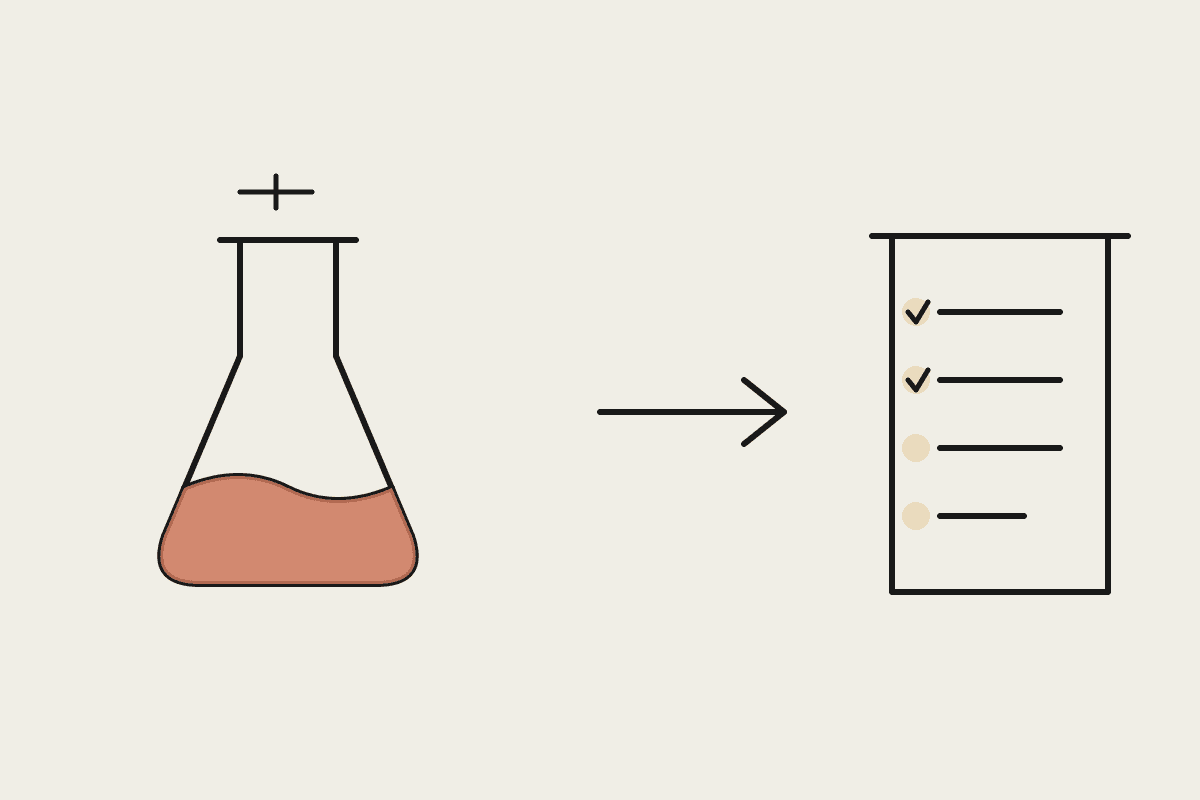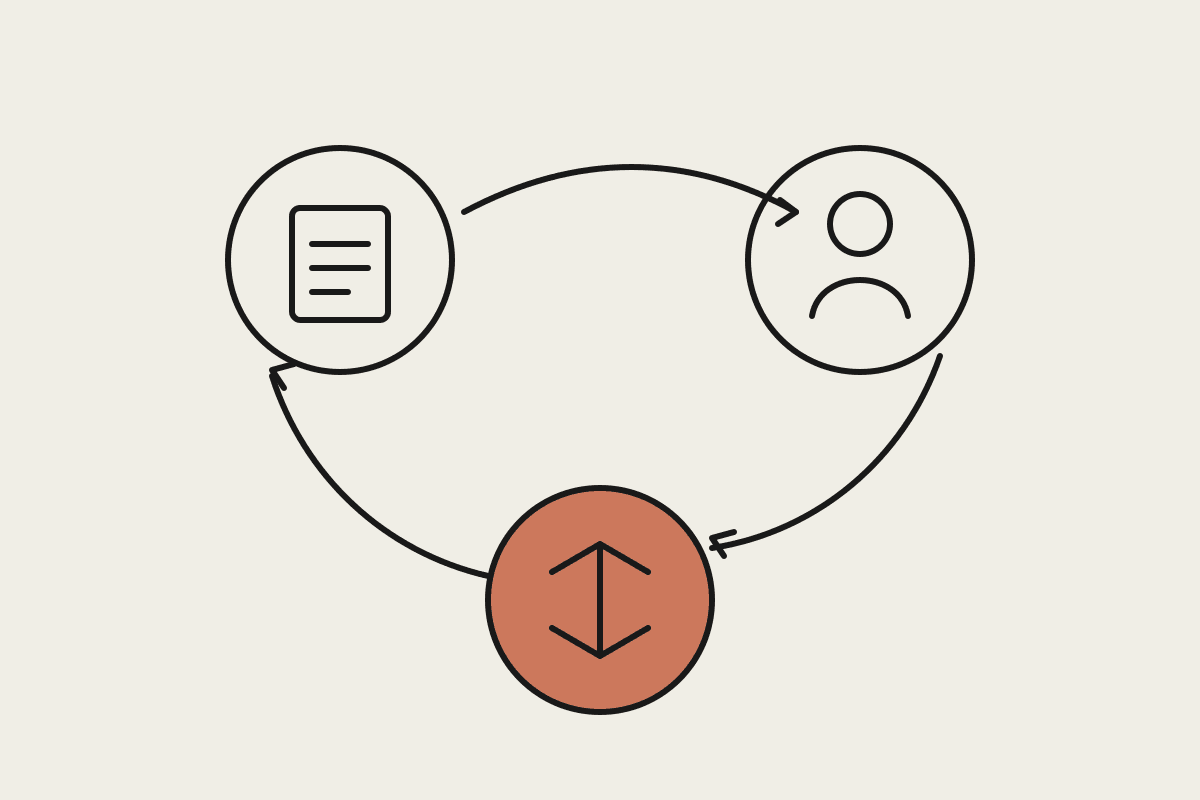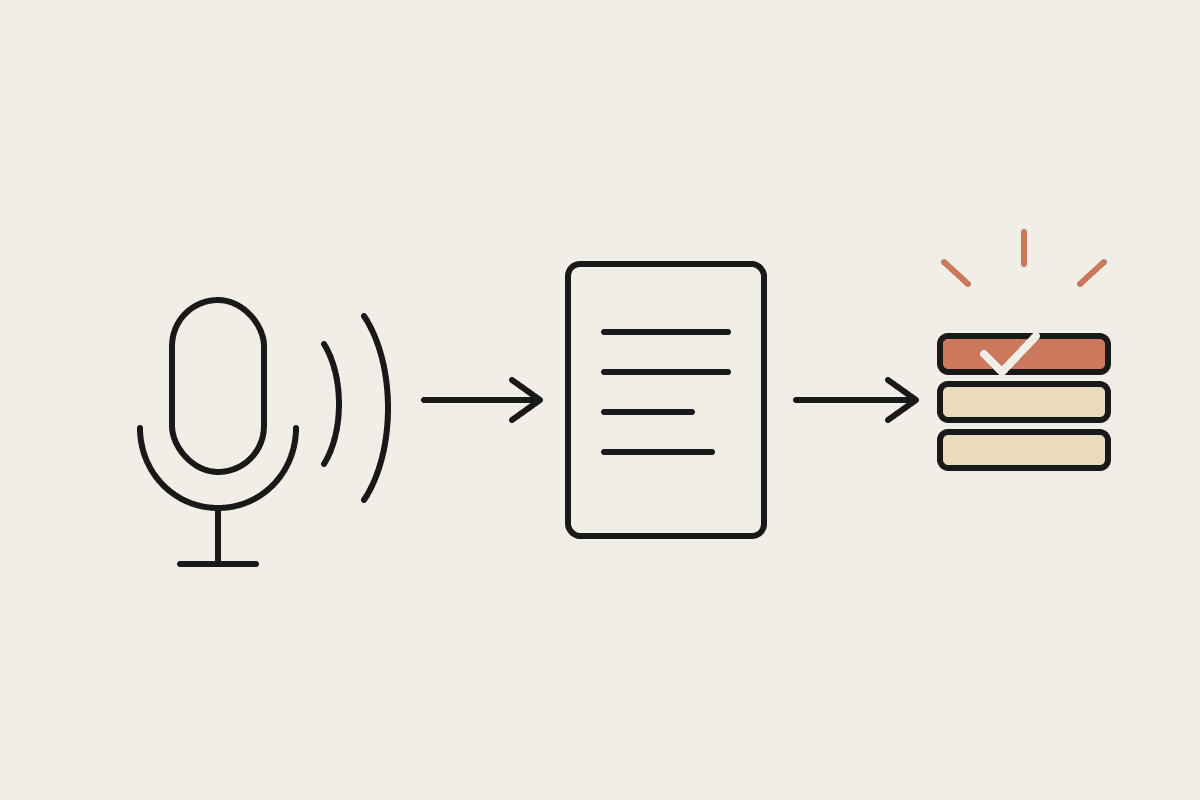
OpenAI published research this month describing how enterprises actually mature their AI use: most start at "assistance", chat-based drafting and copilots that speed up a person's existing work, and the real value shows up later at "execution", agents that complete multi-step work end to end without a person driving every step. It's a useful framework, and it happens to describe almost exactly where most AU mid-market businesses currently sit and where the gap actually is.
Where most AU businesses actually are
Talk to ten mid-market businesses using AI today and eight of them are at the assistance stage: someone drafts an email faster, summarises a document, brainstorms with a chatbot. That's real value, but it's bounded by how much time one person can spend prompting and checking output. The bigger, largely untapped value sits at execution, where an agent handles the whole task, chasing an overdue invoice from detection through to a sent reminder, updating a CRM record from a call transcript, reconciling a batch of transactions, without a person operating it step by step.
Why the architecture matters for which stage you can reach
Assistance-stage tools are built around a chat window: you ask, it answers, you copy the output somewhere yourself
Execution-stage tools need persistent memory across a task, access to your actual systems through proper connectors, and a way to complete multi-step work without constant supervision
Claude's agent, skills and MCP architecture is built specifically for that second category: Claude Code and Claude Cowork are designed to operate inside real business systems, not just answer questions about them
The jump from assistance to execution isn't a bigger prompt, it's a different kind of tool entirely
A concrete AU example
A Sydney wholesale distributor spent a year at the assistance stage, staff using AI chat to draft supplier emails and summarise reports faster, with real but modest time savings. Moving to execution meant a Cowork setup that reads incoming supplier invoices, matches them against purchase orders, and drafts the accounts payable entry automatically, only surfacing genuine mismatches for a person to check. The shift from assistance to execution on that one workflow alone reclaimed an estimated $38,000 a year in bookkeeping time that chat-based drafting alone never touched.
Why this matters more than the tool comparison
OpenAI's framing is useful precisely because it's not really about which chatbot is better, it's about recognising that most of the AI investment businesses have made so far has been at the shallower, lower-payoff stage. The maturity curve, whichever vendor describes it, is the same for every business: assistance is the easy first step, execution is where the return actually shows up.
What execution-stage work actually requires
Getting to execution isn't just buying a different product, it requires connectors into your real systems (CRM, accounting, job management), defined approval gates for anything consequential, and a scoped first workflow rather than trying to automate everything at once. Businesses that skip straight from assistance to a broad execution rollout without those foundations tend to stall.
Where the whole market is heading
When a competitor's own research validates the same maturity curve Automata has been building AU clients toward, that's worth taking as a signal, not a coincidence. The market is converging on the same conclusion: chat-based assistance was the entry point, agentic execution is where AI actually changes a business's cost structure.
Why the jump feels bigger than it is
Businesses often assume moving from assistance to execution requires a much larger technical project than it actually does. In practice it's usually one well-scoped workflow, proper connectors, and a defined approval gate, not a business-wide platform rebuild. The perceived size of the jump is often the biggest barrier, more than the actual implementation effort.
A quick audit you can run today
List every AI-touched task in your business and mark each one assistance or execution. Most owners find the split is more lopsided toward assistance than they expected, and that gap is usually where the next real return sits.
What this isn't
This isn't a claim that assistance-stage AI use is wasted, it's a genuine first step and often where trust gets built before execution-stage automation makes sense. It's also not a one-size timeline, some workflows are ready for execution-stage automation immediately, others need process cleanup first.
Getting started
Audit where your current AI use actually sits: assistance or execution, honestly
Pick one workflow with a clear, repeatable pattern as your first execution-stage pilot
Set approval gates for anything consequential before automating fully
Measure the time and cost difference, not just whether the tool feels more capable
If your business is stuck at the assistance stage and wants to know what execution actually looks like for your specific workflows, that's exactly the conversation we have with AU mid-market clients. Get in touch: https://www.automataai.com.au/contact