Meta's Llama models remain the most widely deployed open-weight family for businesses wanting to run AI on their own infrastructure, and the own-your-stack argument has only gotten louder through 2026 as businesses weigh AI spend against control and predictability. The genuine comparison isn't Claude versus Llama in the abstract, both are capable, it's whether self-hosting Llama actually delivers on the own-your-stack promise for a specific Australian business, versus using Claude as a managed API with the residency and governance controls that matter for most SMBs.
What self-hosting Llama actually requires
Running Llama yourself means provisioning GPU infrastructure (either on-premises or through an Australian cloud provider), managing model updates as Meta ships new Llama versions, handling your own security patching and monitoring, and building the surrounding tooling, prompt management, logging, fallback handling, that a managed API provides out of the box. None of this is impossible for a business with genuine technical capability, but it's a real ongoing operational commitment, not a one-off setup cost. The infrastructure alone for a production-capable Llama deployment typically runs several thousand dollars a month in GPU costs before accounting for the engineering time to run it properly.
Where self-hosting genuinely pays off
Very high, predictable token volume, where the fixed infrastructure cost undercuts a metered API bill at scale.
Specific data-sovereignty requirements where a business needs the model running entirely inside infrastructure it directly controls, beyond what a managed API's residency guarantees cover.
A genuine in-house ML engineering capability already in place, making the ongoing operational burden a marginal addition rather than a new specialised hire.
Why most Australian SMBs are better served by Claude as a managed API
For the large majority of Australian small-to-mid businesses, the actual token volume doesn't come close to the break-even point where self-hosting's fixed costs beat a metered API, and the business doesn't have (and doesn't want to build) an in-house ML infrastructure team just to keep a self-hosted model patched and running. Claude via API or through AWS Bedrock's Sydney region gives most of what the own-your-stack argument is actually chasing, predictable behaviour, data residency options, and governance control, without the ongoing infrastructure burden. The 'own your stack' framing is genuinely compelling as a business argument, but it's worth being honest about what it costs to actually deliver in practice versus what a well-configured managed API already provides.
The honest decision framework
Work out your actual monthly token volume and compare it against current self-hosted GPU pricing before assuming self-hosting is cheaper, the crossover point is higher than most businesses expect, often well above $10,000 a month in equivalent API spend before self-hosting starts to make clear financial sense once engineering time is properly costed in. Below that point, the operational overhead of self-hosting Llama usually costs more in engineering time than it saves in infrastructure spend.
A worked example: when the maths actually favoured self-hosting
A Sydney-based ad-tech business processing a genuinely high volume of automated content classification, well into the millions of API calls a month, ran the numbers on both paths in early 2026. At their volume, a self-hosted Llama deployment on dedicated GPU infrastructure came in meaningfully cheaper than the equivalent Claude API spend once the engineering team factored in their existing in-house ML capability (they already employed infrastructure engineers for other systems, so the incremental cost of adding model-hosting to their responsibilities was genuinely marginal, not a new hire). That's a real example of the self-hosting case working, but it's worth noting how specific the conditions were: extremely high volume, existing engineering capability, and a workload tolerant of open-weight model quality rather than needing frontier-level reasoning.
Most Australian SMBs simply don't share those conditions. A business processing thousands rather than millions of requests a month, without an existing infrastructure team, is very unlikely to hit a genuine break-even point in favour of self-hosting, no matter how appealing the own-your-stack narrative sounds in the abstract.
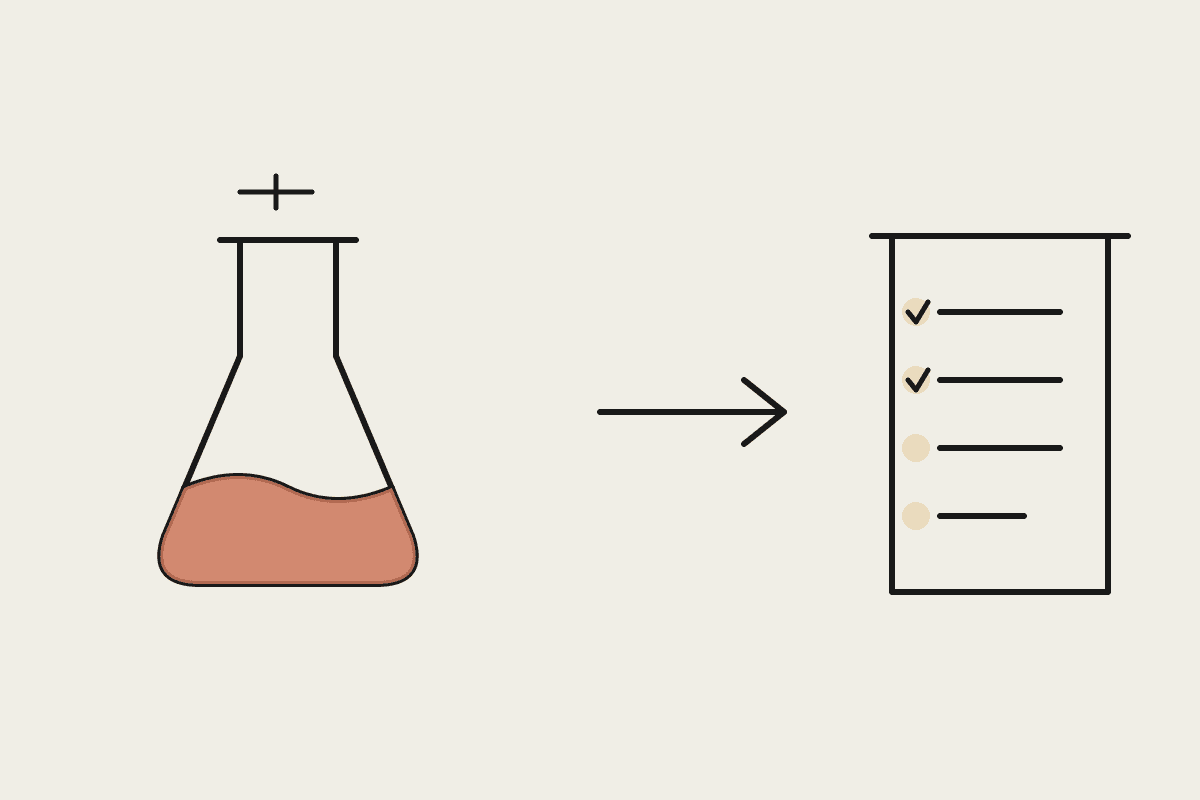
Run the actual numbers for your business before committing either way, a rough monthly token estimate against current GPU and API pricing takes an afternoon and settles the argument far better than a general philosophy about ownership.
And if the honest answer is that self-hosting doesn't clear the bar yet, that's a genuinely useful outcome too, it means the engineering time that would have gone into standing up and maintaining infrastructure can go toward the product instead.
If you're weighing up self-hosting versus a managed Claude setup for your specific volume and compliance requirements, get in touch through our contact page for an honest, numbers-based read rather than a generic pitch either way.