UiPath built a genuine business on a simple premise: if you can record a human clicking through a screen, you can replace that human with a bot that clicks the same way, forever, without complaint. That premise still holds for a specific class of work. But a growing number of Australian operations teams are asking a different question this year: what happens when the screen changes, the exception doesn't match any recorded path, and the process itself needs judgement rather than repetition? That's the gap where Claude, run as an agent rather than a scripted bot, is starting to take over accounts that used to be UiPath's to lose.
This isn't a knock on UiPath as a platform. It remains one of the most mature RPA tools on the market, with real strengths in process mining and orchestration. The more useful question isn't which vendor is better in the abstract, it's which automation model actually matches the shape of your process: rule-bound and stable, or judgement-heavy and full of edge cases.
Where UiPath Still Earns Its Licence Fee
Traditional RPA is still the right call for a narrow but real set of jobs. If a process is high-volume, rule-bound, and the underlying screens rarely change, a recorded bot is cheap to run and predictable to audit. Think end-of-day reconciliation between two systems that never get updated, or moving a fixed set of fields from an ERP export into a finance system every night at 2am.
High-volume, low-variance data entry between two stable systems, such as nightly ERP-to-finance transfers
Environments with strict change control, where a bot's behaviour must be provably identical on every run
Regulated audit trails that specifically require a deterministic, replayable script rather than a model's judgement call
Legacy desktop applications with no API, where screen-scraping is genuinely the only integration option
Where the Rules Break Down
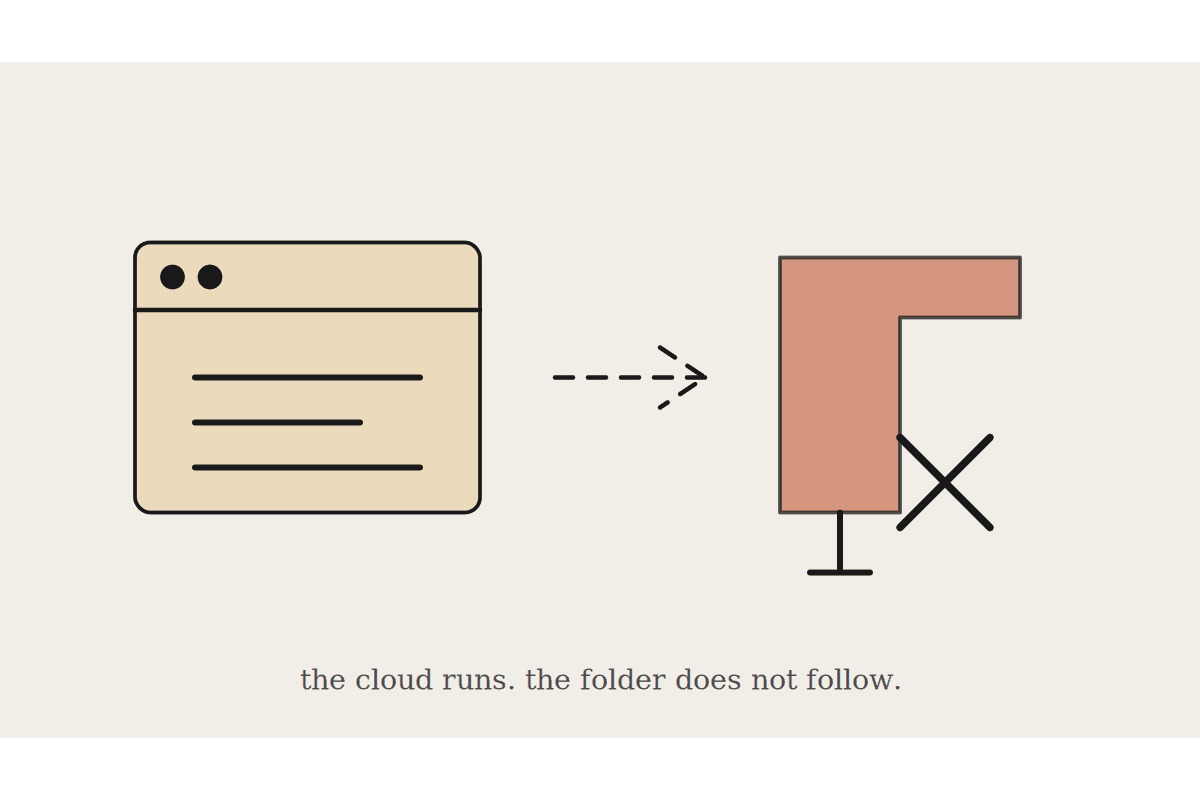
The trouble starts the moment a process has more than one path through it. A UiPath bot recorded against a supplier portal breaks the day that portal changes its layout, and someone has to re-record the whole sequence. A workflow built around a single rule, such as treating any invoice under $1,000 one way, has no good answer for the invoice that's $999.50 but flagged as a duplicate, sitting in a currency the finance system doesn't recognise, from a supplier whose ABN doesn't match the one on file. A person handles that in about ninety seconds by reading the situation. A rules engine either halts and escalates, or processes it wrong with total confidence.
This is the pattern showing up across the Australian mid-market: teams that automated the easy 80 percent of a process years ago are stuck babysitting the exception-heavy 20 percent that never fit a recorded script. That 20 percent is usually where the real cost sits, in escalations, manual review queues, and the one person on the team who quietly knows all the workarounds.
What an Agent-Based Alternative Actually Looks Like in Practice
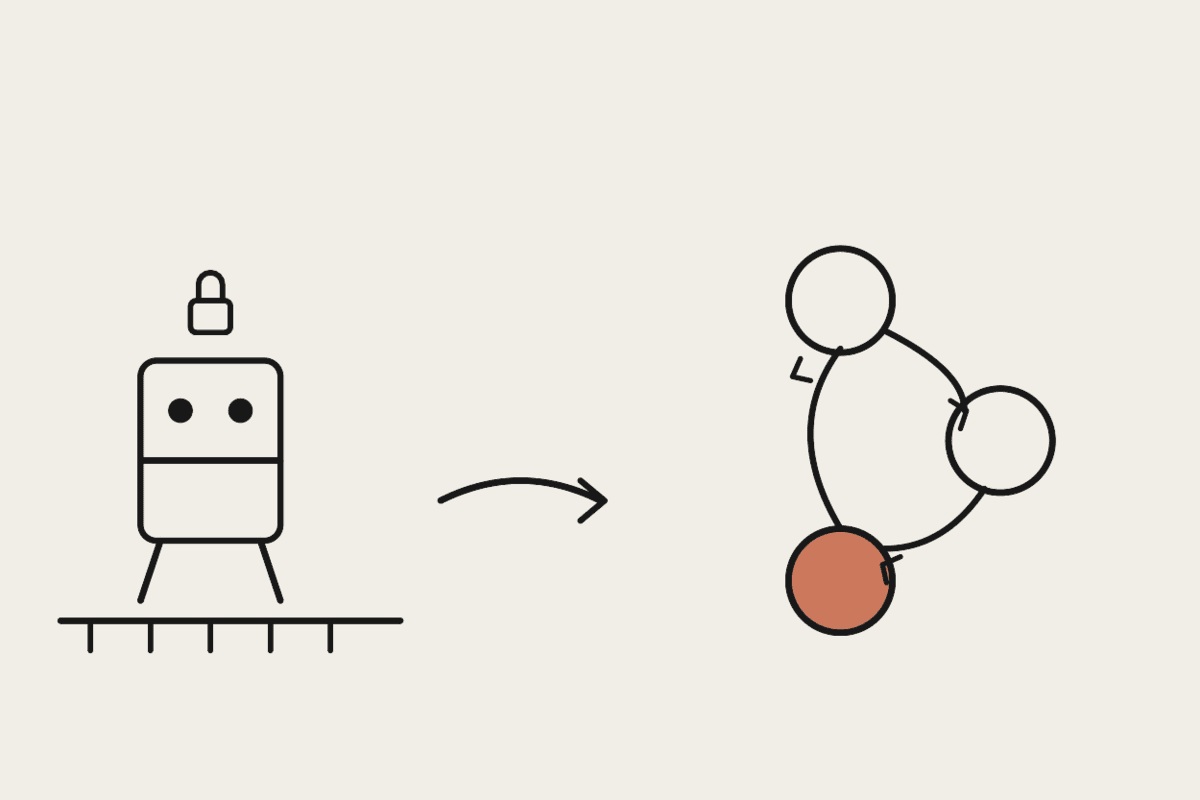
Claude, connected to the same systems through documented APIs and Model Context Protocol tools rather than screen recordings, handles the exception differently because it isn't following a recorded path at all. It reads the invoice, checks the ABN against the supplier register, notices the duplicate flag, and either resolves it against documented policy or drafts a clear note for a person to approve. Nothing is scripted step by step in advance. The agent is given the goal, the tools, and the guardrails, and it works out the path each time.
Connects to source systems through documented APIs or MCP servers, so a supplier portal redesign doesn't break the integration
Reasons over unstructured inputs, PDFs, emails, and scanned forms, rather than requiring a fixed screen layout
Explains its decisions in plain language, which matters for internal audit and for APRA-regulated entities that need a reviewable rationale rather than a pass or fail log
Can be given explicit thresholds, so judgement calls above a set dollar value or risk level always route to a person
The Real Cost Comparison
The licensing maths rarely favours sticking with RPA once you count total cost of ownership. An unattended UiPath bot licence typically runs $15,000 to $25,000 a year per bot, before the consulting hours to build and then rebuild the recorded workflow every time a vendor changes their portal. A Sydney business running six or seven bots across finance and operations can be paying $120,000 a year in licensing alone, on top of the internal or contracted RPA developer time needed to keep the scripts working.
A Claude-based agent setup replaces the per-bot licence with usage-based API costs plus a one-off build, typically a fraction of that figure for a comparable scope, and it doesn't need re-recording when a portal changes its layout. The trade-off is that it needs more thought up front: clear policies, defined escalation rules, and test cases for the edge cases you actually care about, because the agent is reasoning rather than replaying. Businesses that skip that groundwork end up with an agent that's technically capable but poorly governed, which is its own risk.
The honest answer for most Australian businesses running RPA today isn't to rip it all out. It's auditing which bots are genuinely stable, rule-bound processes worth keeping as-is, and which ones are quietly consuming hours in exception handling that an agent would resolve on the first pass. If you want a second opinion on where that line sits for your stack, book a session with Automata AI and we'll walk through your current bot estate together.