Australian software vendors have spent the past two years bolting AI features onto their existing products. Your practice management system now drafts client emails. Your rostering tool now predicts no-shows. Your CRM now writes follow-up messages. Each of these is a vertical AI SaaS tool: software built for one job, with a language model wired into a handful of screens. The question we hear most from Sydney and Melbourne business owners this year isn't whether to use AI. It's whether to keep buying these narrow tools one at a time, or run a single Claude-based agent that works across the systems they already own.
What you actually get when you buy the AI feature
Vertical SaaS with AI bolted on is easy to buy and fast to start. A vendor has already mapped your industry's workflow, so the AI feature knows what a rostering conflict looks like or what fields belong on a client intake form. You get a working result in an afternoon, not a project.
The trade-off shows up a few months in, once you've bought a second and third tool for adjacent jobs:
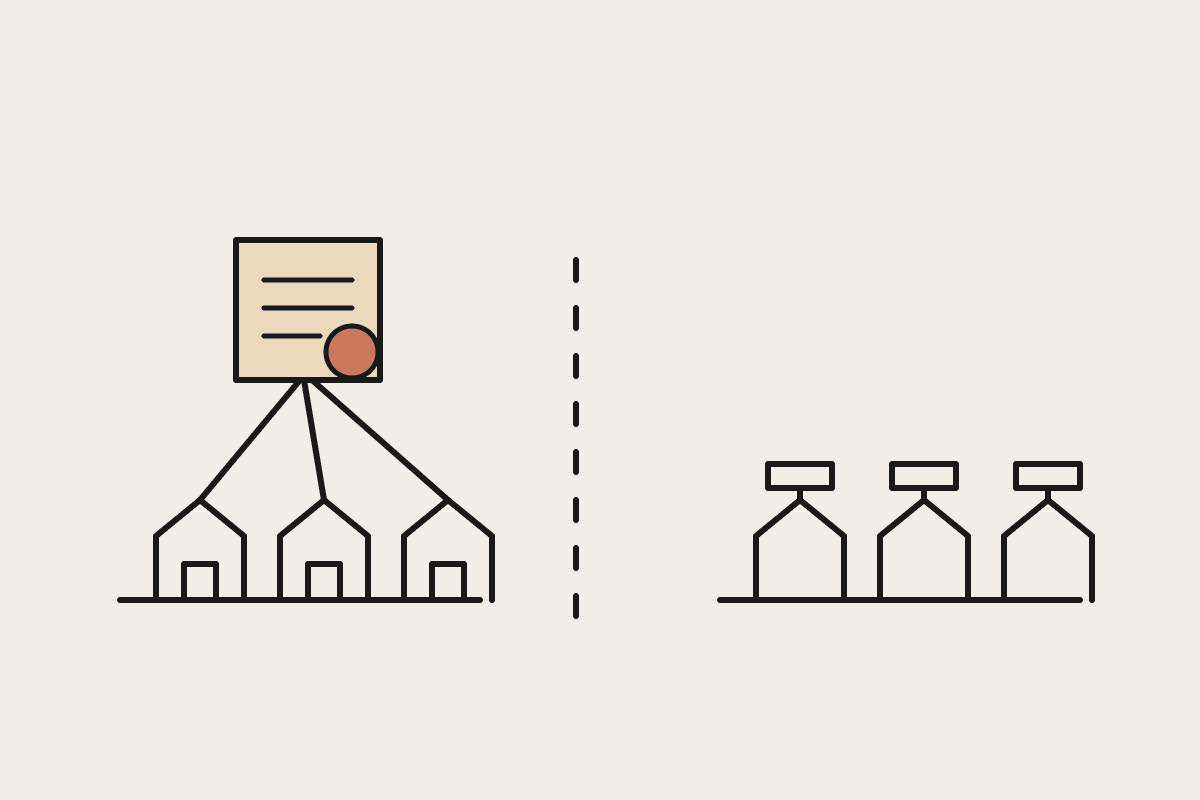
Each tool only sees its own data. Your CRM's AI doesn't know what happened in the support ticketing system an hour earlier.
You're paying per seat, per tool, and the bill compounds as headcount grows.
The AI behaviour is whatever the vendor shipped this quarter. You can't change the prompt, the model, or the guardrails.
Moving data between tools still falls to a person copying and pasting, or an integration you have to pay someone to build.
What changes when Claude runs across your stack
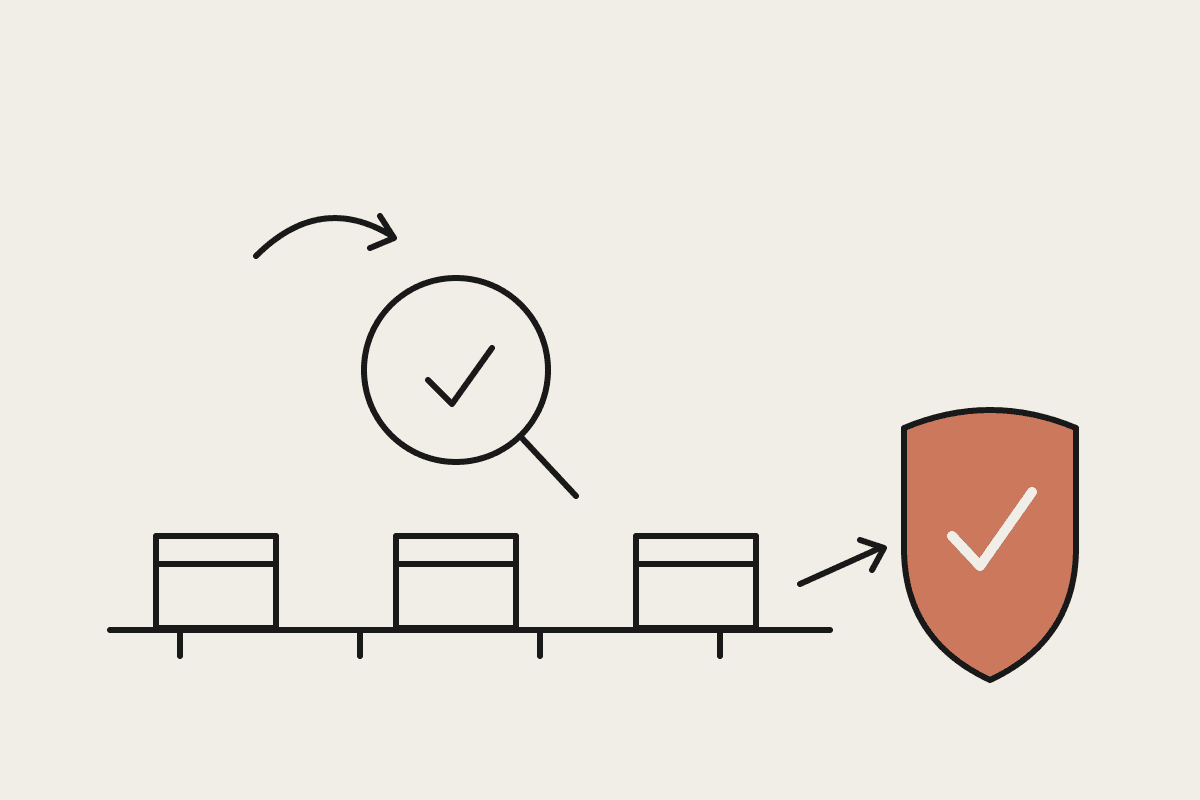
Instead of renting a fixed feature inside one product, you connect Claude to the systems you already run, your inbox, calendar, accounting package, CRM, and give it the specific tasks your business actually repeats. The agent isn't limited to one screen. It can read an invoice out of your accounting software, check it against a contract stored in your file drive, and draft a follow-up email, in one pass, because it has access to all three.
This matters most for businesses whose real bottleneck sits between systems rather than inside one of them. A Brisbane logistics operator we spoke with wasn't slowed down by any single application. The delay was always the handoff: someone manually re-keying a delivery exception from the freight portal into the customer-facing tracker. That's not a job a vertical AI feature inside either tool can fix on its own, because neither tool can see the other.
The real cost comparison
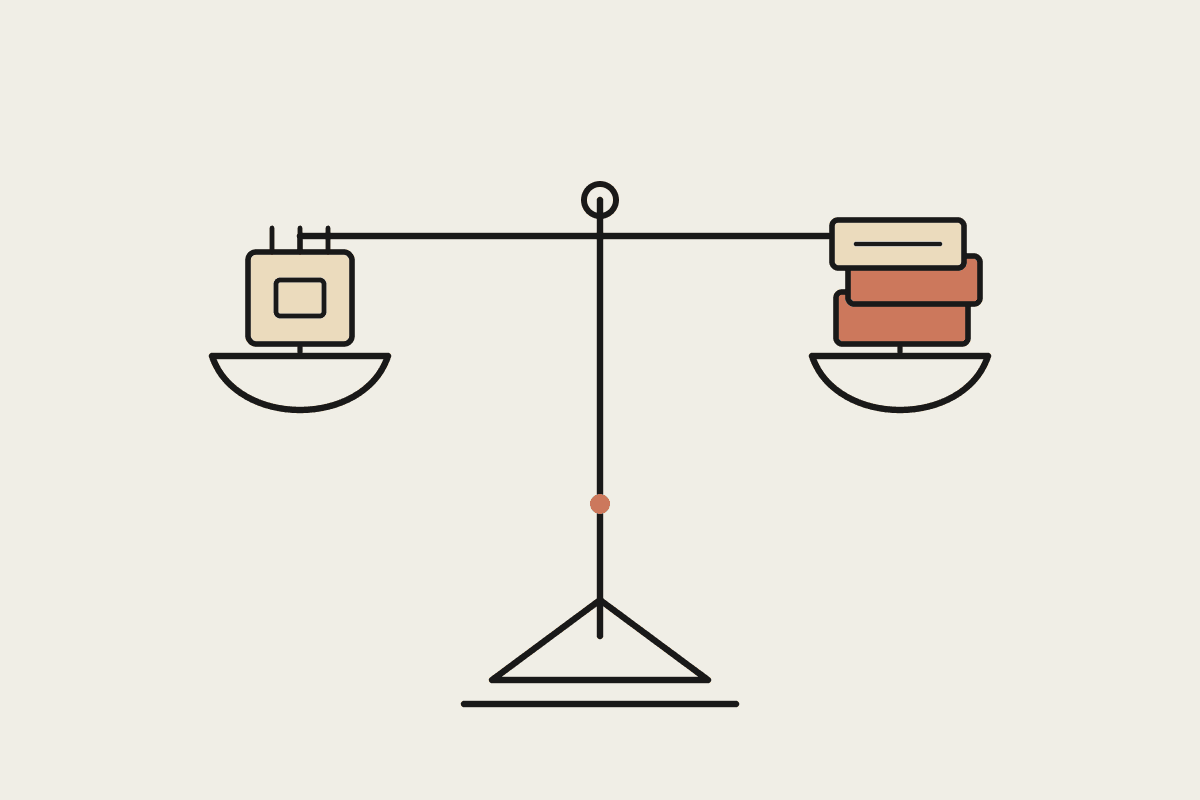
An accounting firm we work with in the Illawarra region was paying for four separate AI-enabled add-ons across practice management, document storage, rostering, and a client portal, each priced between $49 and $149 per seat per month. Across nine staff, that stack ran to roughly $28,000 a year, and none of the four tools talked to each other. Standing up a single Claude Cowork setup for the same firm was a one-off fee of $3,500 plus their existing Claude subscription, with the automation logic sitting in one place they can see and adjust.
That's not an argument that vertical AI SaaS is always the worse deal. A single-purpose tool used by one team, for one job, with no need to touch other systems, is often the cheaper and faster choice. The maths tips the other way once you're licensing three or four narrow tools to cover one end-to-end process.
A practical decision framework
Before adding another AI-enabled line item to your software budget, run the decision through four questions:
Does the task stay inside one system, or does it need information from two or more? If it's contained, the vendor's AI feature is probably fine.
Will you need to change the logic later? A vertical tool locks you into whatever the vendor ships. An agent lets you edit the instructions yourself.
How many of these narrow tools are you already running? Two is manageable. Four or more usually means the integration gap is costing more than any single subscription.
Does the work touch client data covered by the Privacy Act or industry-specific obligations? Either path can be built compliantly, but a single agent gives you one place to audit rather than four vendors to chase.
Running both, deliberately
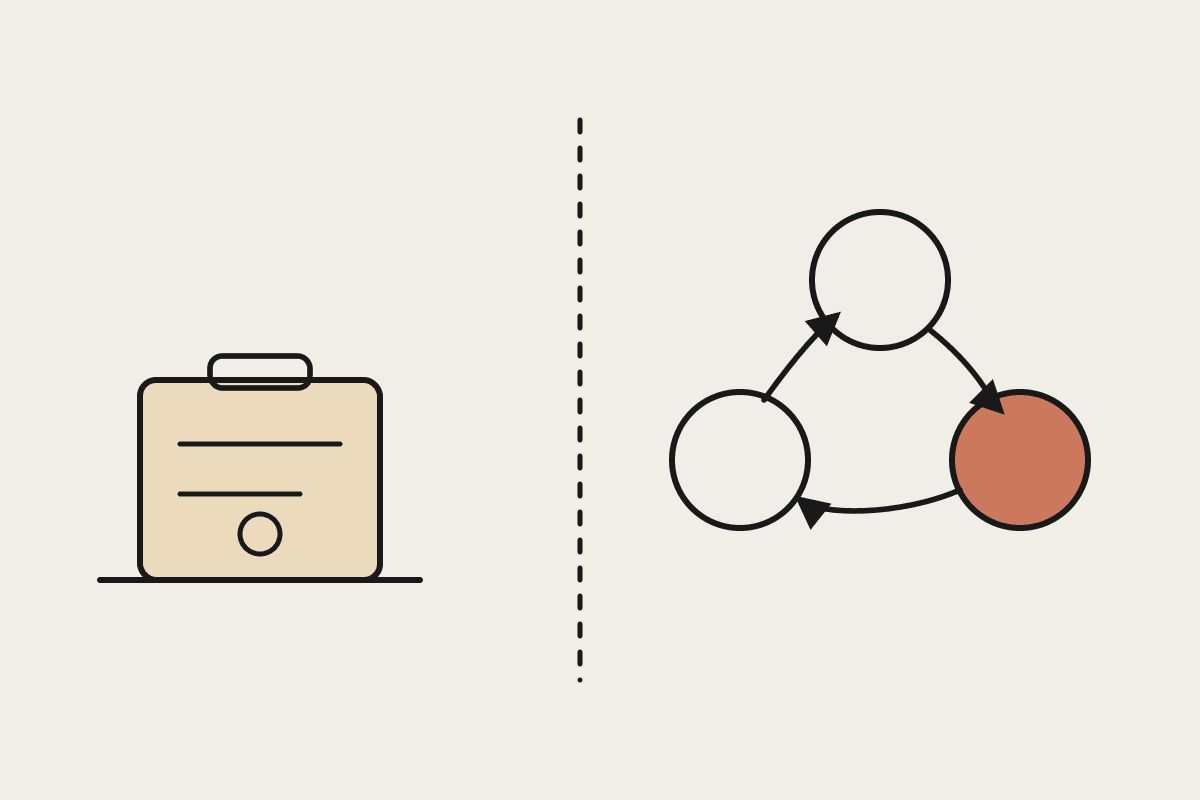
Most Australian businesses we work with end up running a mix. A niche tool stays where it's genuinely the best option for a contained job, and Claude sits over the top, handling the handoffs between systems and the tasks that don't belong to any single piece of software. The goal isn't to rip out every vertical SaaS subscription. It's to stop buying a new one every time a workflow crosses a system boundary, and to have one place where the automation logic lives, is documented, and can be changed without a vendor ticket.
If you're weighing up a new AI-enabled tool against extending what Claude already does in your business, we run a free 30-minute session to map out which way the numbers point. Book a time and bring your current software list.