Healthcare runs on data that cannot leak. For Australian clinics, allied health practices, and health-tech startups, that raises a fair question about AI: if patient data is involved, should the model run in-house on open weights rather than through a managed API? Sometimes yes. Often no. Here is how to tell, without either overspending on infrastructure or cutting a corner you cannot afford to cut.
Why sovereignty comes up first in health
Patient information sits under the Privacy Act and a thicket of state health-records rules. Two concerns drive most conversations:
Residency: being able to prove data never left Australia, and ideally never left your own systems.
Retention: knowing the model provider is not storing or training on sensitive records.
An open model running on your hardware, or on Azure Australia East, answers the residency concern cleanly because no token leaves the boundary you control. That is a genuine point in its favour, and it is why the question gets asked first in health more than in any other sector.
Where on-prem open models fit
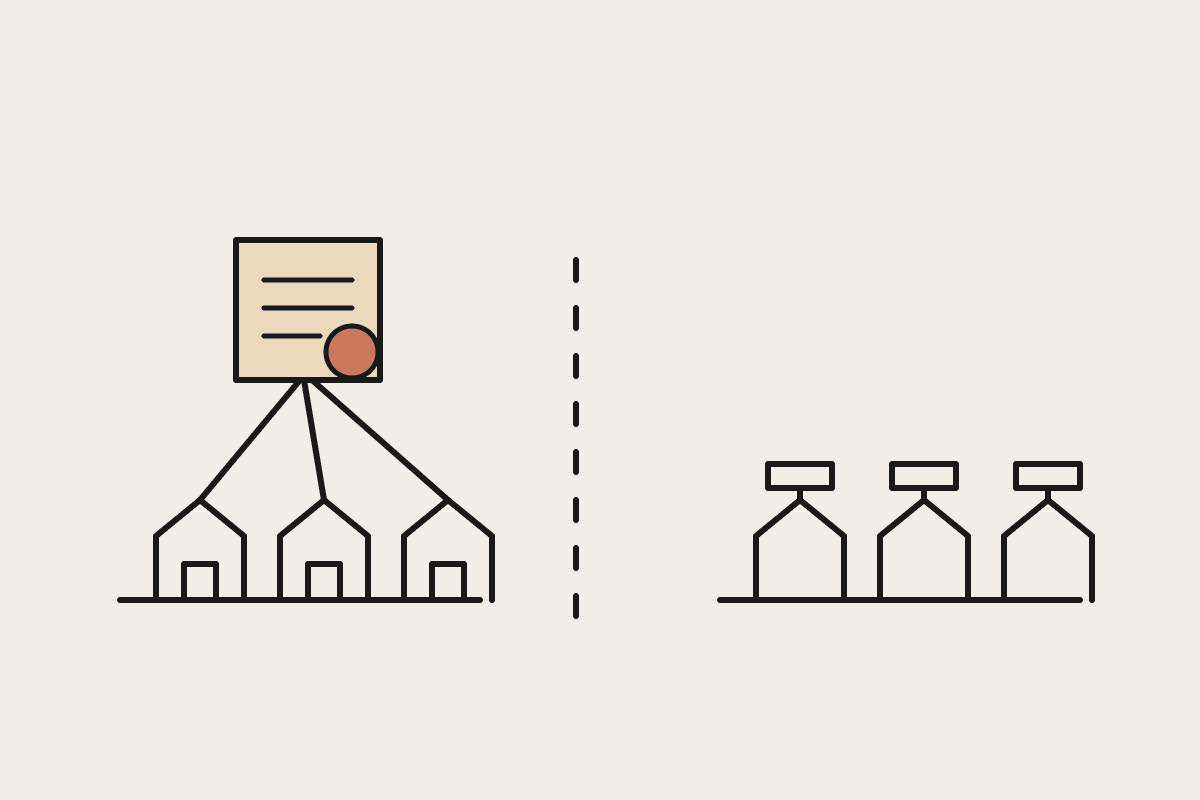
Self-hosted open weights make sense for a specific slice of health work:
High-volume, structured tasks such as coding clinical notes or de-identifying records at scale.
Workloads under a contract or accreditation that explicitly forbids third-party processing.
Larger providers that already run their own IT and can staff a GPU deployment properly.
For a hospital network with an existing data centre, the case is strong. Budget roughly $15,000 to $40,000 a month for a high-availability setup, plus the engineers to run it and the security review to sign it off.
Where managed Claude is the better call
Most Australian health SMBs are not hospitals, and for them the managed path is usually safer and cheaper:
A 5 to 20 person clinic has no one to run a server securely, and a misconfigured self-hosted model is its own privacy risk.
Managed providers offer data terms, including no-training commitments, that satisfy many Privacy Act obligations without the infrastructure.
Claude's safety tuning reduces the chance of an inappropriate output reaching a patient or a record.
A small practice spending $300 to $1,200 a month on a managed model, with proper data terms in place, gets strong privacy without standing up a server it cannot maintain.
A myth worth retiring
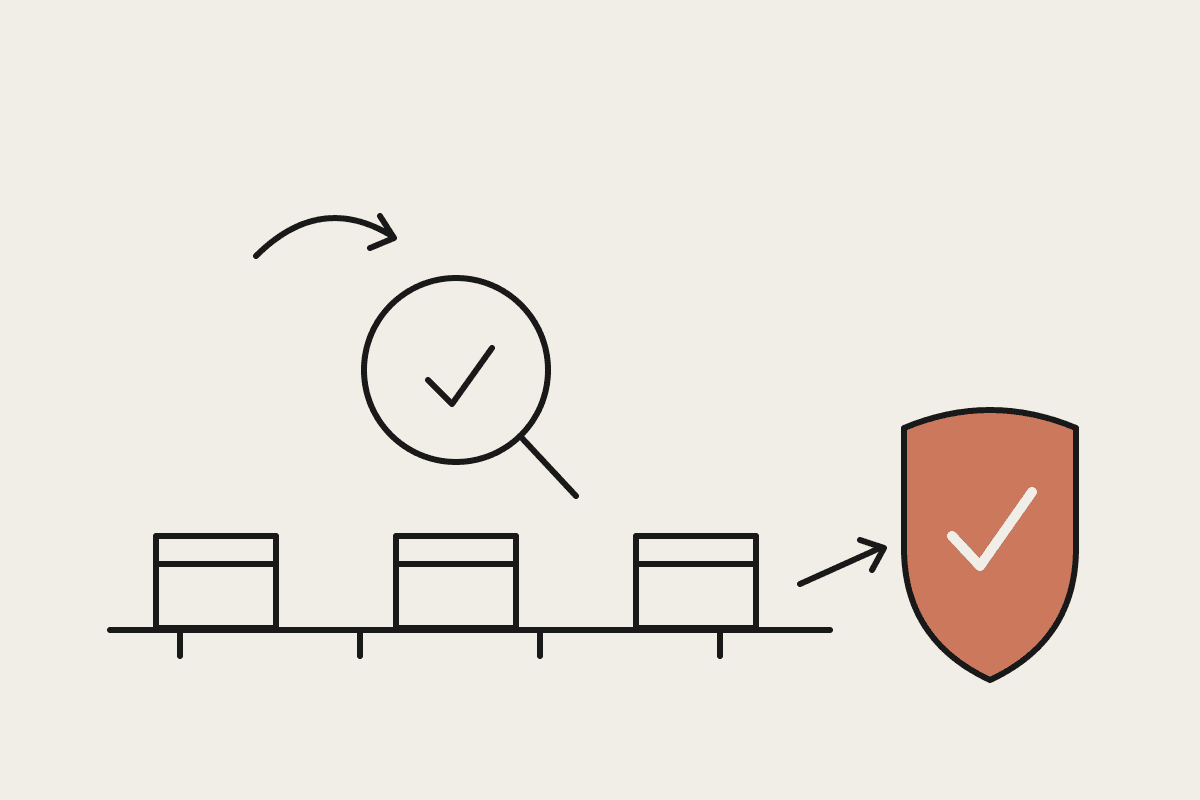
The idea that on-premise is automatically more secure does not survive contact with how breaches actually happen. A server your team cannot patch, monitor, or harden is often a bigger exposure than a reputable managed provider with a real security team and a no-training contract. Sovereignty is about control you can evidence to an auditor, not hardware you can point at in a cupboard.
The decision in practice
Sovereignty is a real requirement, not a marketing line, but it does not automatically mean on-prem. A managed model with Australian data residency and a no-training clause can meet the same obligation for a fraction of the cost and effort. Get a lawyer to read your actual obligations, then match the deployment to them rather than to the loudest fear in the room. The right answer is the one your compliance team can sign off, not the one that simply sounds the most secure.
Questions for your next compliance review
If you are weighing this for a clinic or a health-tech product, the fastest way to a clear answer is to put a short list of questions in front of whoever owns your privacy obligations. Start with the contract: does any client agreement or accreditation actually name on-premise processing, or are you assuming it does because the data feels sensitive? The answer is often softer than the instinct that prompted the question.
Then ask what a managed provider's data terms already cover. Many Privacy Act obligations are met by a no-training commitment plus Australian data residency, both of which a reputable managed model can offer in writing. If those terms satisfy your obligation, the case for standing up your own server gets much weaker, and you avoid taking on a security problem you are not staffed to own.
Finally, be honest about who would run the infrastructure. A self-hosted model that nobody has time to patch is a worse privacy position than a managed one with a real security team behind it. The right deployment is the one your compliance lead can sign without crossing their fingers, and that is usually decided by the people you have, not the hardware you could buy.
None of this is a reason to avoid AI in a health setting. It is a reason to match the deployment to the obligation rather than the fear. A clinic that names its rules, reads its contracts, and chooses a model that demonstrably meets them will move faster, spend less, and sleep better than one that stands up a server because on-premise simply sounded safer. Sovereignty is a question you answer with evidence and a signature, not with hardware, and most Australian practices reach the same answer once they look at it that way.
Want help mapping your obligations to the right setup? Book a free brainstorm with us.