Australian online stores rarely fail for want of products. They fail at the point where a shopper reads the description, feels unsure, and closes the tab. A catalogue of five thousand SKUs needs five thousand pieces of copy that read cleanly, carry the right detail, and hold a consistent voice. Writing that by hand does not scale, and outsourcing it often trades speed for accuracy. This is where Claude, guided by a tight brief, earns its place in the workflow.
Why thin product copy quietly costs you money
Thin or duplicated descriptions hurt in two directions at once. Search engines struggle to rank pages that repeat a supplier's boilerplate, and shoppers who cannot find the one detail they need simply leave. For a mid-sized Australian retailer turning over $2.4M a year online, a one percent lift in conversion is roughly $24,000 in additional revenue. Most stores are leaving several points of conversion on the table because their copy answers the easy questions and skips the hard ones.
The usual costs of neglecting product copy include:
Duplicate-content penalties when hundreds of pages reuse a manufacturer's stock blurb word for word.
Returns driven by missing detail, such as fit, material, voltage, or care instructions, which the description never mentioned.
Support tickets asking questions the page should have answered, each one costing staff time.
Inconsistent tone across categories when different contractors write to different unwritten rules.
What product description AI actually does well
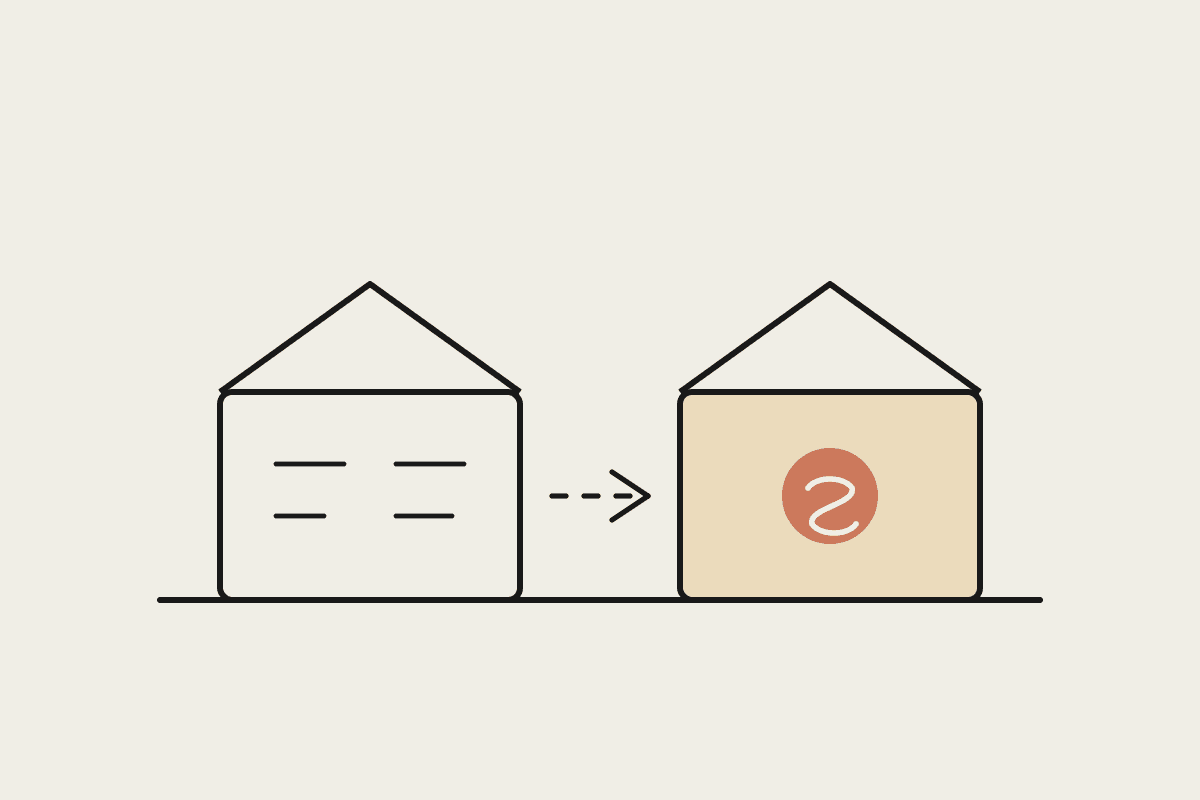
The phrase product description ai gets thrown around loosely, so it helps to be precise about the job. Claude is not guessing what your product is. You feed it structured attributes you already hold in your product information system, such as dimensions, materials, features, and category, and it turns those facts into readable copy in your voice. The model handles the language work: varying sentence structure, ordering benefits sensibly, and keeping each description distinct even across near-identical variants.
Done well, a single brief produces copy that is accurate because it is grounded in your own data, consistent because the voice rules live in the prompt, and fast because a batch of two hundred descriptions can be drafted in minutes rather than weeks. The writer's role shifts from typing to editing, which is where human judgement adds the most value.
A batching workflow for an Australian catalogue
The reliable pattern is to treat this as a pipeline, not a one-off. A store in Sydney or Melbourne running several thousand SKUs can move through it in a fortnight rather than a quarter.
Step one: export clean attributes
Pull a structured export from your ecommerce platform, whether that is Shopify, BigCommerce, or a custom setup. Each row should carry the product name, category, key attributes, and any compliance notes. Rubbish in, rubbish out applies here more than anywhere.
Step two: write one brief, not one thousand
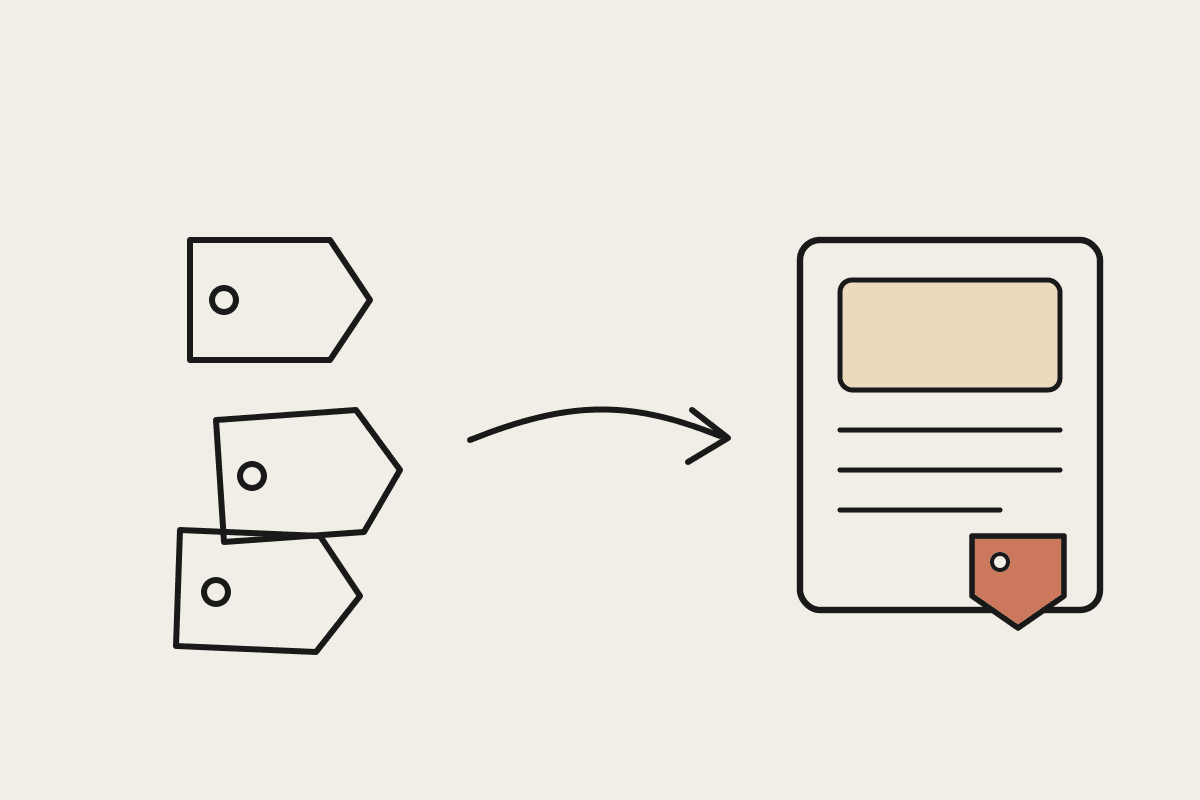
Define the voice, the length, the required detail, and the banned claims once. Claude applies that brief across every row, so the two-hundredth description obeys the same rules as the first. Include a short list of category-specific must-haves, such as care instructions for apparel or safety notes for electricals.
Step three: draft, review, and spot-check
Generate in batches, then read a sample from each category rather than every line. If the sample is clean, the batch is usually clean. Route anything with a regulatory edge, such as therapeutic or nutritional claims, to a human before it goes live.
If you want a second pair of eyes on the brief and the guardrails before you run at full volume, our team can help you set the workflow up properly the first time.
Guardrails: accuracy, compliance, and voice
Australian Consumer Law does not care that a machine wrote the copy. Under the Competition and Consumer Act, misleading or deceptive claims are the retailer's responsibility, and the ACCC has been active on greenwashing and unsubstantiated performance claims. That means your brief must forbid invented benefits and require that every factual claim traces back to a supplied attribute.
Three rules keep a batched process safe:
Ground every claim in your own product data, and instruct Claude to leave a gap rather than guess when an attribute is missing.
Keep a human in the loop for regulated categories, including anything with health, safety, or environmental claims.
If you personalise copy using customer data, handle that data in line with the Privacy Act and your own privacy policy.
On voice, the model is only as good as the examples you give it. Paste three or four descriptions you are proud of into the brief and Claude will match their rhythm far more closely than any abstract style note.
What it costs and where it pays back
The economics are the easy part of the argument. A freelance copywriter charging $40 per description would cost $200,000 for a five thousand SKU catalogue, and take months. Running the same job through Claude with a skilled editor reviewing samples typically lands closer to $15,000 all in, including the editor's time, and finishes inside a fortnight. The gap is wide enough that the question stops being whether to do it and becomes how quickly you can start.
The larger payoff is compounding. Better copy lifts organic ranking, which brings visitors who convert at a higher rate, which funds more of the catalogue getting the same treatment. A retailer who fixes product copy once and keeps the pipeline running for new stock rarely goes back to the old way.
If you run an Australian store and the size of your catalogue has made good product copy feel impossible, that is exactly the problem this solves. Book a short brainstorm and we will map the fastest path from your current descriptions to copy that reads well and ranks.