Every law firm keeps a work-in-progress ledger, and every firm quietly loses money to it. Time entries get written in a hurry between matters, in shorthand only the author understands. By the time a partner sits down to review the month's WIP, the narratives are a jumble of half-sentences and abbreviations that no client would happily pay for. The billing run stalls, write-offs climb, and invoices go out later than they should.
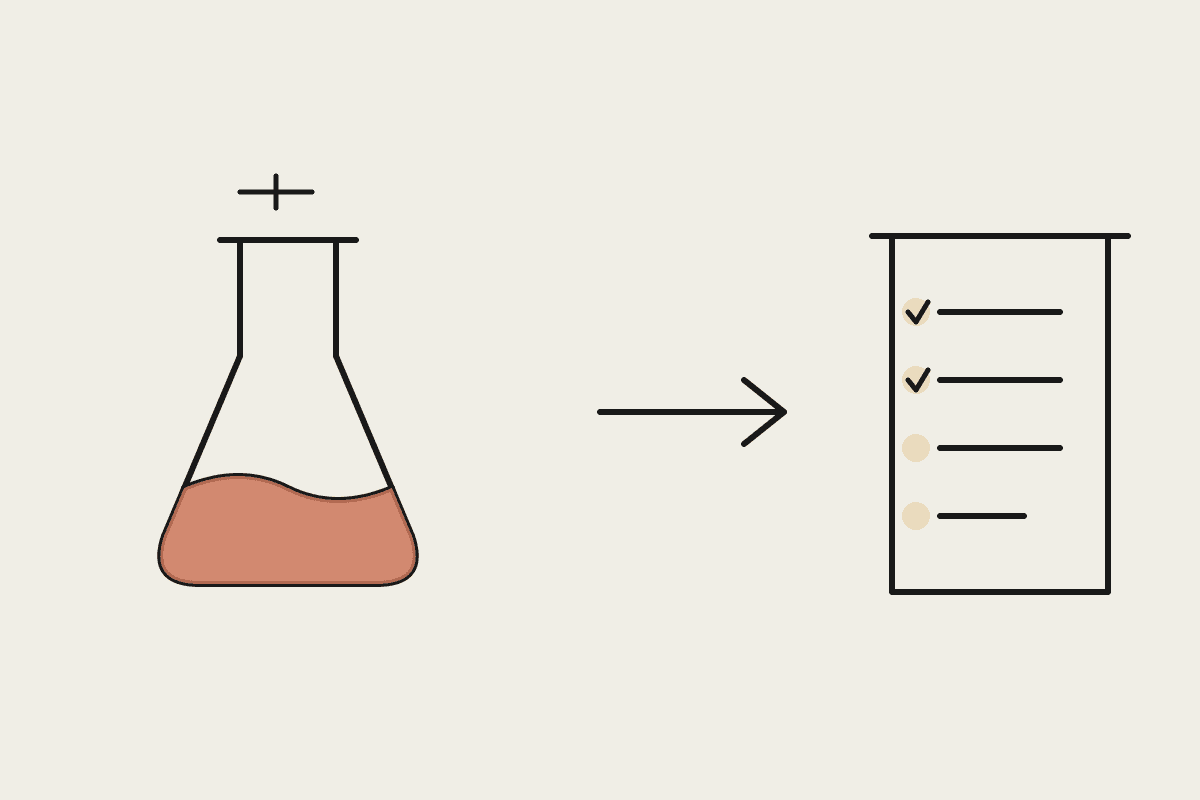
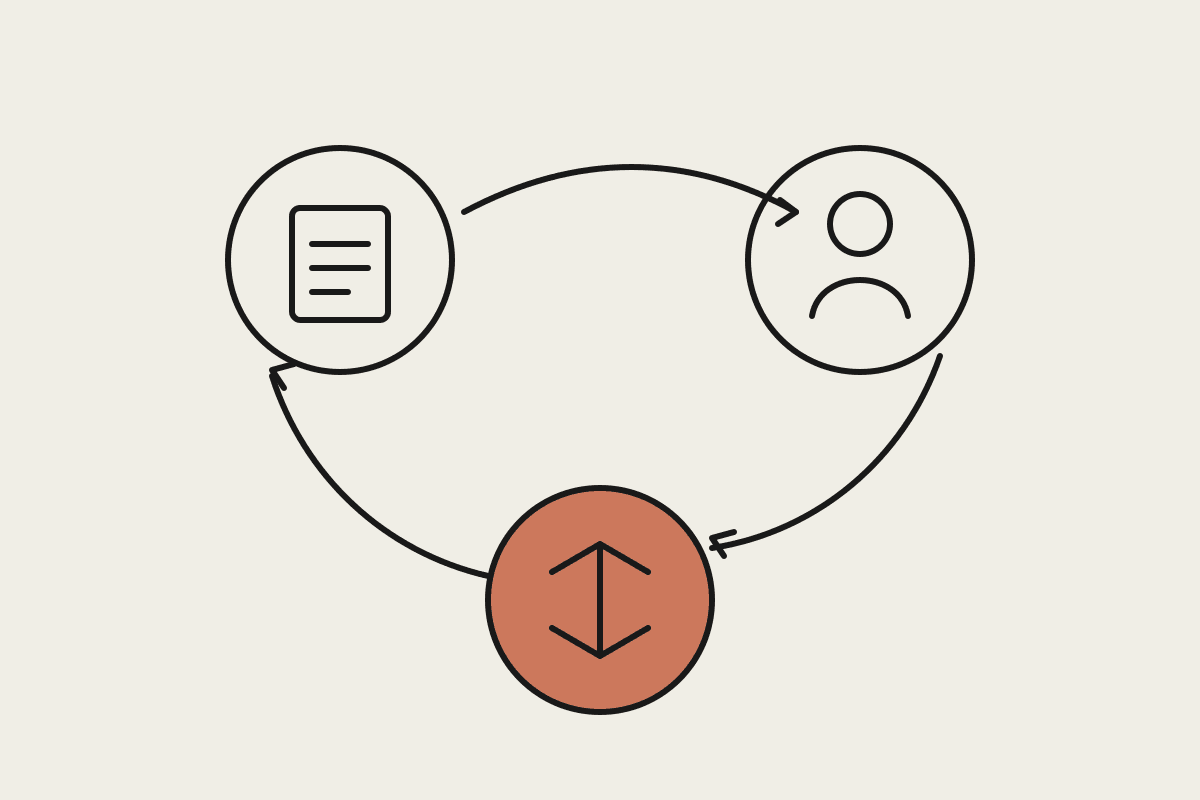
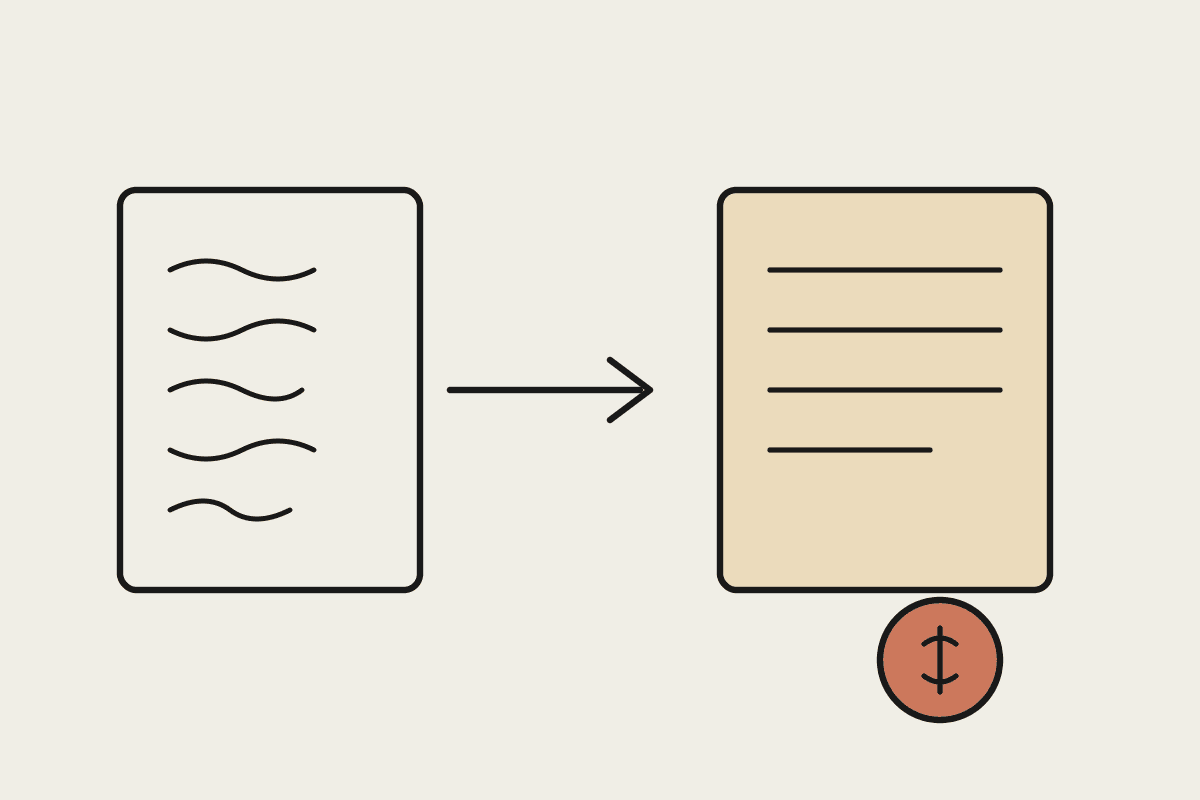
Claude changes the economics of that review. It reads a batch of raw time entries and returns clean, consistent, client-ready narratives in the firm's own style, without touching the hours or the substance of the work. The fee earner still signs off on every line. What changes is that the tidying stops eating a senior lawyer's afternoon, and the invoice goes out on time.
What actually slows a billing run
Ask any Australian practice manager where the month-end delay comes from and the answer is rarely the accounting software. It is the narratives. A single matter might carry forty entries from three different lawyers, each with their own habits. Someone has to turn that into one coherent account of the work performed, and that someone is usually the most expensive person in the room.
The cost is easy to underestimate. Picture a mid-size Sydney firm with twenty fee earners. The hidden bill looks like this:
Partner review time: several hours each month per practice group, at roughly $550 to $650 an hour of chargeable capacity given up.
Write-offs: entries that read as thin get discounted or dropped, even when the work was genuinely done and properly recorded.
Slow lock-up: invoices delayed by a week push cash collection further out and stretch the firm's working capital.
Client disputes: vague descriptions invite queries, and every query is unbilled time spent explaining a bill that should have explained itself.
Put a rough number on it. If narrative clean-up and the write-offs it causes cost a firm around $180,000 a year in lost partner time and discounted work, even a partial reduction is worth chasing. For many firms that figure is conservative, because it ignores the interest cost of billing a fortnight late, month after month.
Where Claude fits in the WIP review
Claude sits between raw time capture and the draft invoice. It does not reach into your practice management system's numbers or change a single unit of recorded time. It works on the words. Given a month of exported entries and a short style brief, it will:
Rewrite cryptic entries into plain, complete narratives a client can read.
Standardise tense, voice and terminology so a matter reads as one story rather than three.
Flag entries that look too thin to bill, or that appear to duplicate another line.
Group related work so the invoice follows the shape of the matter.
Adjust tone for the reader, whether that is a government panel, a corporate client, or a private individual.
The consistency matters as much as the speed. When every narrative across a firm follows the same standard, clients stop noticing which lawyer wrote which line, junior fee earners learn the house style by reading good examples, and costs assessors have far less to pick apart if a bill is ever challenged.
A worked example
A commercial team records "tc re dispute; rev docs; ph client" across a week. Claude returns: "Telephone conference with counsel regarding the supply dispute; reviewed the contract and related correspondence; telephone attendance on the client to provide an update." Same facts, same time, but a narrative the client will pay without a second look.
Scale that across a 300-entry month and the review can shrink from six hours to under one. If it also trims write-offs by a couple of percentage points on a monthly WIP of $400,000, that is real money recovered every cycle from work the firm already performed.
Guardrails for a regulated profession
Legal billing sits under the Legal Profession Uniform Law and its costs disclosure rules, and client information sits under the Privacy Act. A handful of controls keep the workflow safe:
Keep Claude in a review role. The fee earner approves every narrative before it bills.
Never let the tool invent work or inflate time. It rewrites what is there; it does not create.
Use a business-grade deployment so your entries are not used to train public models.
Handle privileged matter names and client identifiers in line with your confidentiality obligations.
These are the same controls a careful firm already applies to any outsourced typing or costing service. Claude simply does the work in seconds rather than days, which means the review can happen inside the billing window instead of holding it up.
Getting started
You do not need a systems project to test this. Export one month of WIP for a single practice group, run it through Claude with a short brief describing your house style, and compare the output against what a partner would have written by hand. Most firms know within one billing cycle whether it holds up, and the test costs nothing but an hour of one lawyer's attention.
If you want a hand setting up a safe, firm-specific version of this workflow, we can scope it with you and have a working process running against your next billing run.