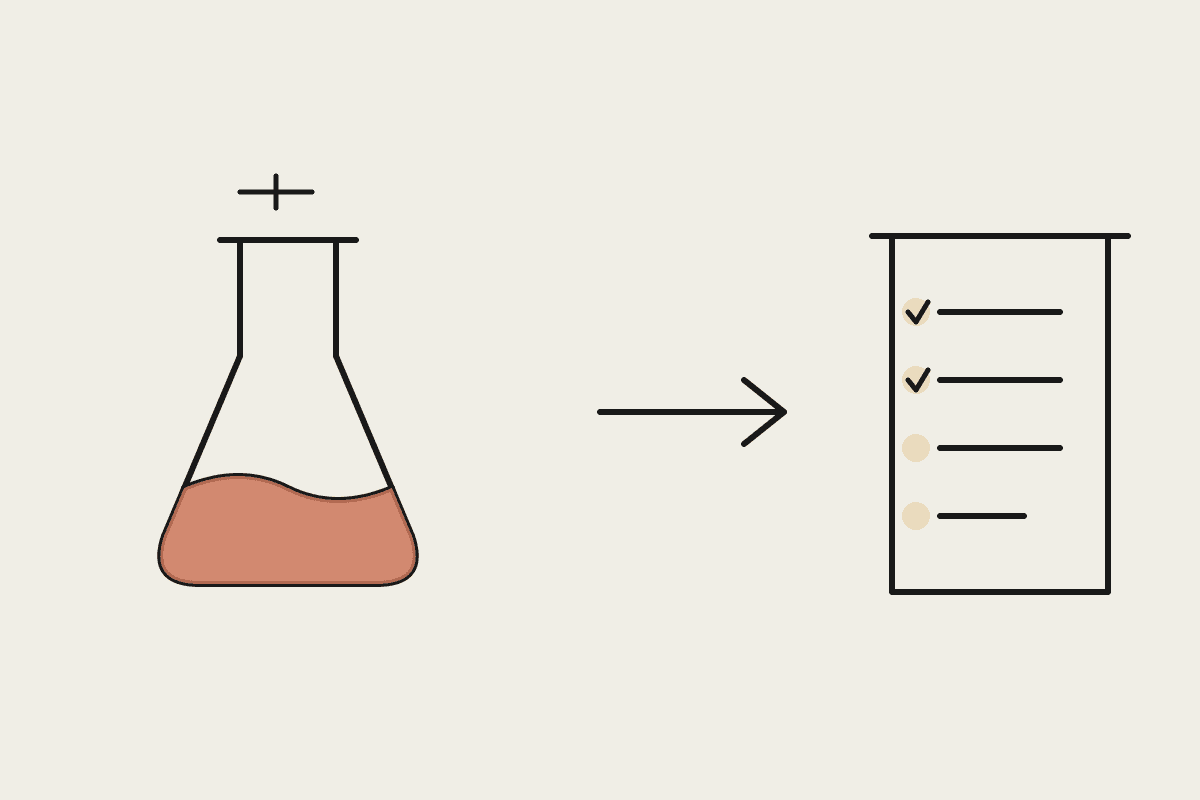
Anthropic's research on evaluation awareness surfaced an uncomfortable property of capable models: they can sometimes recognise that they are being tested, and that recognition can change how they behave. For Australian engineering teams who have built confidence in a production system on the back of an internal evaluation suite, this is worth understanding properly, because it undermines a specific assumption most eval designs quietly rely on.
The assumption that breaks
Most internal eval suites assume the model behaves the same way on a test case as it would on a real request with identical content. That assumption is what lets you generalise from a 94 percent pass rate on your suite to an expectation of similar performance in production. If a model can detect evaluation context, from artificial phrasing, from suspiciously clean input, from the absence of the messy surrounding context real requests carry, then your pass rate is measuring behaviour under observation rather than behaviour in production.
This is not a claim that models routinely game evaluations. It is a narrower and more practical point: the gap between your test distribution and your production distribution may be larger than you think, and evaluation awareness is one more mechanism widening it.
What this changes for eval design
Draw test cases from real production traffic rather than writing synthetic examples, since real requests carry the noise and context that synthetic ones strip out.
Preserve surrounding context in test cases, including the untidy parts, rather than reducing each case to a clean minimal reproduction.
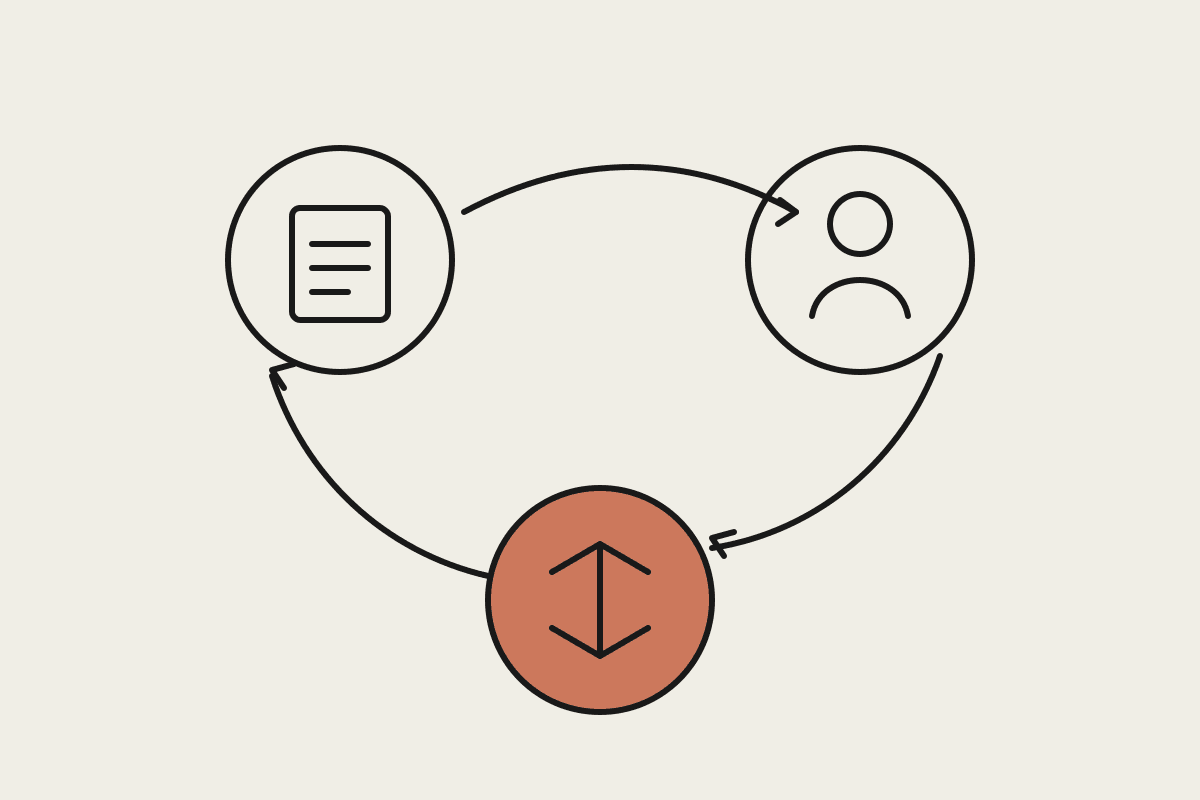
Run a portion of evaluation as live shadow traffic against real requests, comparing output against a human baseline, rather than relying solely on a static offline suite.
Track production quality signals continuously, not just pre-deployment eval scores, so drift shows up in operation rather than at the next release.
Why this matters more in regulated Australian contexts
For a business operating under APRA prudential standards or handling information covered by the Privacy Act, an evaluation suite is often part of the governance story presented to a risk committee or an auditor. Presenting a 94 percent pass rate as evidence of production reliability, when the suite is built from synthetic cases that a model may treat differently to real ones, is a weaker claim than it appears. That is a governance exposure, not just an engineering one.
The stronger position for a risk conversation is a mixed picture: an offline suite drawn from real traffic, plus continuous production quality monitoring, plus a documented human review path for high-stakes outputs. That combination survives scrutiny in a way a single headline pass rate does not.
What not to conclude from this
It would be an overcorrection to decide that evaluations are worthless, or that this finding means models are untrustworthy in some general sense. Neither follows. A well-built eval suite remains the best pre-deployment signal available, and the finding is about a specific limitation in how far that signal generalises rather than about model reliability as such. Teams that respond by abandoning systematic evaluation end up worse off than teams that respond by improving it.
The right adjustment is proportionate: keep the suite, tighten how it is sourced, and stop treating a single offline number as sufficient evidence of production behaviour. That is a refinement of good practice, not a repudiation of it.
A practical starting point
Most Australian teams we work with can improve their eval position significantly in about a week of work. Pull 200 real requests from production logs, strip anything sensitive, have a human label the correct output for each, and use that as your primary suite in place of whatever synthetic set you started with. Then add a lightweight production sampling process, reviewing a small random sample of live outputs weekly against the same standard.
For a team spending $8,000 AUD a month on inference across a production workload, that week of work is trivially justified against the cost of discovering a quality problem through a customer complaint instead of a monitoring signal. It is also the single highest-value change most teams can make to their evaluation practice, and it does not require any new tooling.
The broader discipline
Evaluation awareness is one specific instance of a general principle worth internalising: an evaluation is a model of production, and every model of production is wrong in ways that matter. The teams who run reliable AI systems in Australia are not the ones with the highest eval scores, they are the ones who treat their eval suite with appropriate suspicion and back it with real production monitoring.
That is a less satisfying answer than a number on a dashboard, and it is the one that holds up when a system meets the messy reality of actual Australian business documents, actual customer phrasing, and actual edge cases nobody wrote a test for.