A Claude-powered app that's never been through a genuine, structured test plan is a launch risk hiding in plain sight, because the failure modes that matter most, a customer-facing agent giving a confidently wrong answer, or handling an edge case badly under real-world messiness, rarely show up in the happy-path testing most teams default to before shipping.
The test categories a launch checklist needs
Deciding how much testing effort is proportionate matters too; a low-stakes internal tool warrants a lighter test plan than a customer-facing app handling anything approaching a financial or health decision, and calibrating effort to actual stakes, rather than applying one fixed checklist regardless of context, keeps the test plan itself from becoming the thing that blows out the launch timeline unnecessarily.
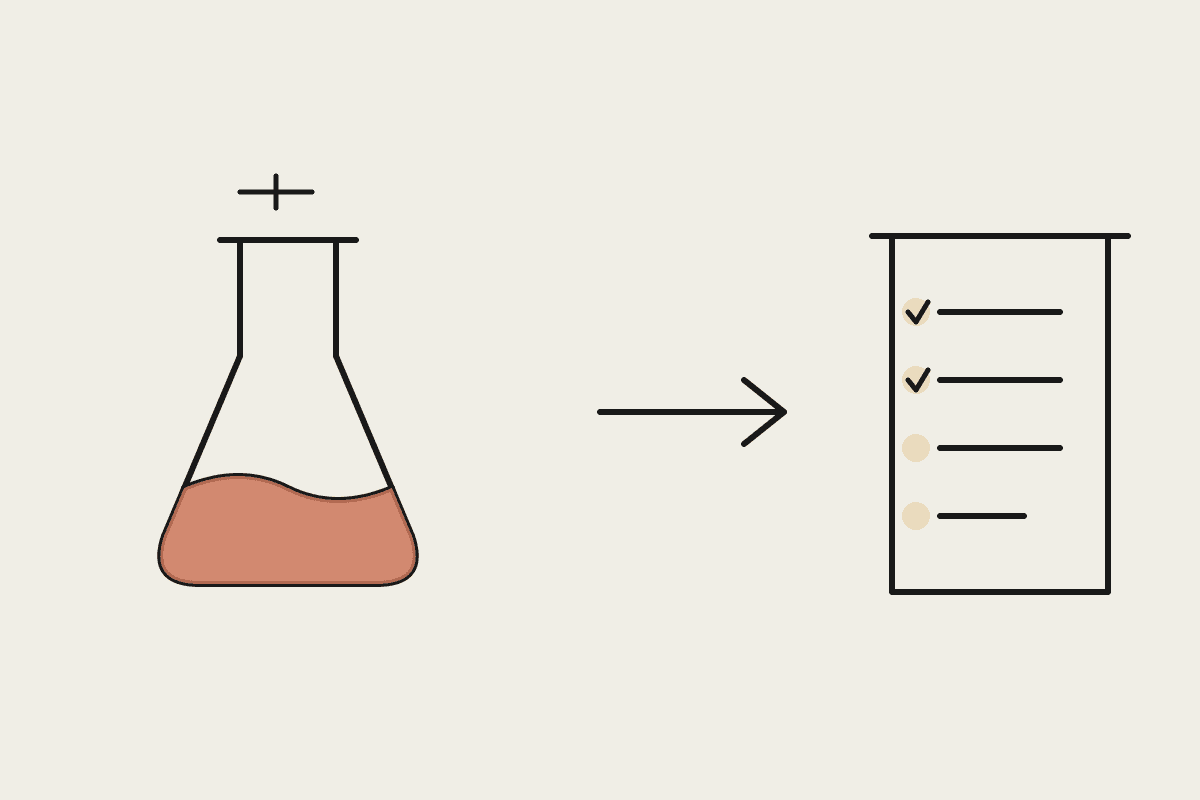
A test plan that actually catches problems before customers do covers more ground than functional correctness alone: it needs adversarial testing, deliberately trying to break the app with malformed input or an unexpected request sequence, plus a review of what happens when the underlying model gives a wrong or low-confidence answer, since how the app handles that moment matters as much as how often it happens.
Functional testing against the app's core intended use cases, the obvious starting point
Adversarial testing with deliberately malformed, unexpected, or edge-case input
Failure-mode review: what the user actually sees when Claude gets something wrong
Load testing if the app expects concurrent users, since response latency under load changes the experience meaningfully
Where teams skip a step that comes back to bite them
The step most commonly skipped under launch deadline pressure is the failure-mode review, because it requires deliberately spending time on the scenario where the app is wrong, which feels unproductive compared to polishing the happy path everyone's excited to demo. But a customer encountering a confidently wrong answer with no visible way to flag it or get a human involved does more reputational damage than the same wrong answer would if the app had visibly hedged, or offered an easy escalation path.
A Sydney legal-adjacent services startup building a client-facing Claude app for initial enquiry triage had tested extensively against expected enquiry types but skipped adversarial and failure-mode testing under launch pressure, and within the first week a user's unusual, edge-case enquiry produced a confidently wrong triage recommendation with no visible escalation option, generating a complaint that reached the founder directly. Building a proper failure-mode review into the test plan before the next feature launch, including an explicit low-confidence fallback that offers a human contact option, cost the team roughly two extra days of testing time but the founder estimated the original incident had cost around $4,000 in reputational cleanup and a discounted service credit to the affected customer.
Building a lightweight regression suite from real incidents
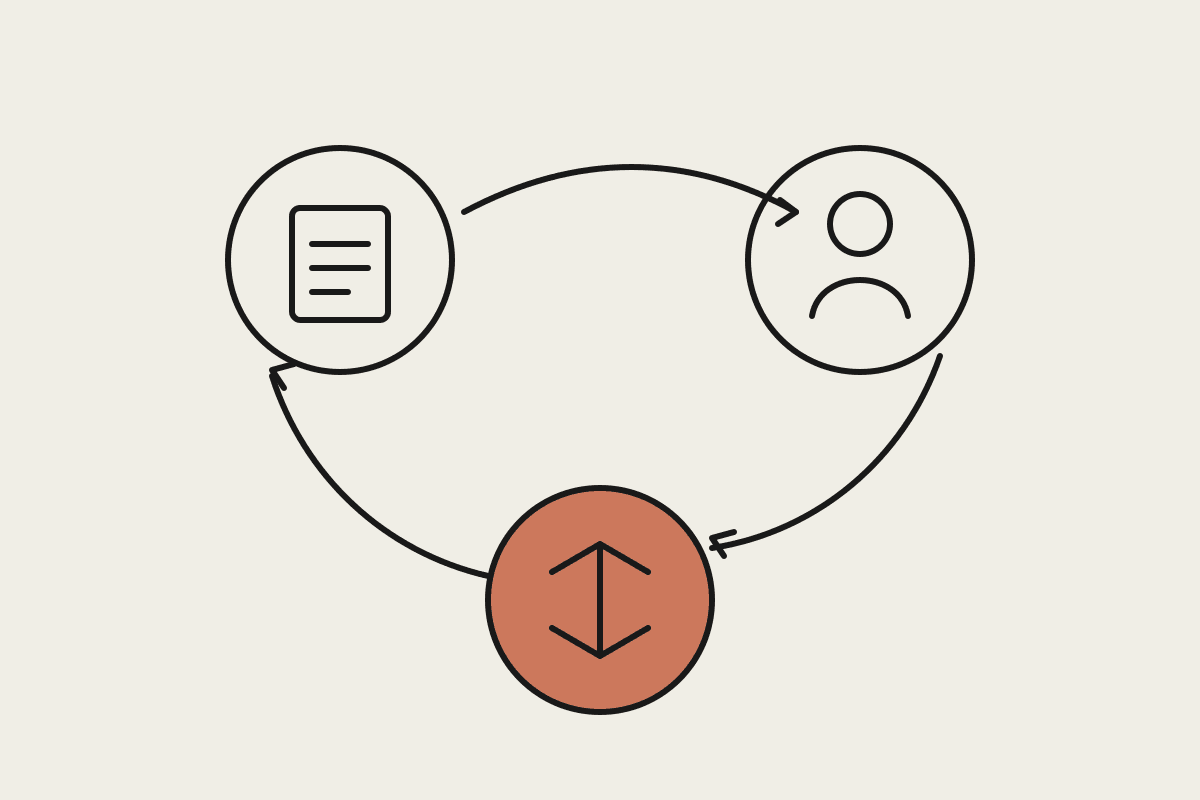
Every genuine failure found during testing, or worse, after launch, is worth turning into a permanent regression test rather than a one-off fix, so the same failure mode can't quietly resurface after an unrelated prompt or model update. This is a small habit that compounds significantly over a year of iteration.
Who should sign off before launch
A test plan is only as effective as who reviews its results before launch; having the same person who built the app also be the sole judge of whether it's ready introduces an obvious blind spot, since nobody spots their own app's weak points as reliably as a second, less invested reviewer does. A short, structured sign-off involving at least one person outside the build team, even informally, catches gaps the builder has stopped noticing.
For a genuinely customer-facing launch, it's worth having that second reviewer specifically try to break the app with the kind of odd, off-script input a real customer might send, rather than testing against the same scripted scenarios the builder already knows work fine, since a fresh pair of eyes finds different failure modes than someone who's been staring at the same test cases for weeks.
What this isn't
This is a pre-launch test plan specifically, distinct from the ongoing QA and regression-testing discipline a mature app needs post-launch; the test plan here is about clearing the specific bar of "safe to put in front of real customers," not an exhaustive, permanent testing framework.
Automata AI runs pre-launch test plans for Claude-powered apps before Australian businesses put them in front of real customers. Get in touch via /contact before your launch date, not after the first incident, and we'll build the adversarial and failure-mode tests most teams skip under their own deadline pressure, plus the regression suite that keeps each finding from quietly resurfacing later.