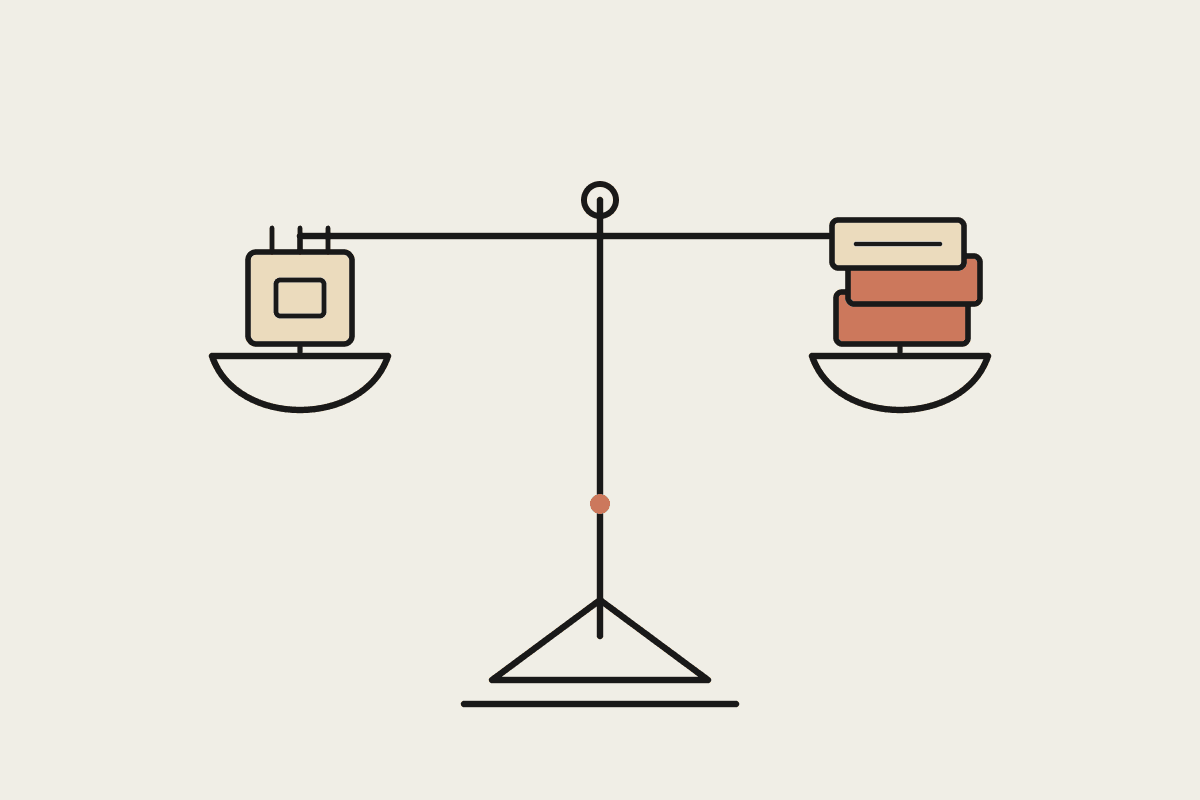
A business owner excited about a new AI workflow often runs straight into a wall of caution from their accountant, and the reflex is to see this as the accountant being behind the curve. Usually the opposite is true: the accountant is asking exactly the right questions, about data handling, about audit trails, about what happens if a figure is wrong, and the fix is bringing them in early rather than working around their concerns.
Why accountants push back, specifically
They're personally and professionally accountable for figures that end up in a BAS lodgement or a set of accounts, in a way the person building the AI workflow often isn't
TPB rules around what constitutes a BAS service create real professional risk if an AI tool is quietly doing work that should have had a registered agent's oversight
They've likely seen a client burned by a tool that looked fine until an ATO query revealed a systematic error nobody had caught
They're rarely shown the actual workflow, only told 'we're using AI for this now,' which understandably reads as a black box rather than a controlled process
What actually gets an accountant comfortable
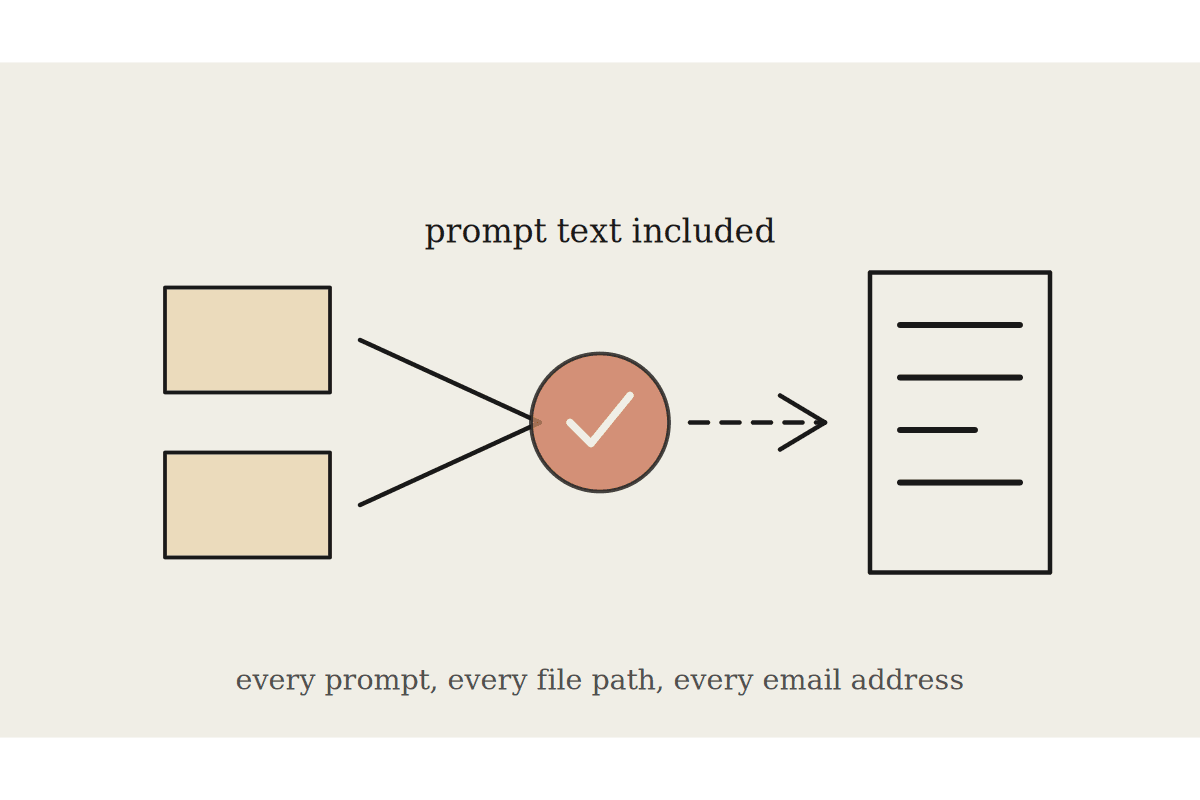
Show the specific workflow, not the general concept. A Sydney business that wanted to use Claude to draft monthly management reports brought their accountant into a working session, walked through the actual prompt, the source data it drew from, and the review step before anything went to the accountant's desk. The accountant's concerns shifted almost immediately from general wariness to specific, useful feedback: flagging one figure that needed a different treatment under a recent ATO ruling, a catch that improved the workflow rather than blocking it.
Framing that helps, and framing that doesn't
Presenting AI as replacing the accountant's judgement tends to trigger defensiveness, understandably. Presenting it as handling the repetitive drafting work while the accountant's review remains the actual check, the same role they'd play reviewing a junior staff member's draft, gets a much better reception. The distinction matters because it's also usually true: a well-designed AI workflow drafts, a qualified professional still reviews anything with real consequences.
A practical first step
Rather than announcing a finished workflow, invite the accountant into the design conversation before it's built. Their specific compliance knowledge, what needs a human check, what current ATO guidance says about a particular treatment, is genuinely useful input at the design stage, and involving them early converts a potential blocker into a collaborator with a stake in the workflow working properly.
If you're building an AI workflow that touches financial reporting or compliance and want help bringing your accountant into the process productively, get in touch through /contact.
What the working-session approach actually cost and saved
The Sydney business's working session with their accountant took ninety minutes, roughly $380 in combined billed time across the business owner and the accountant. Against that small upfront cost, the workflow launched with the accountant's explicit sign-off, and the ATO-ruling catch made during that session avoided a treatment error that, left uncaught, could have meant a correction across several months of management reports once eventually discovered, a far more expensive and awkward fix than the ninety-minute session that prevented it.
This pattern holds broadly across the Australian accounting relationships we've seen work well: the upfront cost of involving an accountant properly is almost always smaller than the cost of an error surfacing later, particularly once BAS lodgements or year-end figures are already locked in and a correction means amending something already filed.
What to bring to that first conversation
The actual prompt or workflow logic, not just a verbal description of what it's meant to do
A sample of real output, ideally including at least one edge case, not just a clean best-case example
A clear statement of what stays a human decision versus what the AI is drafting
An open question, not a decision already made: 'what would make you comfortable with this'
None of this requires the accountant to become technical. Most of what earns their comfort is procedural clarity, knowing exactly what the AI does, what a human checks, and what happens if something looks wrong, rather than any deep understanding of how the underlying model works. Framing the conversation around process rather than technology keeps it accessible regardless of how comfortable the accountant is with AI generally.
If your accountant has already pushed back on an AI idea, that's not a dead end, it's useful information about exactly which part of the workflow needs more thought. Going back with specifics addressing their actual concern usually gets a very different response than the original, vaguer pitch did.