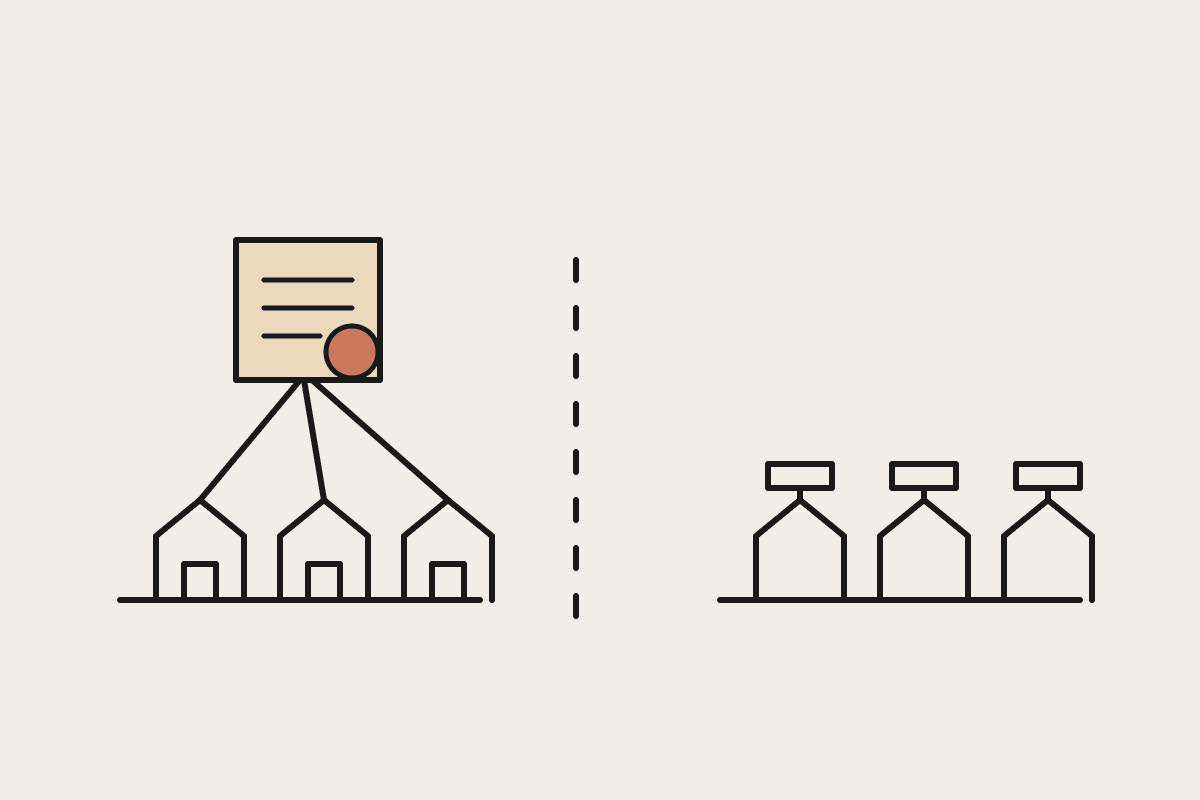
A cafe group with 18 Sydney locations generates more Google reviews in a month than most single-site businesses see in two years. Multiply that across retail chains, gyms, real estate agencies with rotating listings, and hospitality groups with high table turnover, and the review volume for a multi-site brand becomes a genuine operational problem rather than a marketing nice-to-have. Head office teams are usually stuck choosing between two bad options: leave most reviews unanswered, which local search algorithms and prospective customers both notice, or spread the job across store managers who have no consistent brand voice, no training in handling a public complaint, and no time to do it properly during a trading day. Neither option scales past a handful of sites. This guide covers how a Claude-based response workflow closes that gap for Australian multi-site retail and hospitality operators, what the governance model needs to look like, and where the human check still has to sit in the loop.
Why review response speed matters for multi-site brands
Google factors review recency and response rate into local pack rankings, so a location that goes quiet on reviews for six weeks can quietly lose visibility against a competitor two doors down who replies within a day. For a single cafe that is a nuisance. For a retail group running 40 locations across Melbourne, Brisbane and regional Queensland, it is a slow leak across the entire estate. We scoped one Sydney-based hospitality group that was paying roughly $52,000 a year in area-manager overtime and a part-time contractor just to keep review replies within a 48-hour window, and even then thirty percent of reviews across the network sat unanswered past a week. That is before counting the harder-to-measure cost: a one-star review with no reply reads, fairly or not, as a brand that does not care, and it sits at the top of the profile for months.
Review volume outpaces any manual rota once a network passes roughly 15 to 20 locations, and it keeps compounding as the group grows.
Brand voice drifts between locations when 40 different store managers are each writing replies in their own style, with no one checking tone across the network.
Head office has no visibility into what is actually being said to customers under the company's name until a complaint escalates.
Response delay directly costs local search ranking and the first-impression effect for anyone scrolling recent reviews before booking or visiting.
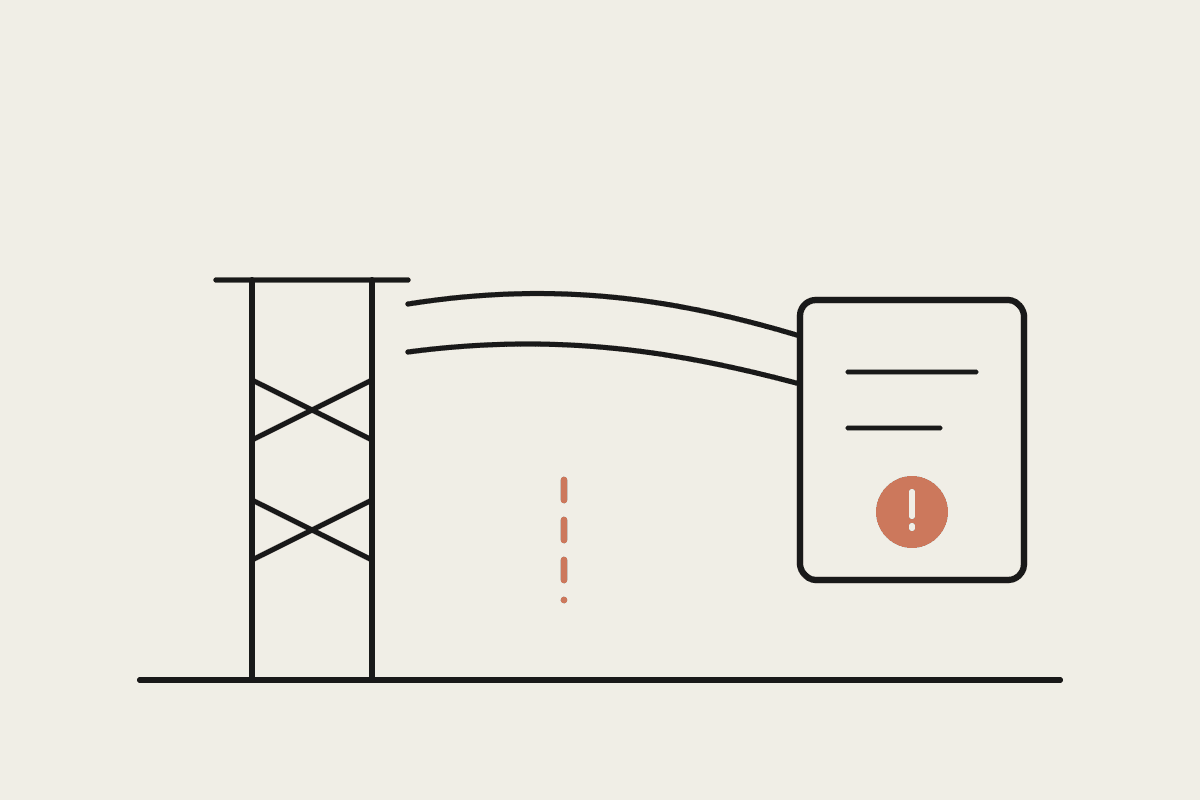
Under Australian Consumer Law, a poorly worded reply to a complaint, denying a refund entitlement for example, can create a bigger problem than the original review.
How a Claude-based response workflow actually works
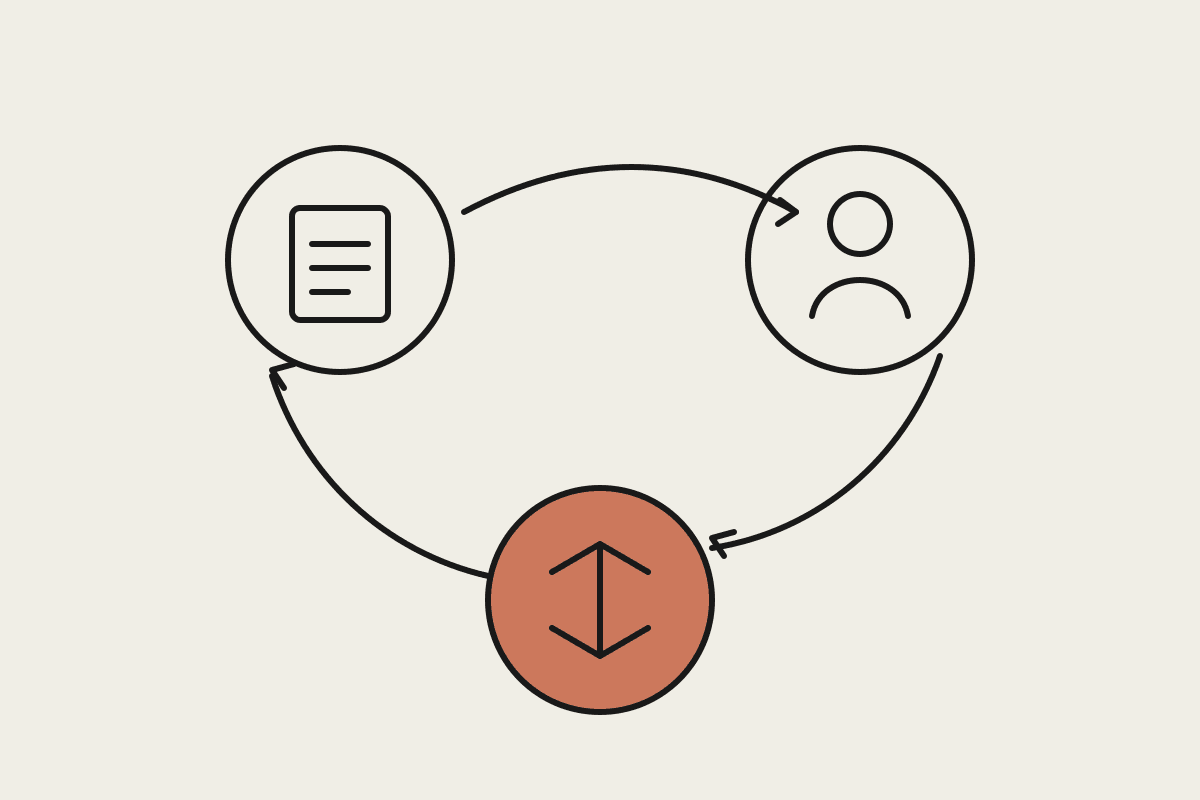
The mechanics are straightforward once the plumbing is in place. Reviews come in through the Google Business Profile API, directly, or via an aggregator like Podium or Birdeye that many multi-site operators already run for messaging. Each new review is passed to Claude along with three things: the location's brand voice guide, a short profile of that specific site (manager name, recent promotions, known service issues), and the review text itself. Claude drafts a reply in the brand's tone, referencing specifics from the review rather than a generic template, and tags the reply with a confidence level based on the star rating and content. Four and five-star reviews with straightforward language are the easiest case: the draft can go out automatically, usually within minutes of the review landing, which is fast enough to move the needle on response-rate metrics without anyone lifting a finger. Three-star and below, or anything mentioning a refund, an injury, a hygiene issue or legal language, gets routed to a queue for a human at head office or the relevant area manager to approve or rewrite before it posts. Nothing negative goes out unread by a person.
This is the same pattern we use across other Automata AI engagements: Claude drafts, a human approves the edge cases, and the system gets faster over time because the approval queue trains the confidence threshold. A 60-location fitness chain running this setup typically sees average response time drop from four days to under two hours for the auto-approved tier, while the genuinely difficult reviews, the ones that actually need a manager's judgment, still get one. That split matters more than raw automation percentage. The goal is not zero human involvement, it is making sure the humans on the team are spending their time on the twenty reviews a week that need a real decision, not the two hundred that just need a polite, on-brand acknowledgement.
Governance, brand voice and where humans stay in the loop
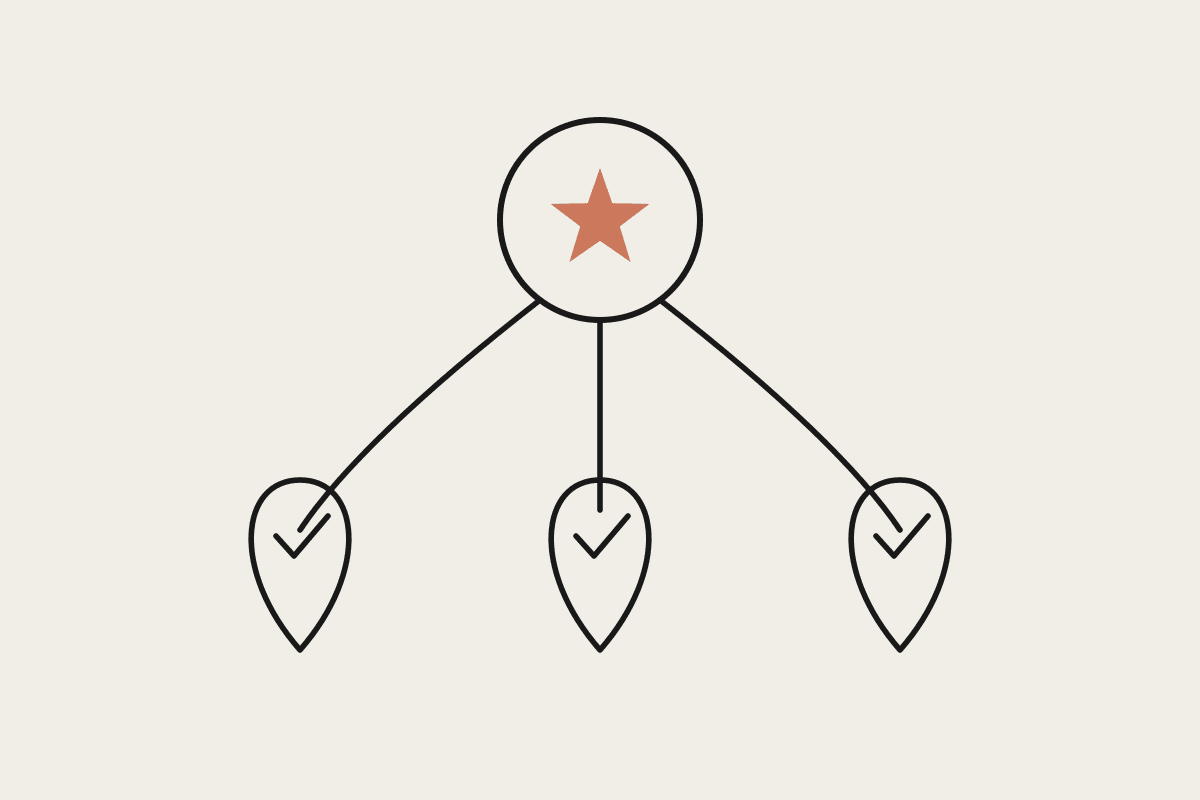
The riskiest part of any review-response automation is not the technology, it is what happens when nobody is watching what gets posted under the company's name. A workable governance model has three layers. First, a written brand voice guide that Claude is grounded in for every draft, covering tone, banned phrases, and how the business talks about refunds, allergens, safety incidents and pricing. Second, a hard rule that anything below four stars, anything mentioning injury, discrimination, food safety or a refund dispute, and anything from a reviewer who has left more than one bad review in the past month, routes to a human queue by default, no exceptions. Third, a monthly audit where someone at head office reads a sample of auto-posted replies across the network to check for tone drift, because brand voice guides go stale as menus, pricing and promotions change and nobody remembers to update the reference document Claude is working from.
There are two Australian-specific constraints worth building into the guide rather than discovering after the fact. Under Australian Consumer Law, a public reply that denies a customer's entitlement to a remedy, or promises something the business cannot actually deliver, can be used as evidence against the business later, so refund and warranty language needs a lawyer's sign-off once, then gets locked into the brand voice guide as a template rather than left to a case-by-case draft. Under the Privacy Act, a reply should never repeat back personal information the reviewer did not already make public in the review itself. A customer's booking reference, phone number or a staff member's rostering details have no place in a public response, however tempting it is to prove the business's side of the story.
Rolling this out across a network without breaking anything
Connect each location's Google Business Profile to the review feed first. This is usually the slowest step because access has to come from whoever set up each location's listing originally, not head office.
Write the brand voice guide once, centrally, and get legal sign-off on refund, warranty and safety language before any reply goes live.
Run four weeks in shadow mode, where Claude drafts every reply but nothing posts automatically, so the team can compare drafts against what a human would have written.
Turn on auto-posting for the four and five-star tier only, then expand the auto-approved tier gradually as the confidence threshold proves itself.
Review a sample of posted replies monthly and update the brand voice guide whenever pricing, promotions or a known service issue changes.
For a mid-sized Australian multi-site operator, roughly 30 to 80 locations, this typically replaces $40,000 to $90,000 a year in manual review-response labour with a setup that costs a fraction of that to build and run, and it usually gets response time across the whole network under 24 hours within the first month. The bigger win is consistency: every location sounds like the same brand, every complaint gets seen by a person before it goes public, and head office finally has visibility into what customers are actually saying, site by site, instead of finding out about a problem three months later in a board pack. If a multi-site review workload is eating into manager time or sitting unanswered, book a short call and we will scope what this looks like for your specific network.