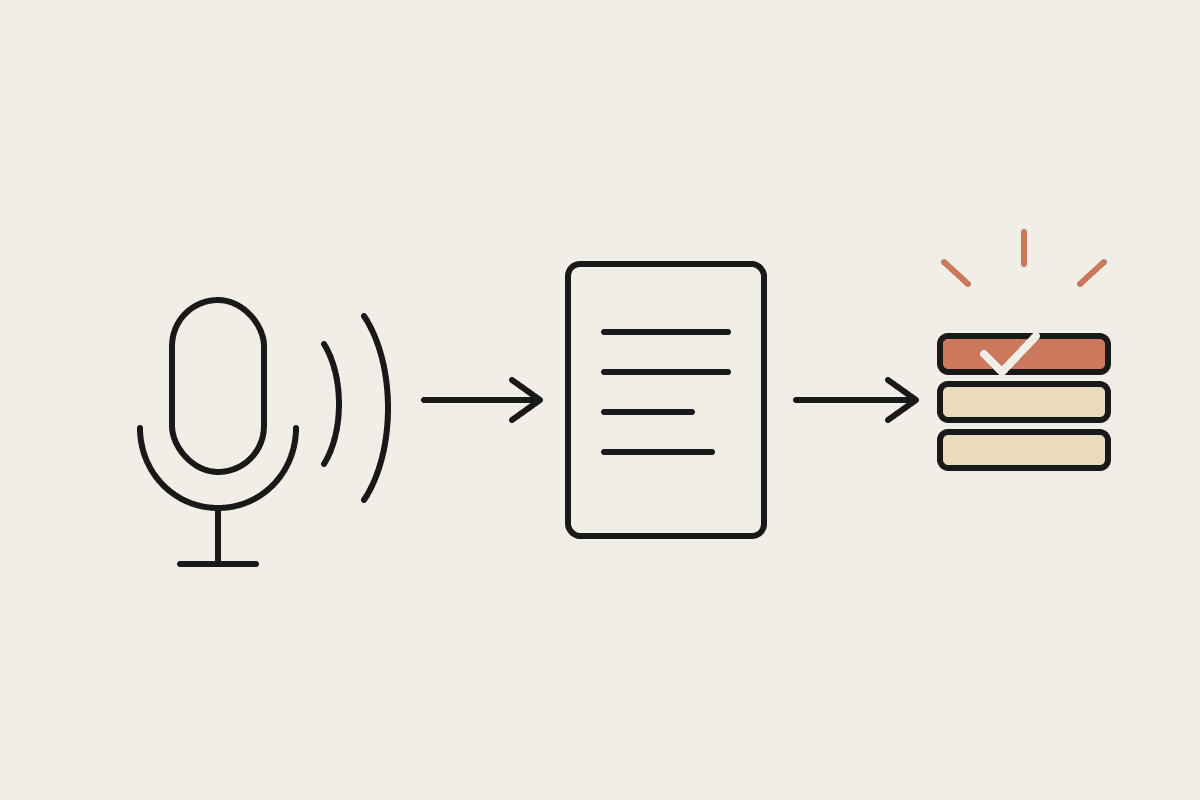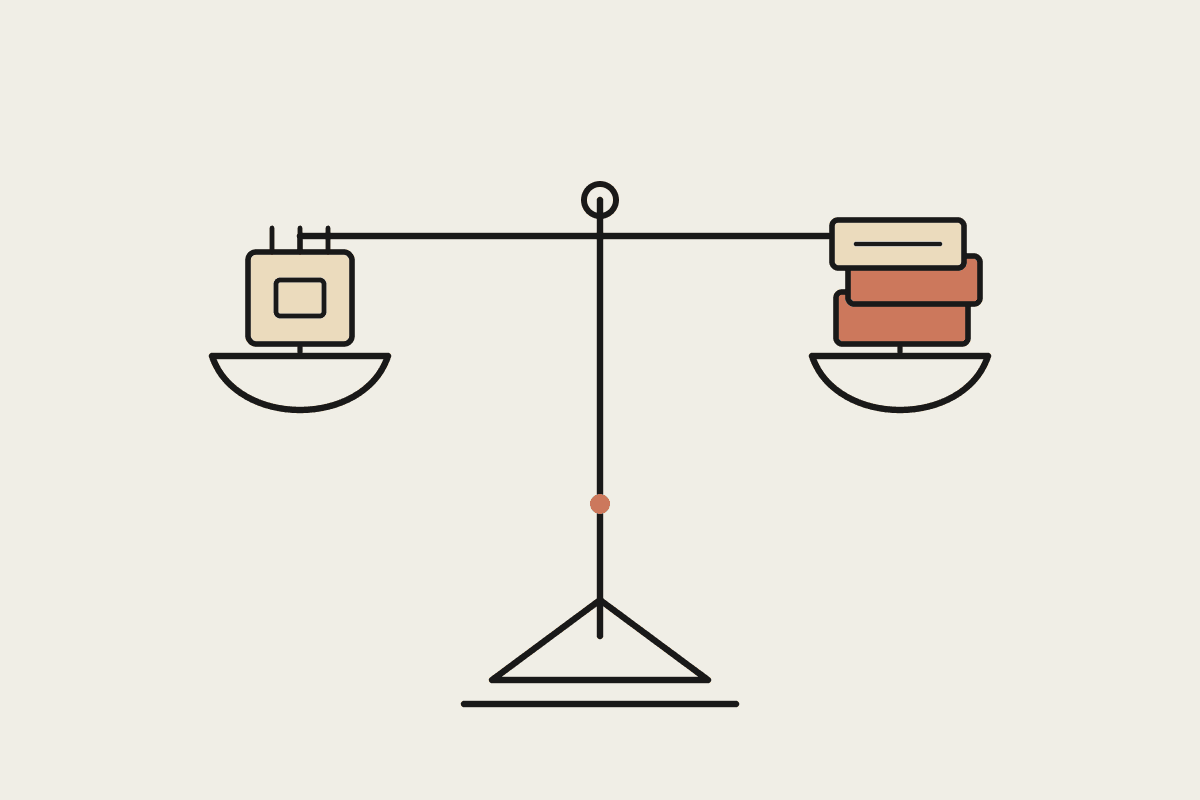
Claude is highly accurate at retrieving and calculating from numbers you actually give it or connect it to, reading a real invoice total, summing a real column, correctly, reliably, checkably, and meaningfully less trustworthy when asked to recall or estimate a specific figure from memory rather than from a real source. That distinction, sourced versus recalled, is the single most useful thing to understand before trusting Claude with anything financial.
Where accuracy is genuinely strong
Arithmetic and calculation on numbers provided in the conversation or a connected document
Extracting specific figures from an uploaded report, invoice or spreadsheet
Cross-referencing numbers across multiple connected sources for consistency checks
Formatting and presenting real numbers clearly, a P&L narrative, a variance summary
Where accuracy genuinely drops
Ask Claude to recall a specific statistic, an exact industry benchmark, a precise historical figure, without a real source attached, and the risk of a confidently wrong answer rises meaningfully, because the model is generating a plausible-sounding number from its training rather than reading one. The failure mode isn't obvious hedging, it's a specific-looking number stated with the same confidence as a genuinely sourced one, which is exactly why it's dangerous for anything a business might act on financially.
A practical test worth running yourself
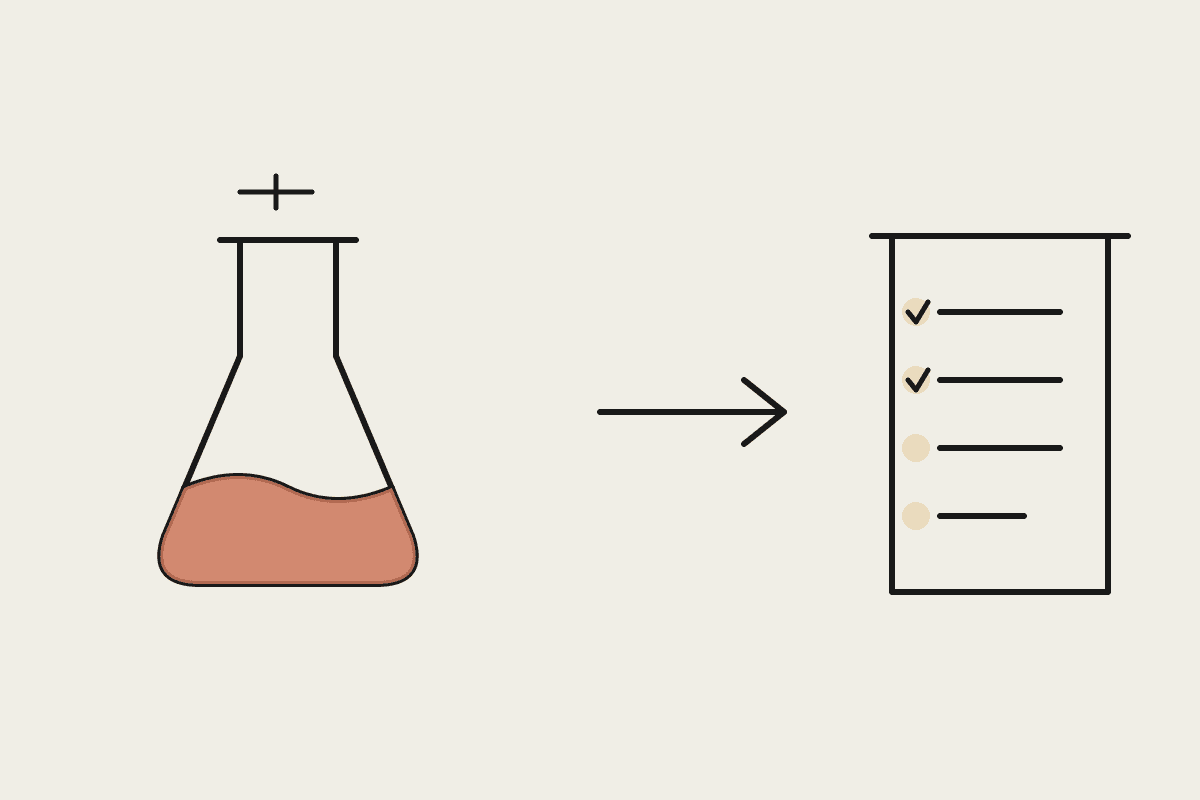
Before trusting Claude with any recurring numbers task, run a spot-check: give it a real document with numbers you already know the correct total for, ask it to calculate or summarise, and manually verify the output against the source. Do this three or four times across the specific task you intend to automate before trusting it unsupervised. This costs perhaps twenty minutes and catches the gap between 'generally accurate' and 'accurate for this specific task with this specific data' before it matters.
What a Perth business found when they tested this
A twelve-person Perth engineering firm tested Claude's accuracy summarising monthly project-cost reports against six months of historical data they already had verified totals for. Grounded in the actual exported reports, Claude's summaries matched the verified totals exactly across all six months. When the same team, out of curiosity, asked Claude to estimate typical project margins for their industry without providing their own data, the answer was plausible-sounding but off by roughly 8 percentage points from their actual, verified margin, a clean illustration of the sourced-versus-recalled gap in a single afternoon of testing.
The rule worth keeping
Why this matters more for financial numbers than most content
A wrong number in a client-facing report or a decision carries a different kind of risk than a wrong word choice in a draft email, it's harder to spot on a casual read, and the downstream cost of acting on it can be direct and financial rather than merely embarrassing. A business relying on Claude for anything touching revenue, tax, or client billing figures should treat number accuracy with a level of scrutiny it wouldn't necessarily apply to a marketing draft, precisely because a plausible-looking wrong figure of $45,000 instead of $54,000 is much harder to catch on a skim-read than an oddly worded sentence.
The good news is that the sourced-versus-recalled distinction gives a clear, testable rule rather than a vague caution. Any workflow that connects Claude to a real system, an accounting platform, a live spreadsheet, and asks it to work from that connected data, inherits a high accuracy ceiling. Any workflow that asks Claude to estimate or recall a figure without a connected source inherits a meaningfully lower one, and knowing which category a given task falls into is most of the battle.
A simple habit that catches most problems
Before any Claude-drafted number reaches a client, an invoice, or a decision, a five-second gut check: can I point to exactly where this number came from? If the answer is a specific document, report, or connected system, proceed with confidence. If the answer is 'it just generated that,' stop and verify before it goes any further. That single habit, applied consistently, prevents the overwhelming majority of the genuine accuracy problems businesses actually encounter with AI-generated numbers.
Applied consistently across a team, not just by the most careful individual, this habit is worth building into any workflow touching client-facing numbers as a standing check, not a one-off caution mentioned once during rollout and then forgotten.
Treat any Claude-generated number as reliable when it's traceably drawn from a real document or connected system you can point to, and treat any number that isn't traceable to a specific source as an estimate worth verifying before it goes anywhere near a decision, a client, or a report. That single habit prevents the overwhelming majority of accuracy problems businesses actually run into.