The single highest-value prompt most Australian businesses are not using is the second one. Ask Claude to do a task, get a result, and stop there, and you are trusting a first draft. Ask Claude to critique that draft against a specific checklist before you read it, and you catch a meaningful share of the errors before they reach a client, an invoice, or a compliance document.
Why self-critique prompts work
A model generating text in one pass is optimising for a plausible continuation of what came before. A model reviewing a finished piece of text against explicit criteria is doing a different task: checking claims, counting items, verifying structure. Separating generation from review, even inside the same conversation, measurably improves output quality because the second pass is not fighting the momentum of the first.
This matters most on anything with hard requirements: a contract clause that must include a specific date, a report that must total to a stated figure, a proposal that must reference the client's actual numbers rather than a generic example. Claude can hold the requirements in mind while writing, but a dedicated check afterward catches the cases where it drifted.
A three-pass critique structure
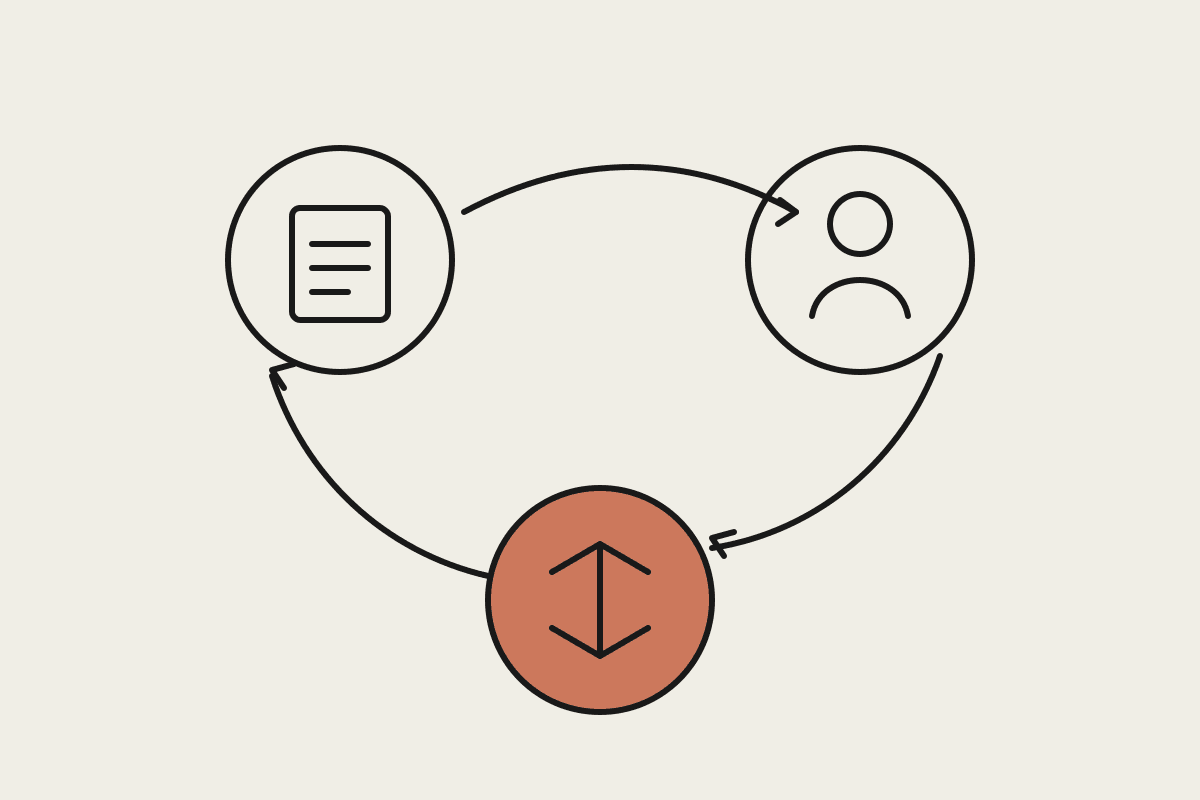
The most reliable version we use with Australian clients has three parts, run as follow-up prompts in the same conversation rather than a fresh one, so Claude retains the original brief.
Pass one: 'List every explicit requirement from my original instructions and confirm whether the draft meets each one.'
Pass two: 'Read this as a sceptical client or auditor would. What would they flag first?'
Pass three: 'Fix only the issues you found. Do not rewrite sections that already work.'
That last instruction matters. Left unconstrained, a critique-and-revise loop will rewrite good sentences along with bad ones, and you lose the parts that were already right. Telling Claude to fix only flagged issues keeps the revision tight and the diff reviewable.
Where this saves the most time
A Melbourne accounting practice applies this to client-facing emails drafted during tax season: pass one checks every figure mentioned matches the source spreadsheet, pass two checks tone against the firm's style guide, pass three applies only the fixes needed. What used to be a manual proofread averaging six minutes per email dropped to under ninety seconds of review time, because most of the checking now happens before a human ever sees the draft. Across roughly 400 client emails a season, that difference works out to around $3,800 in reclaimed staff time at the practice's average charge-out rate.
The same pattern works for job ads, proposal documents, board reports, and social captions. Anywhere a first draft has known failure modes, spell them out as the pass-two question and Claude will check for them consistently, which is more than can be said for a tired human doing the fortieth review of the week.
A worked example
A Brisbane logistics operator uses this for delivery incident reports. The prompt sequence: draft the report from a voice note transcript, then ask 'confirm the date, the consignment number, and the driver name all match the transcript exactly, and flag anything that sounds like an assumption rather than a stated fact.' On a sample of 40 reports, this caught six cases where a date or reference number had been inferred rather than transcribed correctly, the kind of small error that costs real time to unwind once it reaches an insurer.
Where the technique falls short
Self-critique is not a substitute for human sign-off on anything with legal or financial consequences. Claude checking its own work against a stated checklist catches drift and factual slips, but it will not catch a genuinely wrong instruction it was given in the first place, and it should never be the only review on a contract, a compliance filing, or a number that goes to the Australian Taxation Office. Treat it as raising the floor on draft quality, not replacing the person who signs off.
It also degrades if the checklist is vague. 'Check this is good' produces a shallow pass because there is nothing concrete to check against. 'Check every dollar figure matches the attached invoice, every date is in DD/MM/YYYY format, and no client name is misspelled' produces a pass Claude can actually execute. The quality of the critique is a direct function of how specific the second prompt is, which is worth remembering before writing it off as unreliable.
None of this requires a new tool or a subscription. It is two extra sentences in the same chat, and it is the difference between shipping a first draft and shipping a checked one. If your team is using Claude for anything client-facing and skipping the critique pass, that is the cheapest improvement available to you this week.