Every business with any real history has a scattered pile of institutional knowledge sitting in old emails, PDFs, internal wikis, and someone's head: how a specific process works, what the actual policy is on a particular edge case, why a client got a certain exception three years ago. New staff ask the same handful of questions repeatedly because that knowledge was never written down in a place anyone could actually find it, and the person who does know is constantly interrupted to answer the same thing again, often the same senior person every single time regardless of how small the question actually is.
Why a generic chatbot doesn't solve this
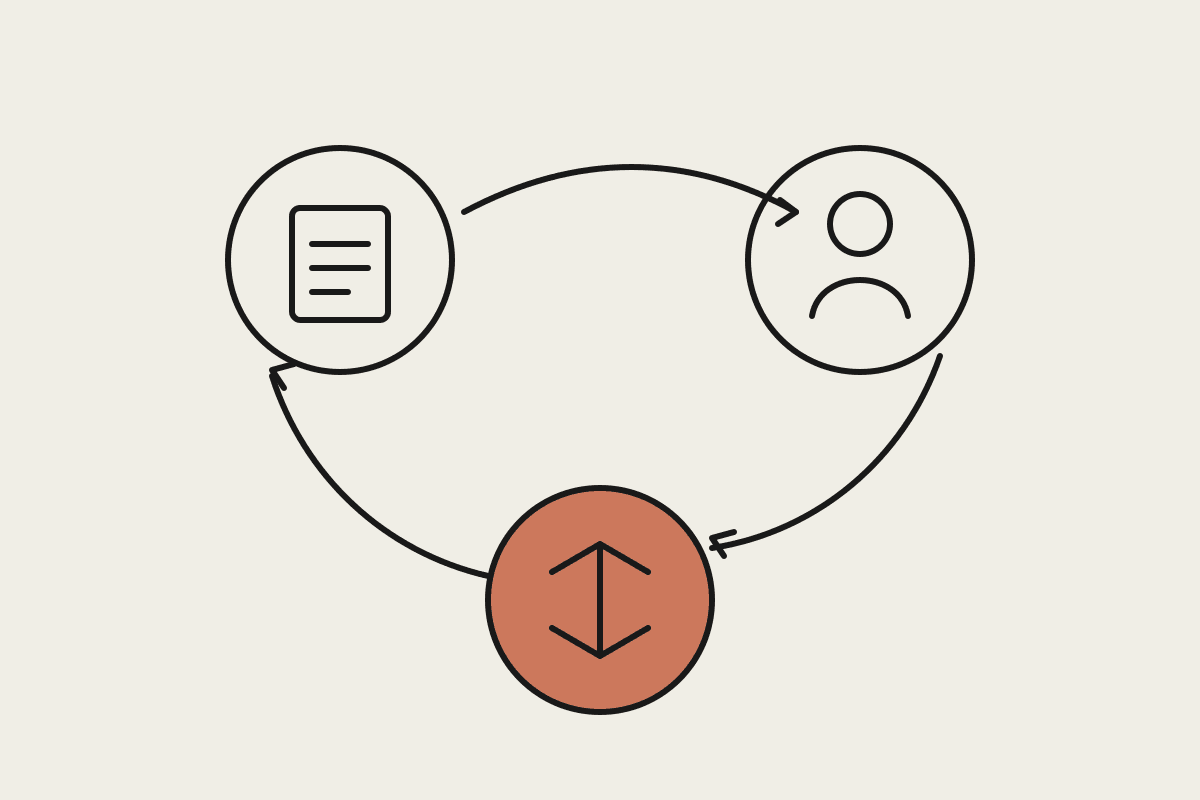
The instinct is often to bolt on a generic AI chatbot and point it at the company website, but that quietly solves the wrong problem entirely: customers and staff aren't usually stuck on questions your marketing pages answer, they're stuck on the internal detail that never made it onto a public page at all. What actually helps is an assistant that's read your real internal documents, your actual policy PDFs, your process wiki, your past decision emails, and can answer from that specific, sometimes messy, source material rather than from generic training knowledge that was never actually about your business in the first place.
Internal documents connected as a searchable source, not manually re-keyed into a separate knowledge base
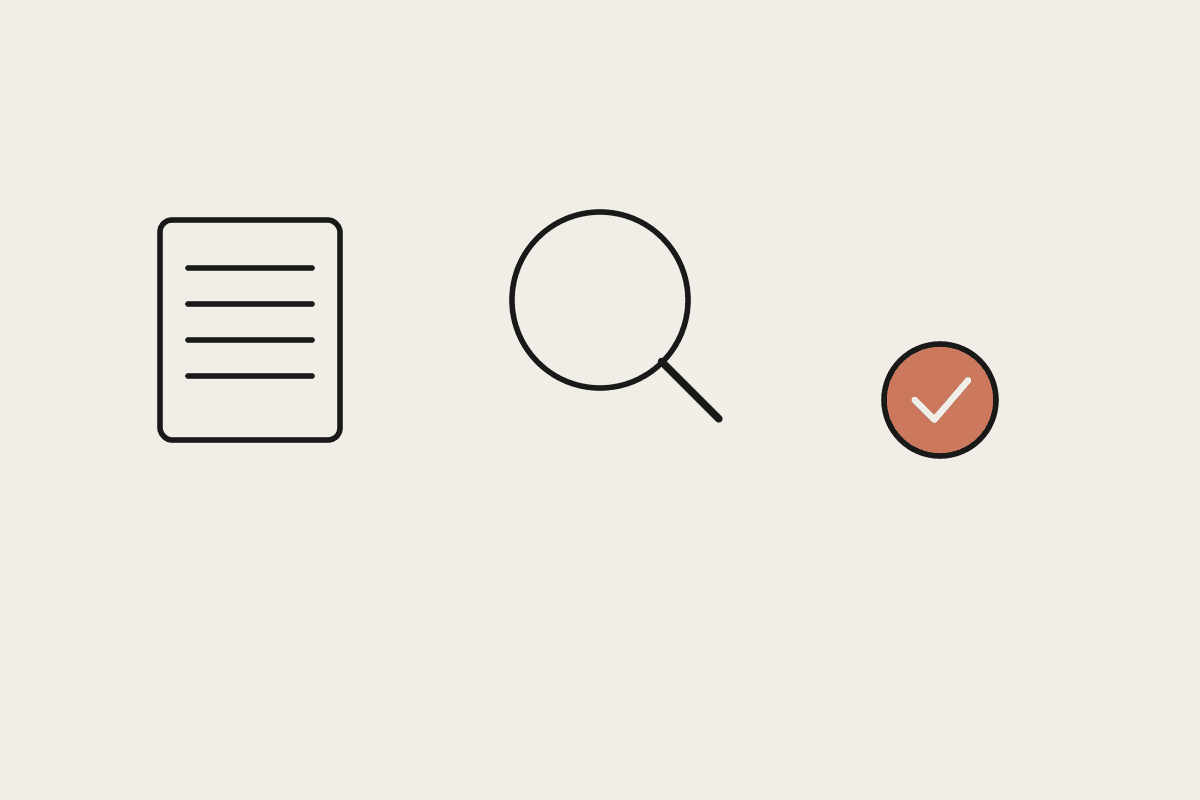
Answers that cite which document they came from, so anyone can verify against the source
A clear 'I don't know, here's who to ask' fallback for anything not actually covered in the documents
A log of unanswered questions, surfacing the genuine documentation gaps worth filling
Building this without creating a new source of wrong answers
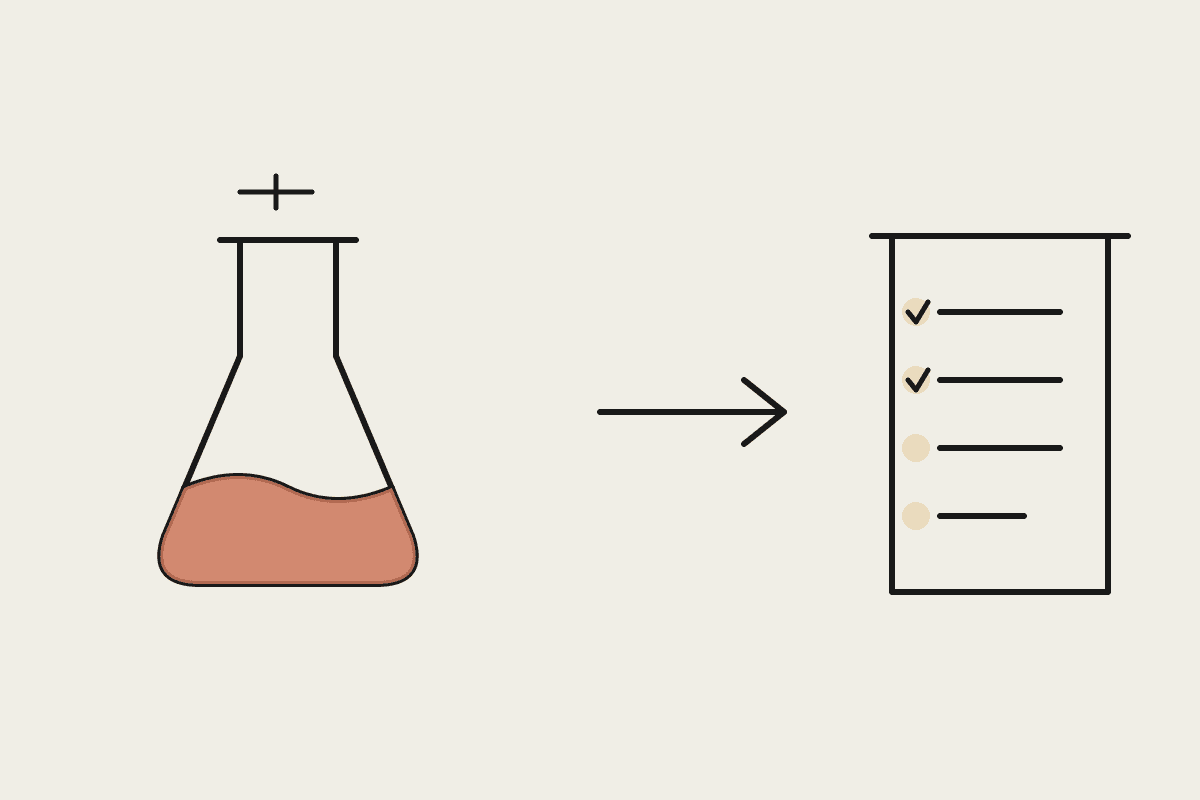
The failure mode worth designing against from day one, deliberately, is a confident-sounding wrong answer, which is worse than no answer at all because it looks just as authoritative as a correct one. The setup that works grounds every response in the actual retrieved document content, cites the source, and is explicitly instructed to say it doesn't know rather than extrapolate when the documents don't cover something directly. That discipline matters more here than in almost any other Cowork use case, because the whole value proposition depends on people trusting the answers enough to stop interrupting the person who used to field these questions.
A Melbourne professional services firm with 45 staff had a senior operations manager fielding an estimated 15 to 20 repeat questions a week about internal processes and policy exceptions, work that was genuinely valuable when it was a new or unusual question and pure friction when it was the same query for the fifth time that month. After connecting their policy documents and process wiki to a Cowork-based FAQ assistant with source citation built in, repeat questions to the operations manager dropped by roughly 60% within six weeks, freeing an estimated $19,000 a year of that manager's time for higher-value work, based on the hours reclaimed against their loaded cost.
Keeping the source documents themselves trustworthy
An FAQ assistant is only as good as what it's reading, and outdated policy documents sitting alongside current ones create a real risk of confidently citing something that's no longer true. Before connecting a document set, it's worth a genuine audit pass to archive anything superseded, because the assistant has no independent way of knowing a document is stale unless the source material itself, or its metadata, actually makes that clear.
Rolling this out to staff versus customers
An internal-facing version, aimed squarely at staff asking about process and policy, is a genuinely lower-risk starting point than a customer-facing one, because the audience already has context and is more forgiving of an occasional 'I don't know, ask so-and-so' response. Most businesses that get real value from this start internal, prove the pattern works reliably over a few weeks, and only extend to customer-facing questions once they've built genuine confidence in how the assistant handles ambiguous or edge-case queries.
What this isn't
This doesn't replace training for genuinely complex or judgement-heavy questions, and it shouldn't be treated as the first stop for anything client-facing without a human review layer sitting between the draft answer and the client, particularly if that answer carries real consequence. It's aimed squarely at the repetitive, well-documented internal questions that are currently interrupting someone who genuinely has better, higher-value things to do with that time.
Automata AI builds document-grounded FAQ assistants for Australian businesses drowning in repeat questions. If the same handful of questions keep landing on the same person's desk, get in touch via /contact.