Somewhere in most Australian small businesses there's a spreadsheet that's been passed between three or four people over a couple of years, each one adding their own column format, their own way of writing dates, their own inconsistent naming for the same category. Nobody wants to touch it because untangling it looks like a half-day job, so it just keeps growing messier while everyone works around it rather than fixing it, and the workaround itself, everyone privately double-checking the numbers they pull from it, quietly costs more over a year than the original fix ever would have.
What actually makes a spreadsheet unusable
It's rarely one big problem. It's a pile of small inconsistencies: dates stored as text in three different formats, the same customer name spelled four different ways across rows, merged cells that break any attempt to sort or filter, formulas that reference cells that got deleted two edits ago and now silently return errors nobody noticed. Individually each of these is trivial to fix. Collectively, in a 2,000-row sheet, they make the data essentially unusable for any real analysis, and worse, unusable in a way that isn't obvious at a glance, so people keep trusting numbers pulled from it well after it's stopped being reliable.
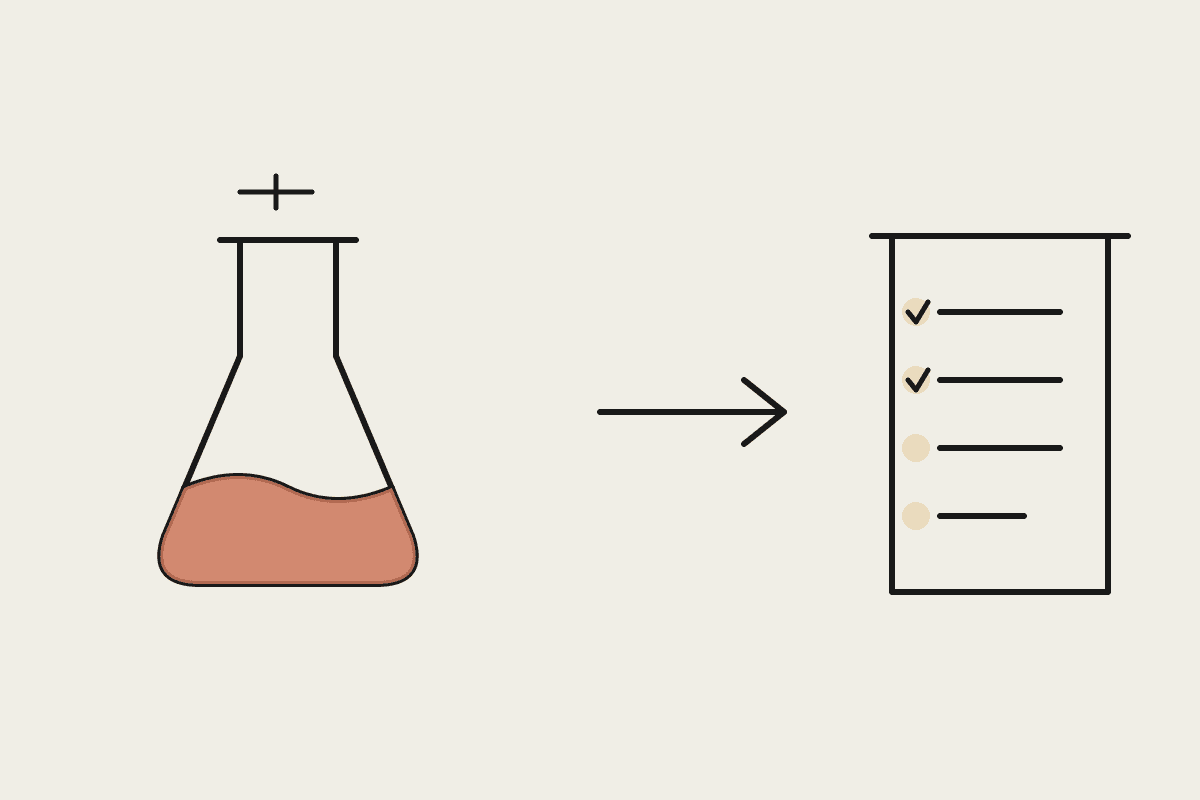
Inconsistent date and number formats standardised across the whole sheet
Duplicate or near-duplicate entries identified (same customer, different spelling) and flagged for a merge decision
Broken formulas and orphaned references caught and either fixed or flagged
A clean, consistently formatted version produced alongside the original, not overwriting it
How Claude actually approaches the cleanup
The productive way to use Claude here is to have it read the sheet, describe back what it finds wrong before touching anything, and then work through fixes in a way you can review rather than silently rewriting the whole file. That review step matters because spreadsheet cleanup decisions are sometimes genuinely judgement calls: are 'ACME Pty Ltd' and 'Acme Ltd' the same customer or two different entities that happen to share a name. Claude will flag the ambiguous ones rather than guessing, which is exactly the behaviour you want when the data feeds into invoicing or reporting.
A Sydney events company had a supplier contact spreadsheet that had grown to around 800 rows over four years, with duplicate entries, inconsistent phone formats, and at least a dozen suppliers listed twice under slightly different names. Untangling it by hand had been quoted internally as a solid day's work, which is exactly why it never got scheduled. Working through it with Claude took under two hours, most of which was the owner reviewing the dozen genuinely ambiguous merge decisions rather than doing the mechanical cleanup itself.
Doing this safely with data that matters
Always work from a copy, never the live file, and treat anything Claude flags as ambiguous as a real decision point rather than something to wave through quickly. For sheets that feed directly into invoicing, payroll, or reporting, it's worth a second pass checking a sample of the cleaned rows against the original before trusting the output completely, particularly the first time you run this kind of cleanup on a given sheet. After a couple of clean runs on the same type of sheet, that verification pass typically gets faster as trust in the process builds.
What a messy spreadsheet actually costs
The Sydney events company mentioned above had, before the cleanup, sent an event quote to a duplicate contact record with an outdated price still attached, a mistake traced back directly to the messy spreadsheet, which cost the business an estimated $2,800 in discounting they had to honour to avoid an awkward client conversation. That's a small, specific example of a much more common pattern: messy reference data doesn't just waste time, it occasionally causes a genuine, costed mistake that a clean sheet would have prevented.
Where this fits into a bigger automation picture
A one-off cleanup is useful on its own, but the businesses getting the most value treat it as the first step before setting up an ongoing Cowork connector that keeps the same sheet, or the system it eventually replaces, consistent going forward rather than letting the mess accumulate again over the next two years. Cleaning a spreadsheet once and then continuing the same loose data entry habits just delays the next cleanup, it doesn't prevent it.
Automata AI helps Australian small businesses both with one-off spreadsheet cleanups and with the ongoing data-hygiene automation that keeps a clean sheet clean. If you've got a spreadsheet everyone's afraid to touch, get in touch via /contact.