Most Australian owner-operators start the day the same way: a full inbox and no clear plan for it. Sixty new messages, three that actually matter, and forty minutes lost working out which is which. Inbox triage by agent changes that order of operations. Instead of reading every email to decide what deserves attention, you hand the sorting to Claude and open a ranked shortlist of what needs you today.
What inbox triage by agent means
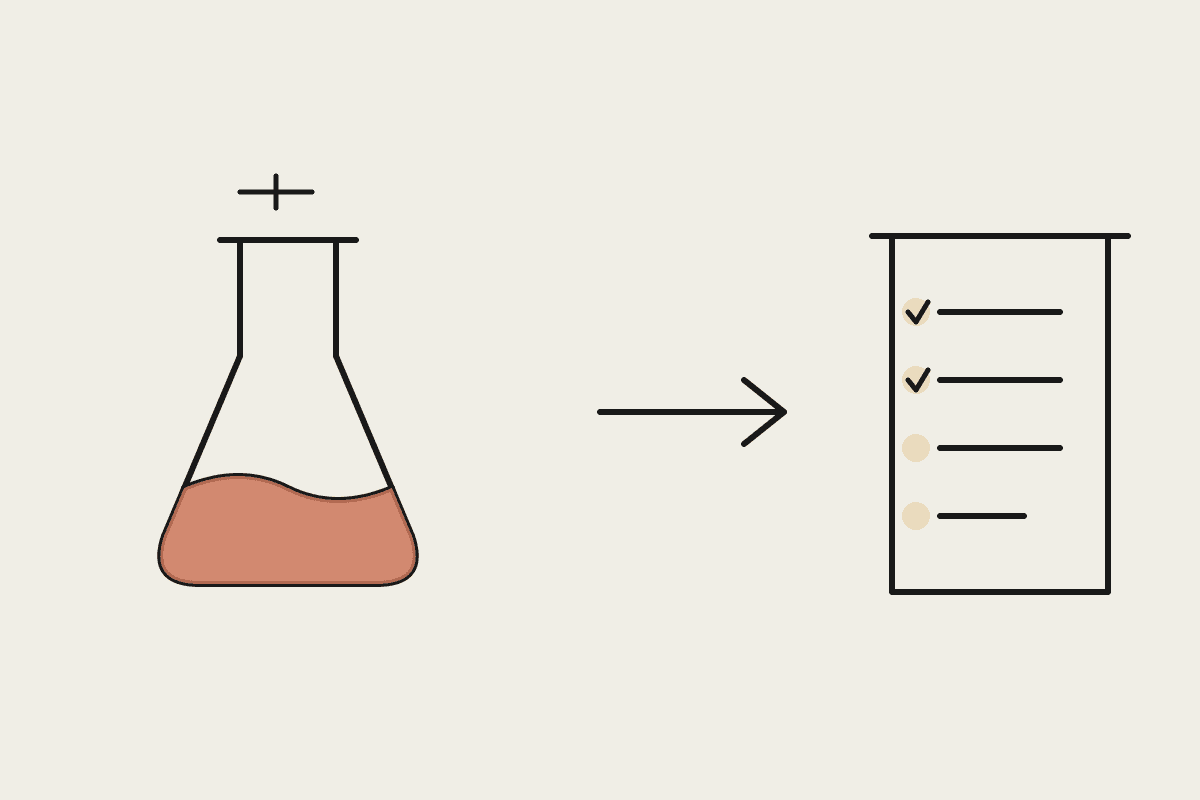
Triage is the sorting step, not the replying step. An agent reads each new message, works out what it is and how urgent it is, then groups it so you see the important few first. Claude can run this as a scheduled task each morning, or on demand when you sit down after a run of meetings. The output is a short brief: who needs a decision, what is waiting on a payment, which supplier is chasing, and what can safely wait until Friday.
Nothing gets sent without you. Triage is about deciding, and you stay the one who decides. Claude does the reading and the ranking so your attention lands where it earns its keep. That distinction matters: a filter blindly files mail by rules you set months ago, while an agent reads the actual content and reasons about it the way a sharp assistant would.
What a cluttered inbox actually costs
Email is the tax nobody budgets for. Studies of knowledge work routinely put time spent reading and answering email at around a quarter of the working week. For an owner-operator billing at $180 an hour, one hour a day lost to inbox sorting is roughly $45,000 of chargeable time a year that never makes it onto an invoice. Even at half that rate, the number is hard to ignore.
The cost is not only the minutes. It shows up as:
Missed windows: a quote request that sat unseen for two days while a competitor replied in two hours.
Decision fatigue: the best thinking of the day spent triaging spam instead of pricing a job.
Dropped threads: a supplier query buried under newsletters, surfacing only once it becomes a problem.
Weekend creep: the inbox followed home because it never got cleared during the week.
A Sydney trades business or a small consultancy feels this most acutely, because the person clearing the inbox is usually the same person who could be winning the next job. The hour is not just expensive. It is the wrong hour to be spending on admin.
How the workflow runs day to day
A working setup looks less like software and more like a standing instruction. You tell Claude what matters to your business once, and it applies that judgement every morning.
Connect the inbox: Claude reads new mail through your existing email account, with no separate system to log into.
Set the rules in plain English: anything mentioning an invoice or overdue payment is top priority, recruiter spam goes to the bottom, and named clients get surfaced first.
Get the morning brief: a ranked list with a one-line summary per thread and a suggested next step.
Approve the actions: where a reply is obvious, Claude drafts it in your voice and waits for you to read, adjust, and send.
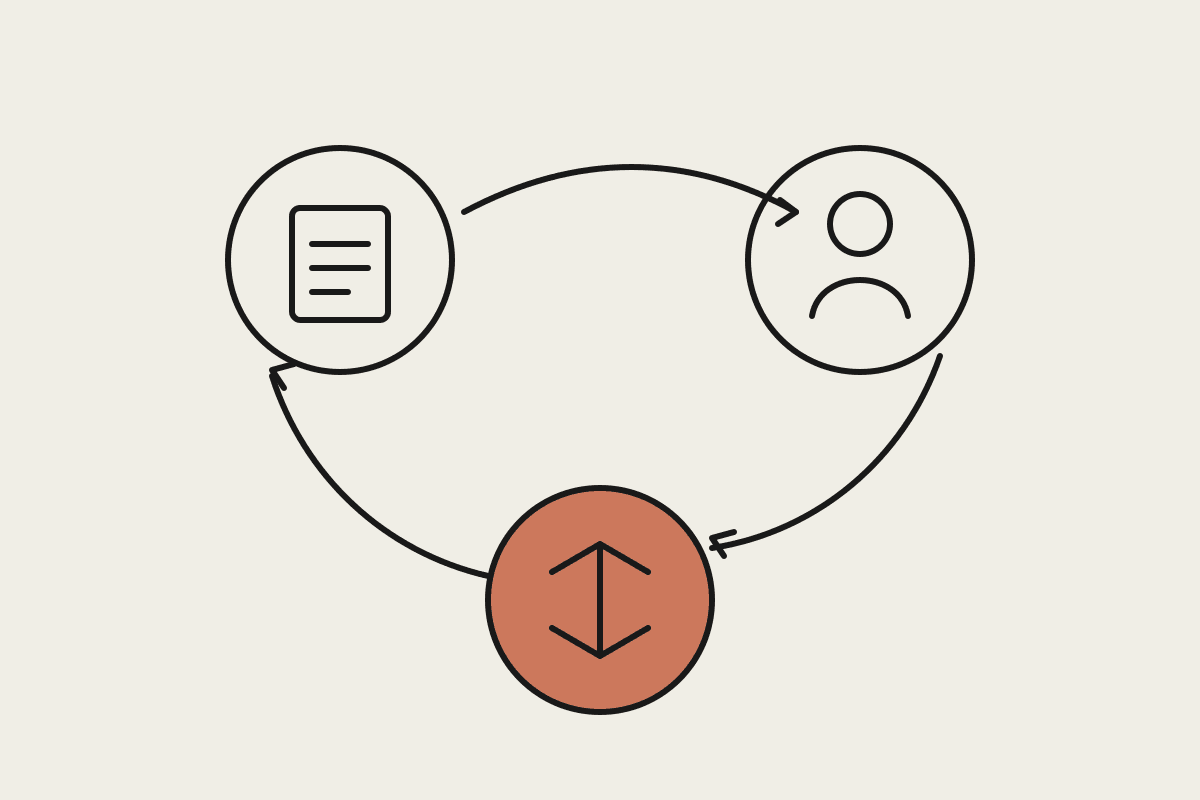
The rules improve as you correct them. Tell Claude once that a particular newsletter is worth reading and it remembers. Flag a client whose emails always jump the queue and that sticks too. This is closer to training a new assistant than configuring a mail filter, and it gets sharper the more you use it. Run it on a schedule and the brief is waiting before your first coffee, which turns triage from a task you dread into something that has already happened.
Privacy, and keeping it on the right side of the rules
Email holds some of the most sensitive information a business touches: client details, bank references, signed contracts. Under the Privacy Act, an Australian business stays responsible for how that information is handled, including by any tool it uses. Two things matter here.
First, when Claude is used through Anthropic's commercial terms, your business data is not used to train a public model, so your emails are not feeding anyone else's system. Second, triage is a read-and-rank job by default. The agent is not firing off replies or moving money on its own initiative. A Melbourne accounting firm handling client tax records needs that line drawn clearly, and it should be: the agent proposes, a person disposes. Keep the send button human and most of the risk goes away.
For a founder, the win is not a tidier inbox. It is getting the first ninety minutes of the day back for the work only you can do. Start small with one morning brief, one set of rules, and one week of correcting the agent until the ranking matches your instincts. If you would like a hand setting it up for the way your business actually runs, book a brainstorm and we will map it out together.