The Model Context Protocol, the open standard behind how Claude connects to your tools and data, just shipped its fifth and most significant spec release. MCP has passed 400 million monthly SDK downloads, a fourfold increase this year, and has become the de facto standard for wiring AI agents into business systems. The July 2026 update, MCP 2026-07-28, changes three things that matter if your business runs, or is considering building, a custom MCP server.
What actually changed
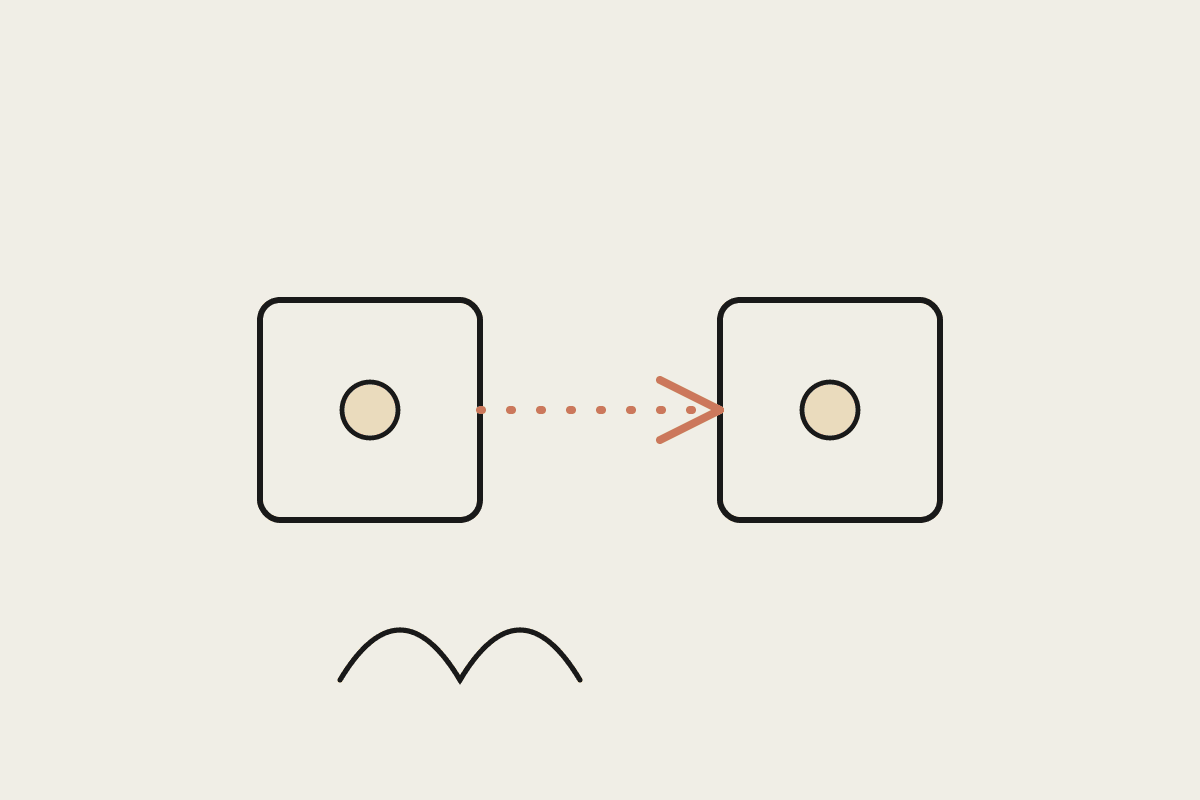
Stateless core: MCP moves from a bidirectional, stateful protocol to a request/response model, which means MCP servers can now run on serverless and edge infrastructure instead of requiring an always-on connection.
Standardised extensions: MCP Apps and Tasks now ship under a versioned extensions framework, giving developers a formal, stable path to add interactive UIs and long-running work without breaking the core protocol underneath.
Auth hardening: authorisation now aligns with production OAuth 2.0 and OIDC deployments, so an MCP server can connect to enterprise identity systems like Entra or Okta without custom workarounds.
Why the stateless change matters most for smaller teams
For a business running its own MCP server, say a custom connector into an internal database, a CRM, or a line-of-business system, the old stateful requirement meant paying for always-on infrastructure just to keep a connection alive. A stateless, request/response model means that same integration can run on cheap serverless infrastructure, scaling to zero when nobody's using it. For a small Australian business, that's the difference between a server costing real money to babysit around the clock and one that costs close to nothing outside actual use.
What this means if you're evaluating a custom Claude integration
If your business has been holding off on a custom MCP connector because self-hosting looked like an ongoing infrastructure commitment, this spec update removes a chunk of that overhead. The auth hardening also matters if your data lives behind enterprise identity systems: standard OAuth 2.0/OIDC support means fewer custom auth workarounds to build and maintain, which is usually where a meaningful share of a connector project's cost sits.
It's also worth thinking about this alongside data-handling obligations. A Sydney or Melbourne business connecting Claude to systems that hold customer data still needs to think through Privacy Act obligations regardless of hosting model, but a stateless server that only spins up on request has a smaller attack surface than one sitting always-on, which simplifies part of that conversation.
Practical next step
If you've been running an internal MCP server since before this update, it's worth a short technical review to see whether migrating to the stateless core is worth the hosting cost saving. If you've been considering a custom connector and infrastructure overhead was the sticking point, that objection is smaller than it was a week ago.
What a first connector actually costs
For context on scale: Automata AI builds custom MCP connectors for Australian businesses starting from roughly $3,500 AUD for a first integration, covering the connector itself, authentication, and a working demonstration against your actual system rather than a sandbox. The stateless spec update doesn't change that starting price much on its own, but it does reduce the ongoing hosting line item that used to sit underneath it, which matters more the longer the connector stays in production.
A quick checklist if you're running MCP today
Check whether your current server is stateful (always-on connection) or already built against the newer request/response model.
If stateful, estimate what you're actually paying to keep it running 24/7 versus your real usage pattern.
If you connect to enterprise identity (Entra, Okta, or similar), confirm your auth flow lines up with standard OAuth 2.0/OIDC rather than a custom workaround that will need maintaining separately.
If you've been waiting on infrastructure cost to greenlight a connector project, revisit that business case now the stateless core is available.
None of this requires an immediate migration. Existing stateful MCP servers keep working, and the spec update is additive rather than a breaking change for most integrations. The value is in knowing the option exists before your next infrastructure renewal or budget cycle, rather than discovering it after you've already re-signed a hosting contract sized for an always-on server you no longer need.
Why 400 million downloads matters more than the version number
A protocol update is only worth paying attention to if the protocol itself has staying power, and MCP's adoption curve is the part of this story that's easy to miss under the technical detail. Passing 400 million monthly SDK downloads, a fourfold increase in a single year, means MCP has moved well past the experimental phase most integration standards spend years stuck in. For an Australian business weighing whether to build on MCP versus a proprietary connector framework tied to one vendor, that adoption curve is the more durable signal than any single spec release. Standards that reach this kind of scale tend to keep receiving backward-compatible updates rather than breaking changes, which is exactly the pattern this release follows.
Automata AI builds custom MCP connectors for Australian businesses. Book a brainstorm session to talk through what a stateless MCP connector could look like for your systems.