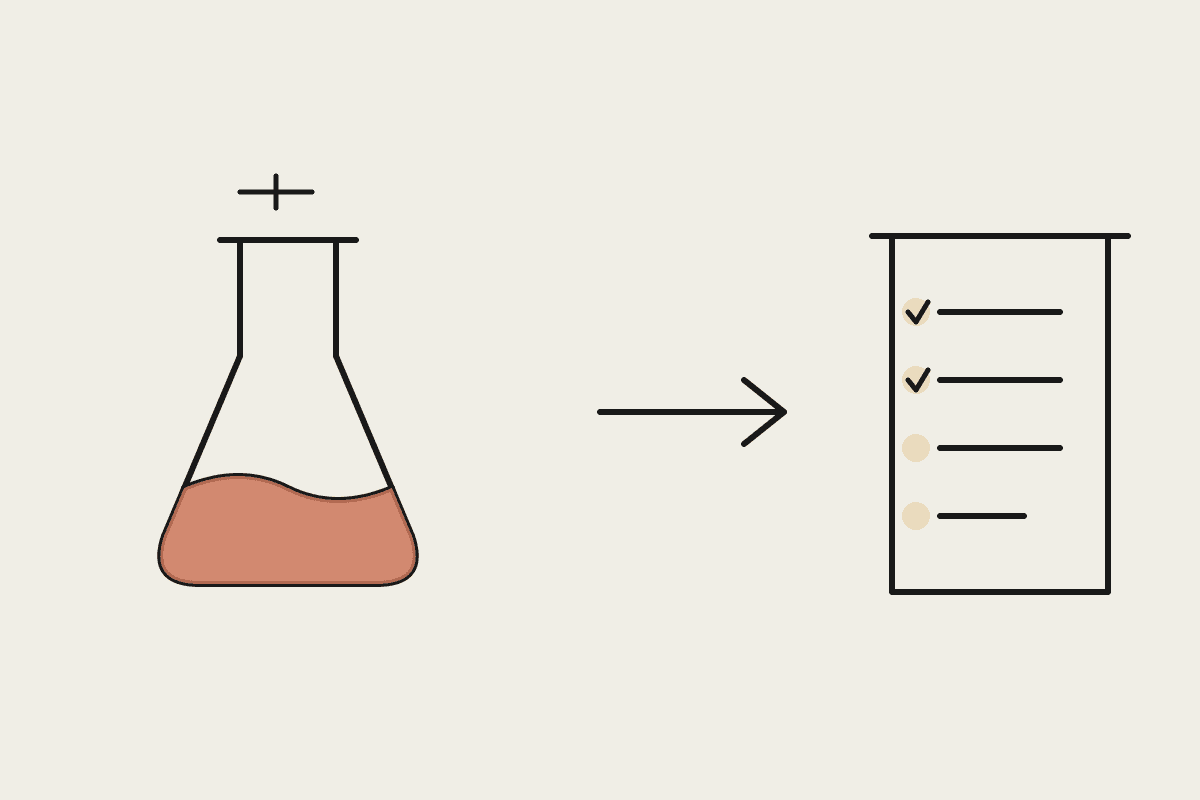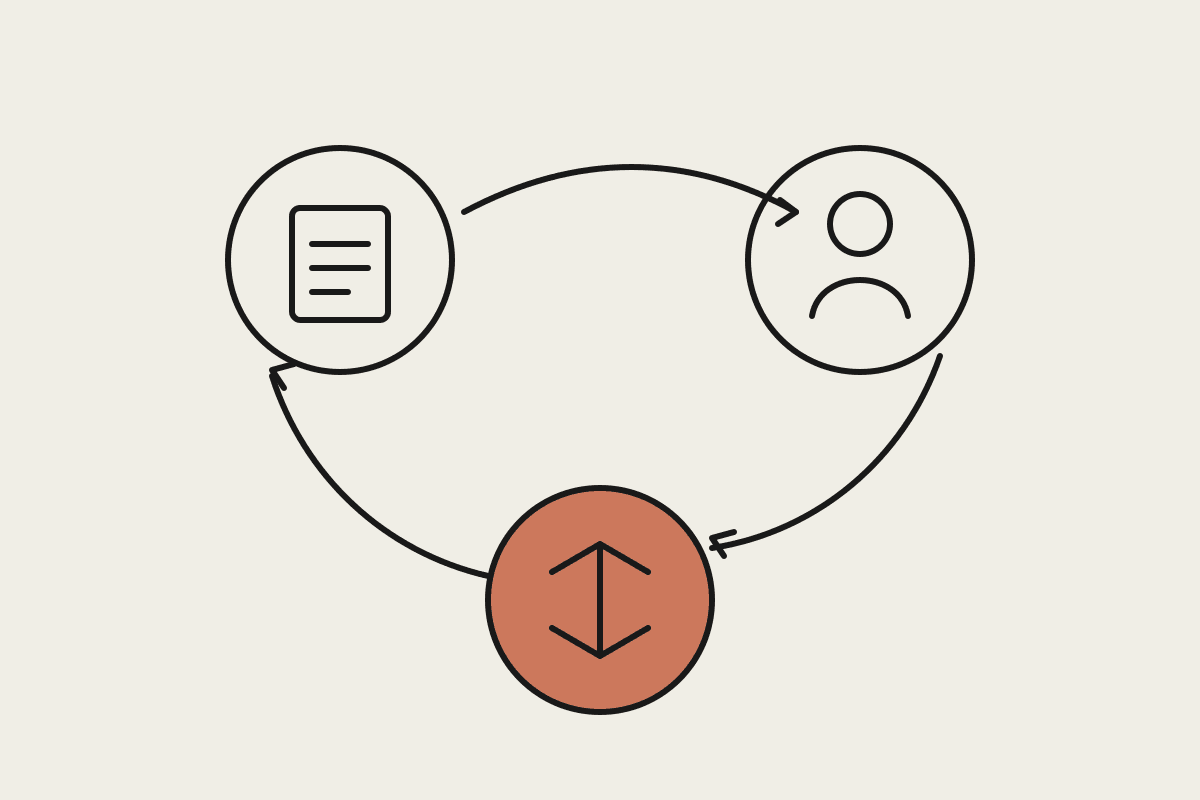
Notion AI and Claude get compared as if they compete for the same job. They mostly do not. Notion AI lives inside your workspace and helps you write, summarise and organise the pages already sitting in Notion. Claude, especially through Cowork, is an agent that goes out, does multi-step work across your actual tools, and comes back with a finished result.
What Notion AI is genuinely good at
If your team already lives in Notion for docs, wikis and project tracking, Notion AI is a convenient, low-friction way to draft a page, tighten a paragraph, translate a status update or summarise a long meeting note without leaving the app. It is fast, it is embedded, and for teams whose entire workflow already sits inside Notion's databases and pages, it removes a lot of small daily friction.
Where it runs out of road is anything that needs to reach outside Notion. It cannot log into your accounting software, check an email inbox, pull a report from a CRM or complete a multi-step task that spans several tools. It is a very good in-document assistant. It is not an agent.
What Claude does that Notion AI cannot
Connects to email, calendars, accounting software, CRMs and shared drives, not just one workspace
Runs multi-step tasks unattended, like drafting and scheduling a week of reports, not single in-line edits
Holds and applies business-specific context (your voice, your numbers, your clients) across every tool it touches
Works from outside Notion entirely for businesses that do not use it as their system of record
The real decision
The question is not 'which one is smarter'. Both are built on capable models and both write well. The question is whether your bottleneck lives inside a single document (draft this page better) or across a workflow that spans several systems (pull the numbers, write the report, flag the anomaly, get it to the right person). Notion AI solves the first. Claude, particularly with Cowork's connectors, solves the second.
A Melbourne professional services firm we spoke with kept Notion AI for what it is good at, quick internal doc polish, and moved their actual client-facing workflow (intake forms to CRM to a drafted engagement letter) onto Claude entirely, because that workflow touched four separate tools Notion AI simply cannot reach. Running both side by side is common and sensible, not wasteful.
A practical way to decide
List the last five tasks that ate real time this month. If most of them started and ended inside a single Notion page, Notion AI earns its subscription. If most of them involved copying information between two or more tools, an agent that can actually operate across those tools is doing a fundamentally different job, and no amount of in-document AI polish substitutes for that.
For most growing Australian SMBs, the honest answer is both, used for different things, not a single winner. The mistake is expecting a page-level writing assistant to solve a cross-system workflow problem, or paying for a full agent platform when all you actually needed was better in-line editing.
What this costs to get right
Notion AI is bundled into existing Notion plans from around $12-$20 a user per month, cheap enough that most teams already using Notion do not need to think hard about it. A Claude Cowork setup that actually connects your email, accounting software and CRM into a working agent typically runs $3,000-$7,000 to set up properly, plus a monthly usage cost, a genuinely different investment aimed at a genuinely different problem.
The mistake we see most often is a business spending months trying to force Notion AI to do agent-style, cross-tool work it was never built for, out of reluctance to take on a second tool. That reluctance usually costs more in wasted staff hours than the second subscription would have.
Running both without the overlap feeling wasteful
Set clear lanes: Notion AI for polishing anything that starts and stays inside a Notion page, and Claude for anything that needs to touch a system outside Notion or run as a multi-step task without someone babysitting each step. Teams that draw this line early avoid both the frustration of an in-document tool failing at agent work, and the cost of paying for full agent capability to do simple text editing.
If your team's real bottleneck is chasing information across email, a CRM and a shared drive rather than tidying a single page, that is the signal an in-document assistant will not fix it. Happy to walk through your actual workflow and tell you honestly which side of that line you sit on before you spend anything.