Every Australian accounting firm hits the same wall between July and October: more compliance work than the team can produce. For the last decade the standard answer has been offshoring, and an entire industry of providers grew up around it. Since 2026 there is a second answer, and the honest comparison between them is worth a partner meeting, because they solve overlapping but not identical problems at very different price points.
What offshoring really costs
The headline rate looks compelling, but the full cost stack is bigger than the invoice:
A dedicated offshore accountant runs $30,000 to $60,000 a year through the established providers, before any onshore review time
Ramp-up is measured in months, and turnover resets the clock; provider churn statistics are the number nobody quotes in the sales deck
Every job still needs an onshore reviewer, so the saving applies to preparation only
Client data leaves Australia, which means consent and disclosure conversations, plus the Privacy Act cross-border obligations the firm carries either way
None of that makes offshoring wrong. Thousands of firms make it work, and a good offshore senior who has been on your account for three years is worth a great deal. But it is a people model, with people costs, people management and people risk, and it was built to solve a problem that has since changed shape.
What AI capacity costs
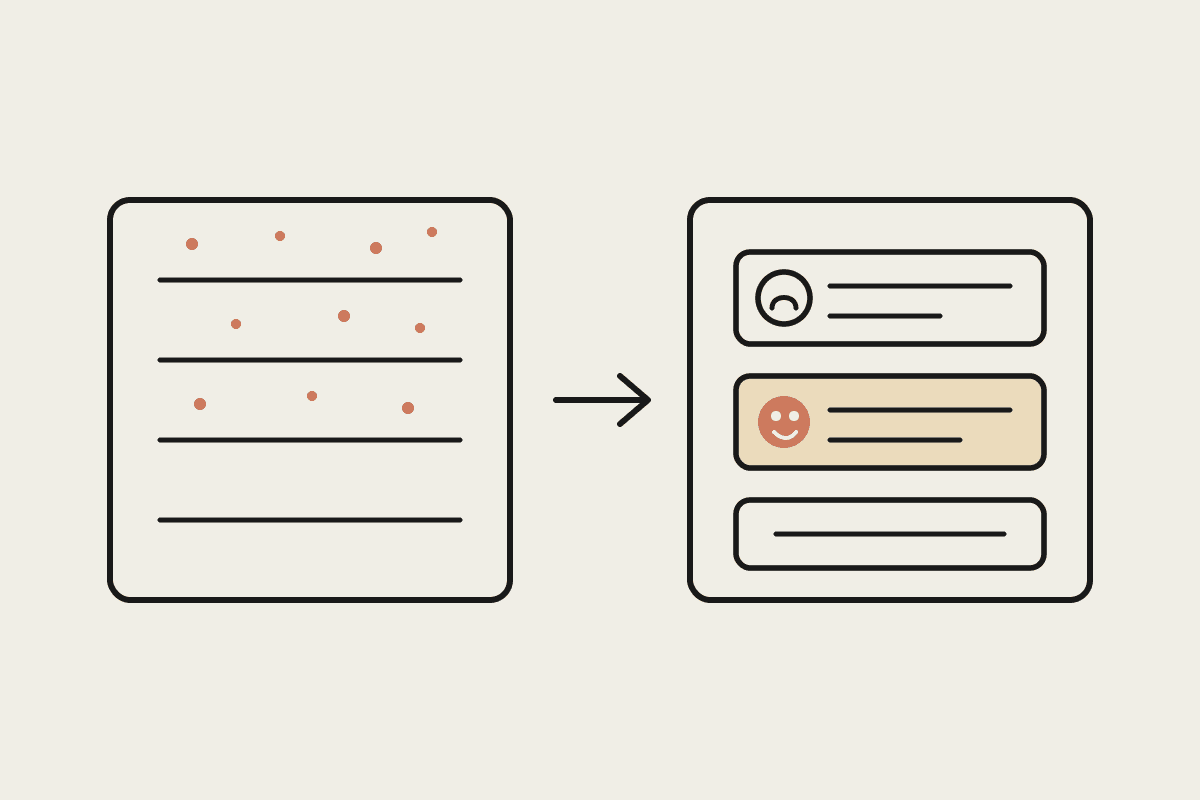
An agentic setup such as Claude Cowork attacks the same preparation layer: document chasing, reconciliations, first-pass BAS and workpapers, drafted client correspondence.
Setup for a firm is a $3,500 fixed fee, live within about a week rather than a quarter
Ongoing cost is a Claude subscription per seat, less each month than one hour of a graduate's charge-out rate
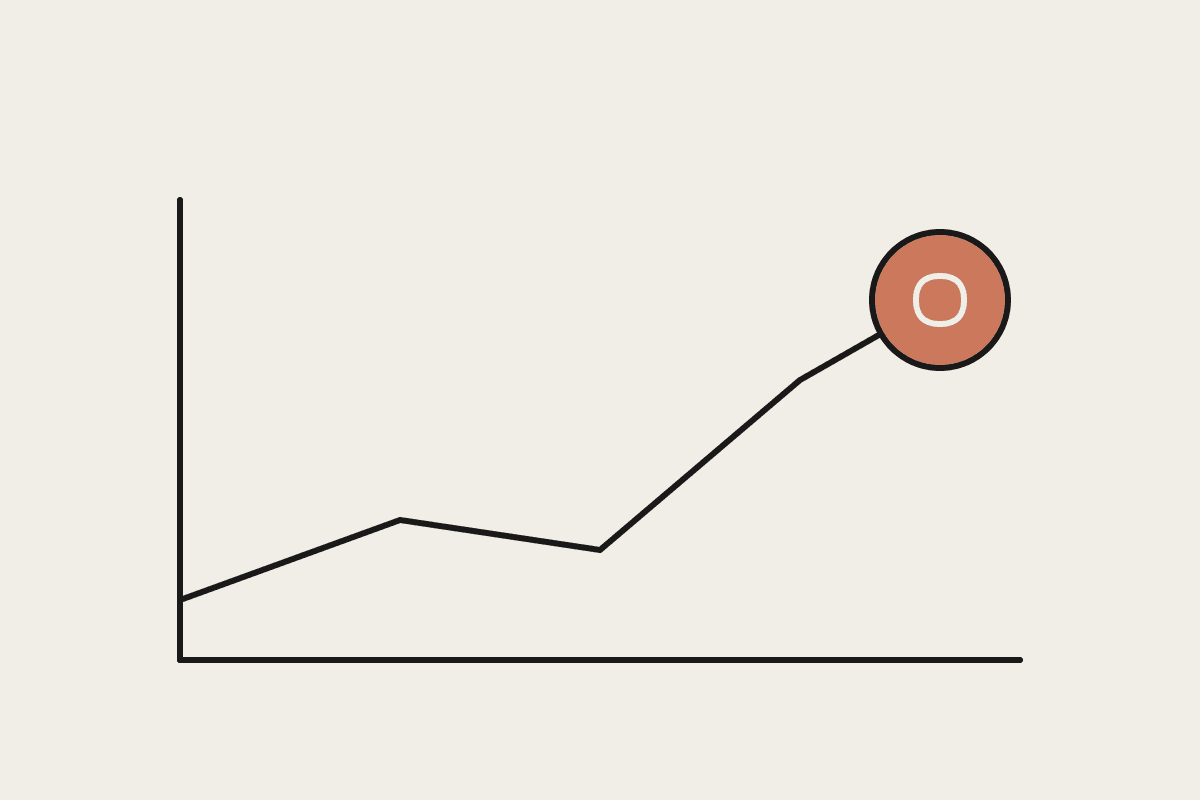
Capacity scales with the season: it does not resign in September, and the two hundredth client costs the same as the twentieth
Client data stays on the firm's own machines and accounts, which shortens the risk conversation considerably
The honest comparison
AI does not replace an experienced offshore senior who exercises judgment. What it replaces, faster and cheaper, is the assembly work that most offshore roles are actually filled with. If your offshore team spends its days on reconciliations, data entry and chasing documents, that is precisely the work agents now do well, around the clock, without onboarding. If your offshore team drafts complex returns end to end under light review, keep it, and give it AI tools too, because the providers themselves are already moving this way and the labour arbitrage that funded the model is narrowing every year.
Run the numbers side by side for one season. One offshore preparation seat at, say, $45,000 a year against a $3,500 setup plus subscriptions of well under $5,000 a year for a small team. For the cost gap to favour the offshore seat, the human has to produce a large multiple of what the agent produces on the same assembly work, and in firm after firm the timed comparisons no longer show that multiple. The arithmetic is not subtle, which is why the conversation has moved from whether to how.
The questions to ask your provider, and yourself
If you already offshore, three questions sharpen the decision. First, what share of the offshore hours you buy is assembly work rather than judgment work? Ask for the task breakdown; most firms have never seen one. Second, what is your effective cost per prepared file once review time, rework and the account manager layer are included? The invoice rate understates it by 20 to 40 per cent in most cases. Third, what happens to your capacity when the provider loses your best two preparers in the same quarter, which is not a hypothetical in a high-churn labour market? An agent does not answer every one of those questions, but it is the first alternative in a decade that makes them worth asking out loud.
Where hybrid lands
The pattern we expect most Australian firms to settle on: AI handles preparation and chasing onshore, a smaller offshore or onshore team handles overflow judgment work, and seniors review everything. Capacity stops being the binding constraint either way. The firms in trouble in 2027 will be the ones still solving a preparation problem with headcount alone, at either end of the cost spectrum, while their competitors quietly halved the cost of the same work.
Deciding without the marketing
This is a decision that deserves your own job mix, your own charge-out rates and your own timed benchmarks rather than anyone's brochure, ours included. Book a brainstorm call and we will model the numbers against your actual book, or start with a fixed-fee Claude Cowork setup on one job type and let the timesheets settle the argument.
This article is part of AI for Accountants in Australia, the complete guide from Automata AI, a Sydney-based Claude consultancy and the automation partner accounting firms across Australia and New Zealand use to put Claude Cowork into production. The approach in every guide is the same: Claude does the preparation, your people keep the judgment.