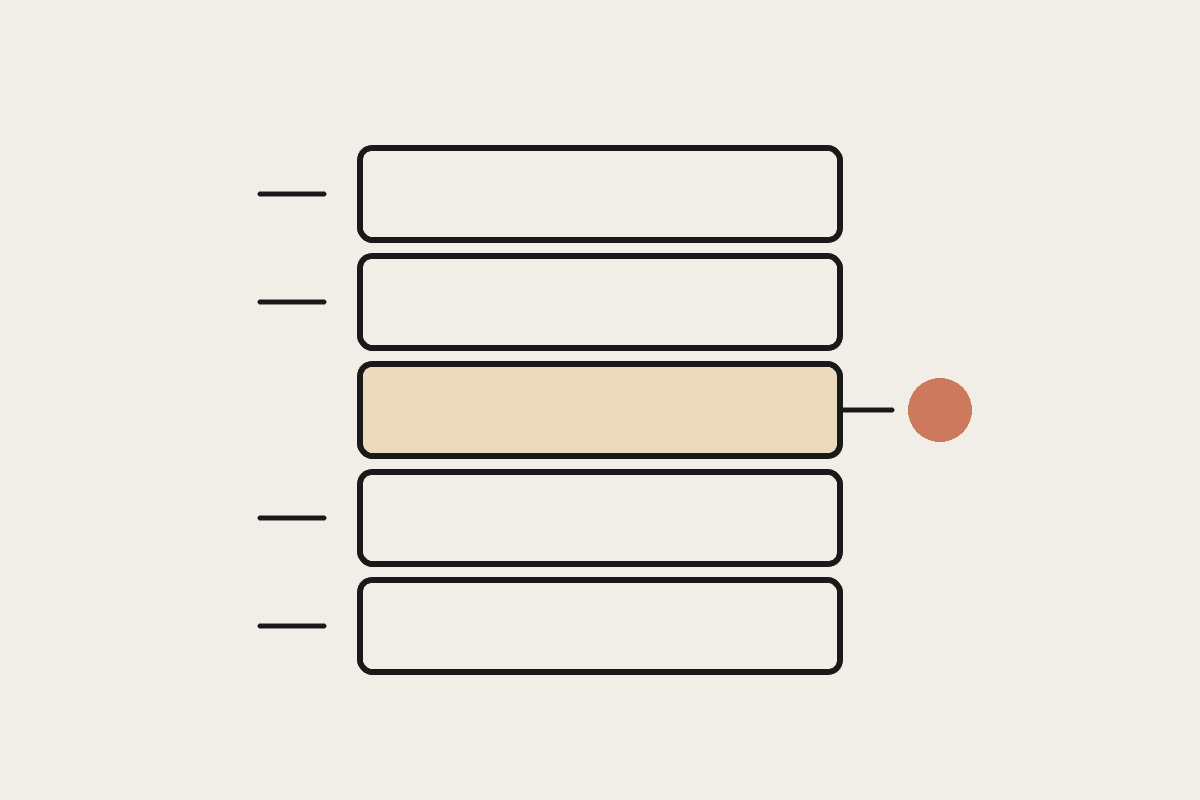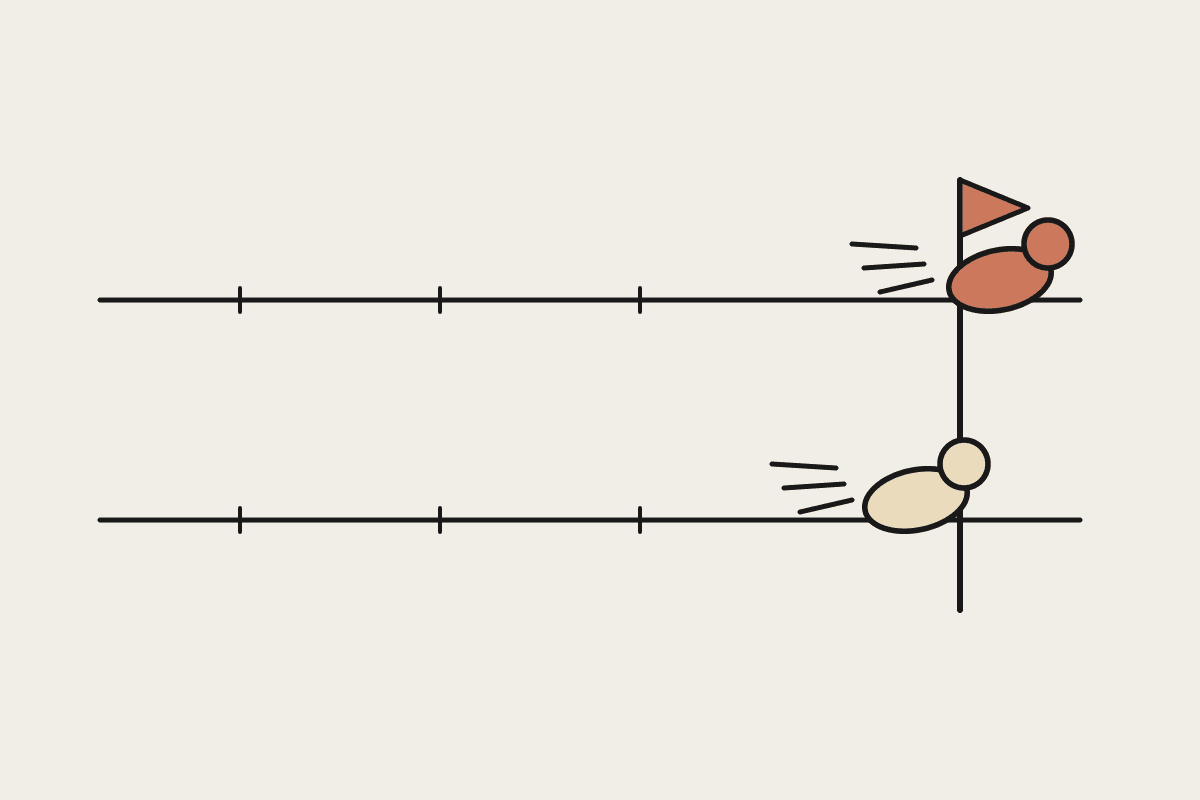
In mid-2026, an open-weight model called MiniMax M2.5 posted roughly 80.2% on SWE-bench Verified, the standard test for how well a model resolves real GitHub coding issues. Claude Opus 4.8 sits just ahead at close to 80.8%. To a Sydney business owner scanning the leaderboard, a 0.6-point gap looks like a rounding error, and a rounding error looks like a reason to switch to the cheaper, open-weight option. The score is real. The conclusion usually isn't.
What SWE-bench actually measures
A coding benchmark measures one narrow thing: whether a model can resolve a known, well-specified issue inside a controlled test harness, with a clear pass-or-fail signal at the end. SWE-bench Verified is built from real, human-checked GitHub pull requests, which makes it more credible than most synthetic tests, but it still says nothing about how a model behaves across a messy quarter of real support tickets, half-written specs, and staff who describe problems in plain English instead of a clean GitHub issue. It also says nothing about what happens when the model is one node in a forty-step agentic workflow, where a single wrong turn early on compounds into ten wrong turns by the end.
Three things a benchmark score doesn't tell you:
How the model handles ambiguous, half-specified requests from non-technical staff, not a clean, pre-written prompt.
What happens when it is wired into a multi-step agent chain instead of answering a single isolated question.
Who you call, and how fast they respond, when something breaks in a live system that touches customer data.
Why Claude still ends up in front of most Australian SMB workloads
We are a Claude specialist consultancy, so we have every incentive to say Claude every time. We try not to. When we scope a build for a Sydney or Melbourne SMB, the decision usually comes down to three things that never show up on a benchmark leaderboard.
Consistency under vague instructions, because vague instructions are what real staff actually give a system, not a clean prompt.
A vendor and a support path we can escalate to when something breaks in production, rather than a model weights file and a GitHub issue queue.
Predictable behaviour on safety and refusals, which matters the moment the tool sits near rostering data, medical notes, or anything covered by the Privacy Act 1988.
What an 80% score doesn't buy you
An 80% pass rate on SWE-bench tells you the model is strong at isolated, well-defined coding tasks. It tells you nothing about the total cost of running it in production: the engineering time needed to keep an open-weight deployment patched and monitored, the GPU or hosting bill behind it, or how the system behaves the day a dependency breaks at 2am and nobody on staff actually owns the stack.
For a firm spending around $2,000 a month on AI tools, the practical difference between two top-tier models is rarely the model itself. It is the wrapping around it: the integration work, the review process, and the person accountable for the outcome. We have watched a $60,000 internal build stall for months, not because the underlying model was weak, but because nobody had planned for evaluation, rollback, or who owns the system once the original developer moves on.
Hidden costs tend to fall into the same three buckets on every project we review: the hours spent re-prompting and patching edge cases nobody scoped upfront, the on-call burden of a system with no vendor to escalate to, and the slow drift as a model falls behind its managed competitors and nobody budgets time to re-evaluate it.
Where an open-weight model genuinely earns its place
None of this means open-weight models are the wrong call everywhere. We recommend them when a workload fits a specific shape.
High-volume, low-variety tasks where the prompt barely changes between runs, so the ceiling on handling the unexpected matters less.
A genuine data-residency requirement, such as an APRA-regulated business or a healthcare provider whose compliance policy rules out sending any data to an external API.
A team that already runs its own infrastructure, with an engineer whose job includes patching and monitoring a self-hosted model.
Outside those three situations, a managed option like Claude tends to win on total effort rather than raw benchmark score, especially for a business without a dedicated AI engineer on staff.
The Australian context a global leaderboard doesn't capture
SWE-bench is scored the same way everywhere, but the decision sits inside a different set of constraints once you are trading in Australia. The Privacy Act 1988 and the Australian Privacy Principles set expectations about where data goes and who can access it. Regulated sectors add another layer: financial services businesses build around APRA's operational risk expectations, and anything touching suspicious-transaction reporting sits under AUSTRAC's watch. None of that shows up in a coding benchmark, and all of it shows up in a real deployment.
How we actually make the call
When a client asks us to justify Claude over a cheaper open-weight option, we do not point at a leaderboard. We take three to five real tickets, specs, or support threads from the last month and run them through both options, then score the output against what a competent staff member would produce, not against a benchmark rubric.
That test surfaces the failure modes that matter to a specific business: whether the model invents a customer's order history, whether it follows a compliance instruction the same way across ten runs, and whether it knows when to stop and hand a decision to a human. A benchmark cannot tell you that. Your own data can.
The leaderboard is a useful starting point and a poor place to end. If you want a straight read on whether your workload suits Claude, an open-weight model, or some mix of both, book a session and we will walk through your actual tasks rather than someone else's benchmark.