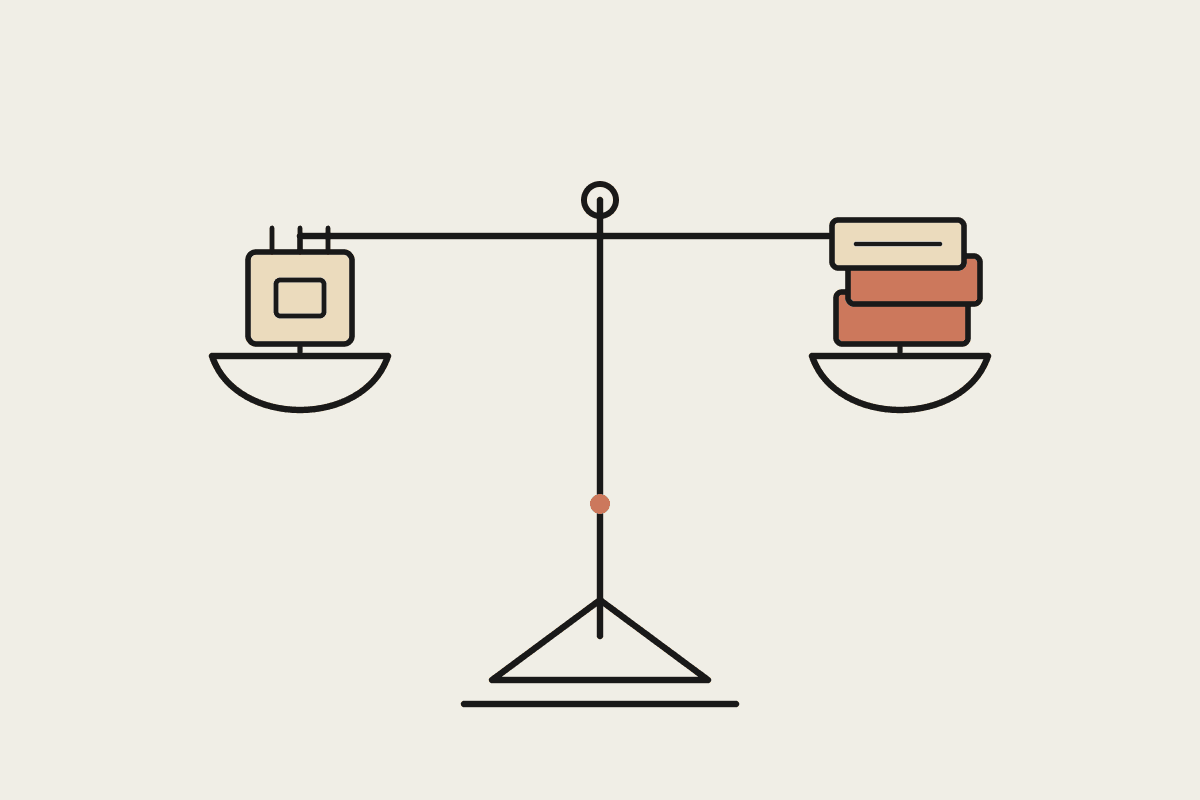
The single biggest predictor of whether a business's first AI project succeeds isn't the technology, it's whether the first use case was chosen well. Pick a task too ambitious or too low-value, and the project either stalls or succeeds without anyone noticing, either way souring the business on trying a second one. A simple scoring sheet fixes this by forcing an honest comparison before committing.
Four criteria worth scoring, out of five each
Frequency: how often does this task happen? A task done twice a year scores low regardless of how tedious it is each time
Clarity: how well-defined is 'done correctly' for this task? A task with a clear right answer scores higher than a subjective, judgement-heavy one
Visibility: will the people who need to be convinced actually see this task's output regularly, or will the win be invisible to decision-makers
Reversibility: how easy is it to catch and correct a mistake before it causes real damage, if the AI gets something wrong
How to use the score
List every candidate task, score each against the four criteria, and total the results. A task scoring high on frequency and clarity but low on visibility might still be a good second or third project, but a poor choice for the first one, since an invisible win does nothing to build the organisational confidence needed to justify a second AI project. The first use case should score well across all four, even if a higher-value but riskier task is sitting right behind it as an obvious next step.
A worked example
A 16-person Adelaide engineering firm scored five candidate AI use cases before picking their first project. Automating detailed technical drawings scored high on value but low on clarity and reversibility, a genuinely risky first choice. Drafting weekly client status update emails scored lower on drama but high on frequency, clarity and visibility, an easy task to get right and one that partners would notice working well every single week. They started with the status emails, built organisational confidence over six weeks, and used that credibility to greenlight the higher-value, higher-risk drawing-automation project with far less internal resistance than it would have faced as the opening move.
What to avoid on the first attempt
Resist the temptation to pick the single highest-value task on the list as your first project simply because the ROI case looks best on paper. The businesses that succeed with AI long-term are usually the ones that built a track record on a smaller, well-chosen first win before tackling the ambitious project, not the ones that bet everything on the biggest opportunity first and had no credibility left if it stumbled.
If you're trying to pick where to start with AI and want help scoring your own candidate use cases, get in touch through /contact.
Building the scoring sheet without overthinking it
The scoring exercise itself should take under an hour for a small Australian business with five to ten candidate use cases in mind. A simple spreadsheet with the four criteria as columns, each candidate task as a row, and a 1-5 score in each cell is enough, there's no need for a more elaborate weighting system or software tool. The value is in the discipline of comparing options side by side rather than picking whichever task happens to be top of mind that week.
A Melbourne bookkeeping practice running this exercise found their instinctive first choice, automating complex trust-account reconciliations, scored well on value but poorly on clarity and reversibility given how consequential an error would be. Their second-ranked option, drafting routine client check-in emails, scored consistently well across all four criteria and became the actual first project, with the trust-account automation deliberately queued as a later, better-prepared second attempt once the practice had a working AI process and more internal confidence in reviewing its output.
The practice estimated the eventual trust-account automation project, once properly prepared with a working internal review process already established, would be worth roughly $18,000 a year in reclaimed reconciliation time, a genuinely valuable outcome, but one they judged too risky as a starting point without the organisational muscle a smaller first project had already built.
Keep the scoring sheet after the first project launches. It becomes the natural tool for choosing the second, third and fourth use cases too, and a business that's built a habit of scoring before committing tends to avoid the stalled, poorly-chosen projects that quietly kill momentum in businesses that pick each new AI idea on enthusiasm alone.
There's no shame in a modest, unglamorous first project. The point isn't to impress anyone with the first use case, it's to build a working process and a track record that makes every subsequent AI project easier to greenlight and easier to trust.