For most Australian service businesses, the quote is where deals slow down. A plumber, a marketing agency, an IT managed service provider or a commercial cleaner can all lose a job simply because the proposal took four days to reach the client's inbox. Claude changes the maths on that. Used well, it turns a two-hour quoting task into a ten-minute review, and it handles the tedious parts without complaint at 6am or 11pm.
The reason to do this now rather than next year is that the inputs are already digital. Your emails, your CRM notes, your rate card and your past proposals all sit in systems Claude can read. The missing piece was never the data. It was a capable assistant that could hold your pricing rules and your writing style in mind at the same time. That is the gap Claude fills.
Where quoting time actually goes
Before automating anything, it helps to see the job honestly. A single quote for a mid-sized office fit-out might be worth $45,000, yet the effort to produce it looks nothing like that value. The work usually splits into a few repeating chunks:
Pulling the client's details, site notes and past history together from email, your CRM and a folder of PDFs.
Pricing the line items against a rate card that lives half in a spreadsheet and half in someone's head.
Writing the covering narrative so it reads like your business and not a stock template.
Formatting the document, adding terms, checking the GST maths, and getting it out the door.
None of that is hard. All of it is slow, and it competes with the delivery work that actually pays the bills. When a quote is worth $12,000 and takes three hours to assemble, the real cost is the two other quotes you did not send that week.
What Claude can take off your plate
Claude is strong at the middle of this process: reading messy inputs, applying your rules, and drafting text in your voice. A typical setup gives Claude your rate card, three or four past proposals you are happy with, and your standard terms. From there it can:
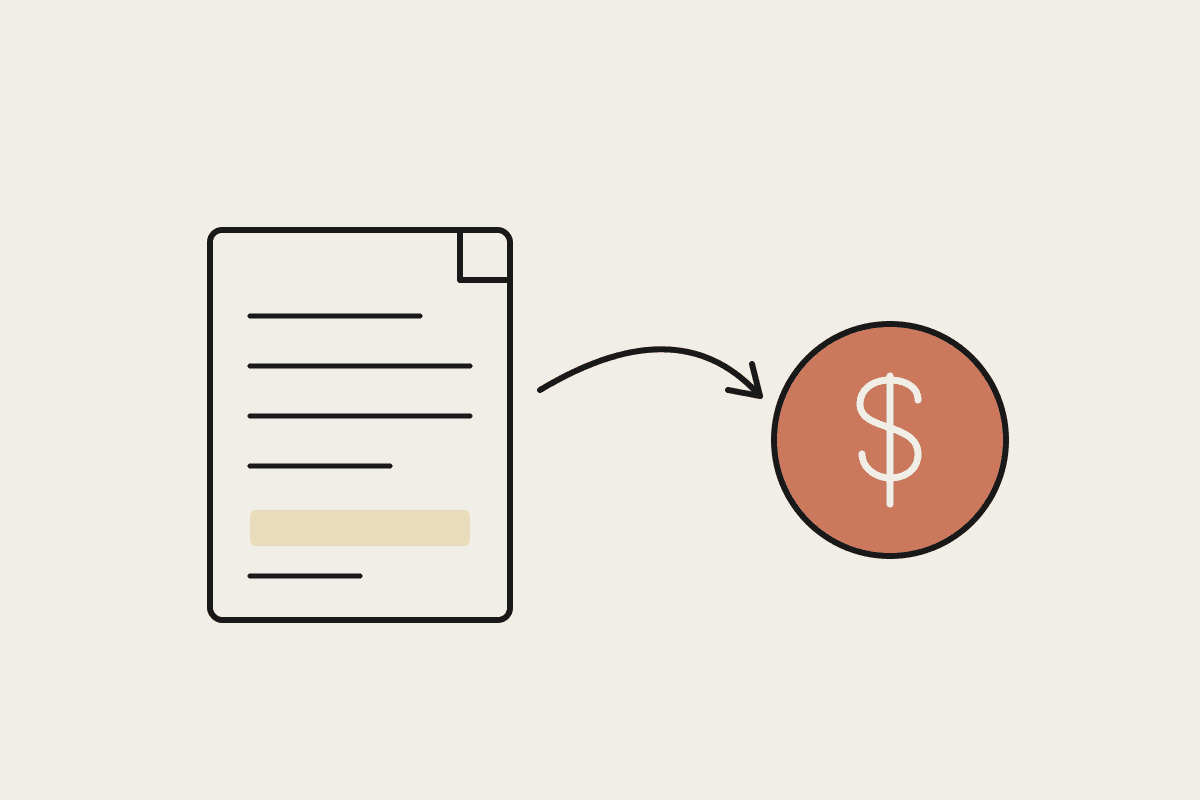
Draft a full proposal from a short brief or a transcribed site visit, with line items priced from your rate card.
Match the tone of your best past quotes rather than a one-size template.
Flag anything unusual, such as a scope that does not fit your standard packages or a margin that looks thin.
Produce a plain-English summary for the client and a detailed breakdown for your own records.
The aim is not to remove your judgement. It is to hand you a near-finished draft so your time goes into pricing strategy and the client relationship, not document assembly.
A worked example
Say a commercial cleaning company in Melbourne gets an enquiry for a nightly office clean across three floors. The owner records a two-minute voice note after the site walk. Claude turns that note into a scoped proposal: floor areas priced from the rate card, a frequency schedule, GST added correctly, and a short covering letter that matches the company's usual warm and direct tone. The owner spends ten minutes checking the numbers and adjusting one line, then sends it. What used to be an evening job is done before the drive home.
A rollout that fits a small team
You do not need a six-month project to get value here. Most service businesses in Sydney and around the country can start with a single quote type and expand from there. A sensible order looks like this: begin with your most common job, capture three strong past proposals as examples, and write down the pricing rules you already follow. Run Claude alongside your normal process for a fortnight so you can compare its drafts against what you would have written. Once the drafts are landing at eighty or ninety per cent, you switch to reviewing rather than writing.
The savings show up quickly. If quoting eats eight hours a week across your team and Claude halves that, you recover roughly 200 hours a year. For a business billing at $180 an hour, that is close to $36,000 of capacity you can point at delivery or at winning more work.
Guardrails worth setting early
Automation without boundaries creates its own problems, so a few rules matter from day one. Keep a human approval step before any quote reaches a client, especially for larger jobs. Be deliberate about client data: proposals often carry commercial terms and personal details covered by the Privacy Act, so decide what Claude sees and where drafts are stored. Keep your rate card as the single source of pricing truth so the automation never invents a number. And review the examples you feed in every quarter, because your best proposals from last year may not reflect this year's pricing.
Quote and proposal automation is one of the clearest early wins for an Australian service business, because the work is repetitive, the value per document is high, and the quality bar is something you already know how to judge. If you want to map out where Claude fits in your quoting process, you can book a short brainstorm and we will sketch a first version against one of your real quotes.