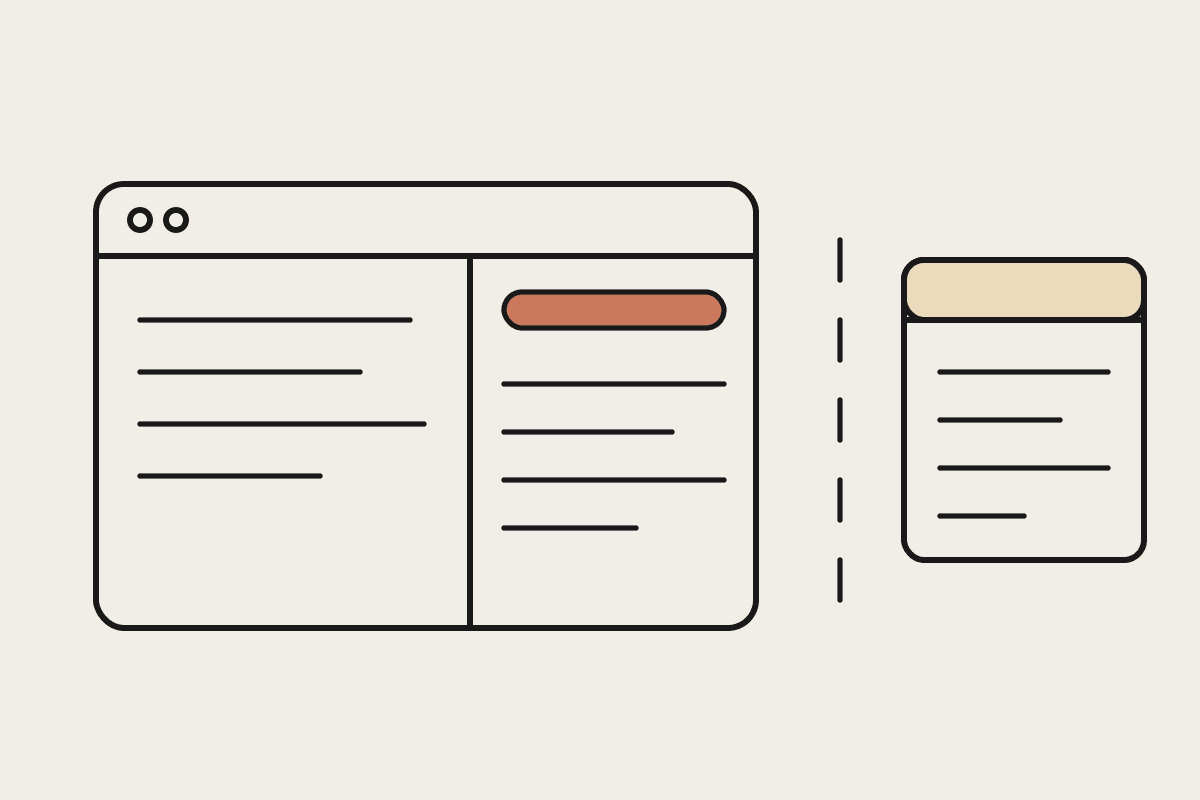
A 60-person Sydney distribution business spent four months and roughly $85,000 planning a comprehensive AI transformation across warehousing, customer service and finance before writing a single prompt. By the time the plan was ready, two of the three department heads who'd been consulted had moved on, the plan's assumptions about available tooling were already six months stale, and the project restarted from a weaker position than if it had simply begun small on day one.
Why big-bang AI projects fail more often than small ones
A comprehensive plan has to be right about a lot of things simultaneously -- which tools, which workflows, which sequencing, which teams go first -- before it delivers any value at all. Every one of those assumptions is a place the plan can be wrong, and AI tooling and best practice are moving fast enough that a four-month planning cycle is genuinely likely to be stale by the time it's approved. A small pilot, by contrast, only has to be right about one thing to prove value: does this one workflow, for this one team, actually work better with AI than without it.
There's also a trust dimension that's easy to underweight. A business that's never successfully delivered an AI project has no track record to draw on when asking staff to trust a big, ambitious rollout. A small, visible win -- even a modest one -- builds exactly the credibility a bigger project will need later, in a way that a comprehensive plan sitting unbuilt in a slide deck never can.
What 'small' actually looks like
One team, not the whole business -- pick the group most receptive to trying something new, not necessarily the highest-value use case.
One workflow, clearly scoped -- something finishable in two to four weeks, not an open-ended capability rollout.
A genuine, measurable before-and-after -- time saved, errors reduced, something concrete you can point to afterwards.
A deliberate decision point at the end -- expand, adjust, or stop, made explicitly rather than the pilot just quietly continuing or quietly dying.
A worked comparison
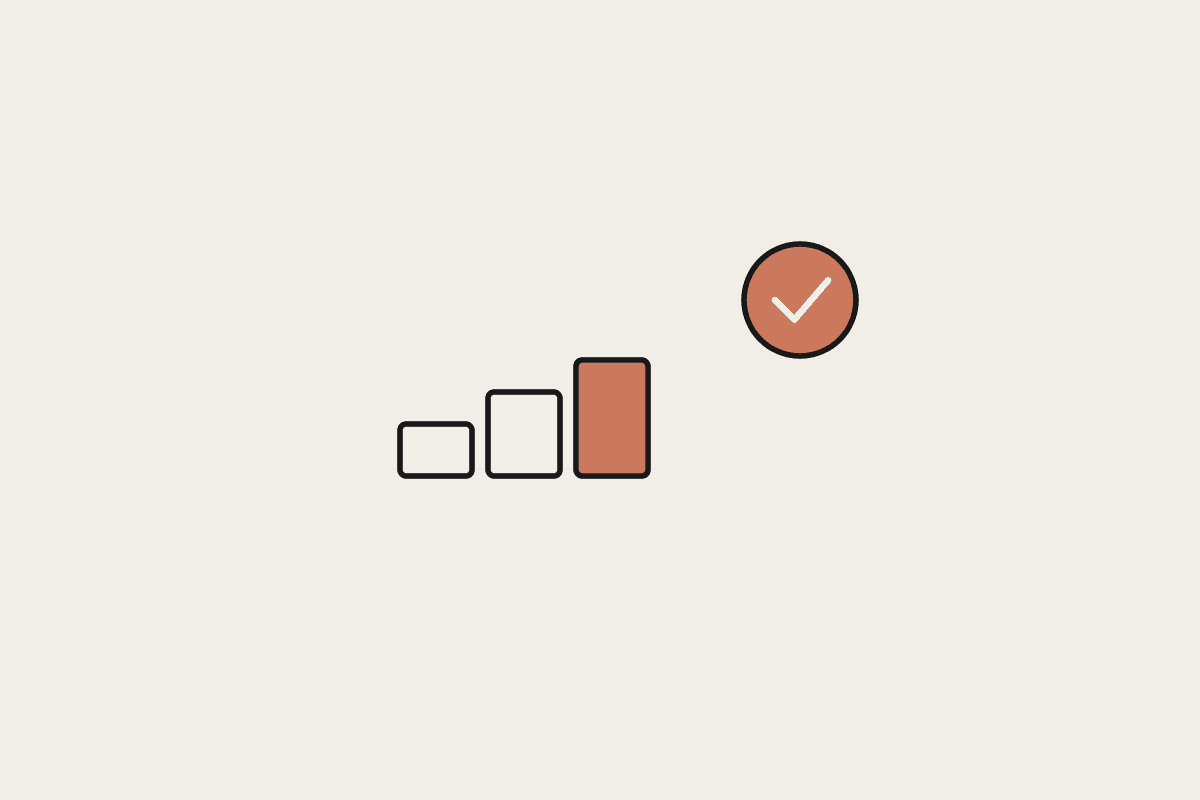
The same Sydney distribution business, after the failed comprehensive plan, restarted with a single small win: automating supplier invoice data entry for one warehouse team, a four-week pilot costing roughly $6,000 to set up. It worked, cutting invoice processing time by an estimated 70% for that team, and that single visible result did more to build organisational appetite for further AI investment than the entire four-month planning exercise had. Eight months later, three more teams had adopted similar workflows, each building on the credibility the first small win had established, at a fraction of the total cost the original comprehensive plan had budgeted.
When a bigger plan genuinely is warranted
This isn't an argument against ever planning at scale -- a business with genuine complexity across many interdependent systems may eventually need real coordination. But that coordination should follow proof, not precede it. Earn the right to plan big by first proving small, rather than betting months of planning effort on assumptions nobody's tested yet.
Getting leadership comfortable with starting small
The hardest part of this approach is often internal, not technical -- a leadership team that's used to thinking in terms of comprehensive strategy can feel like a small pilot is under-ambitious or won't be taken seriously. Frame it explicitly as the first phase of a bigger intention, not a lesser substitute for one: 'we're proving the model with one team before committing budget to the rest' reads as disciplined, not timid, once the first result lands and the credibility it builds becomes visible to the rest of the business.
Set the pilot's success criteria before it starts, not after, so the decision to expand or stop isn't argued retroactively based on whatever numbers happen to look best. A pilot with a pre-agreed bar -- for instance, at least a 30% time reduction on the target workflow -- gives everyone a clean, shared basis for the expand-or-stop conversation once the four weeks are up, rather than a subjective debate about whether it felt successful.
Pick the pilot this week rather than the week after the next planning meeting. The businesses that get the most out of this approach are the ones that treat starting small as the plan, not as a placeholder while a bigger plan gets written in parallel.
If you're weighing a big AI initiative and want help scoping a smaller first proof point instead, get in touch through /contact and we'll help you find the smallest version worth testing first.