A telehealth appointment looks simple from the patient's side: pick a time, join a video call, get seen. Behind the screen, an Australian practice runs a chain of admin steps between that booking and the moment the money actually lands. Confirm eligibility, capture intake details, write the consult note, pick the right Medicare item, prepare the claim, chase the ones that bounce. Every link in that chain is a place where a busy front desk loses minutes, and where revenue quietly slips.
This guide walks through how Claude can support the booking-to-billing chain for telehealth practices, what stays firmly under human control, and roughly what the time saved is worth in dollars for a mid-sized clinic.
Where telehealth admin actually leaks time
Most practice owners assume the bottleneck is the clinical hour. It usually is not. The clinician is fully booked. The leak is in the wrapper of tasks around each consult, and it grows with every new clinician you add. When a Sydney allied-health group looked at its own numbers, the admin minutes per telehealth appointment were roughly double what the team had guessed.
The common leak points look like this:
Intake and history collection that arrives incomplete, so reception re-contacts the patient before the call.
Medicare and DVA eligibility checks done manually, one browser tab at a time.
Consult notes written up after hours because there was no gap between back-to-back video calls.
MBS item selection guesswork, where the wrong telehealth item code triggers a rejection weeks later.
Claim rejections that sit in a queue nobody owns, ageing past the point where anyone remembers the detail.
No-show and reschedule messages that never get sent because the day ran away.
None of these are clinical decisions. They are language and data tasks: reading, summarising, matching, drafting. That is precisely the work Claude is suited to, provided a person stays in the loop for anything that touches a clinical or financial commitment.
A booking-to-billing chain Claude can support
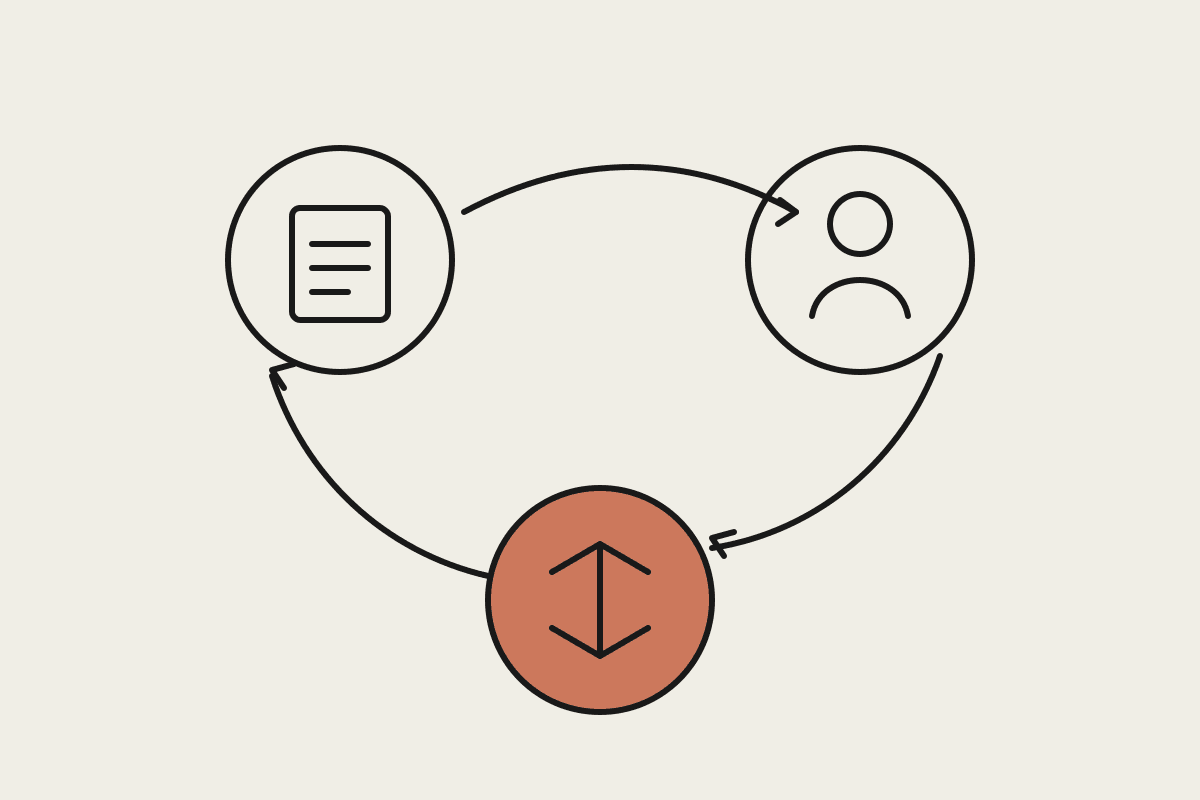
Think of the workflow as three stations. Claude does the preparation and drafting at each one; your team reviews and confirms. Nothing is sent, claimed, or recorded without a human clicking approve.
At the booking: intake and triage
When a patient books, Claude can turn their submitted intake form into a tidy pre-consult summary for the clinician: presenting issue, relevant history, medications, and any red flags worth a second look. If the intake is thin, it can draft the specific follow-up questions reception should ask, rather than a generic reminder. It can also flag when a booking looks like it needs an in-person referral instead of a video call, so the clinician is not surprised at the top of the hour.
During and after the consult: notes and letters
From a clinician's rough dot points or a consult transcript, Claude can draft a structured progress note in the practice's own format, plus the referral or report letter that so often gets deferred to the weekend. The clinician edits and signs. A practice in Melbourne running this pattern cut its average note-writing time from about eleven minutes to under four, which across a full telehealth day gave each clinician back close to an hour.
At billing: item mapping and claim prep
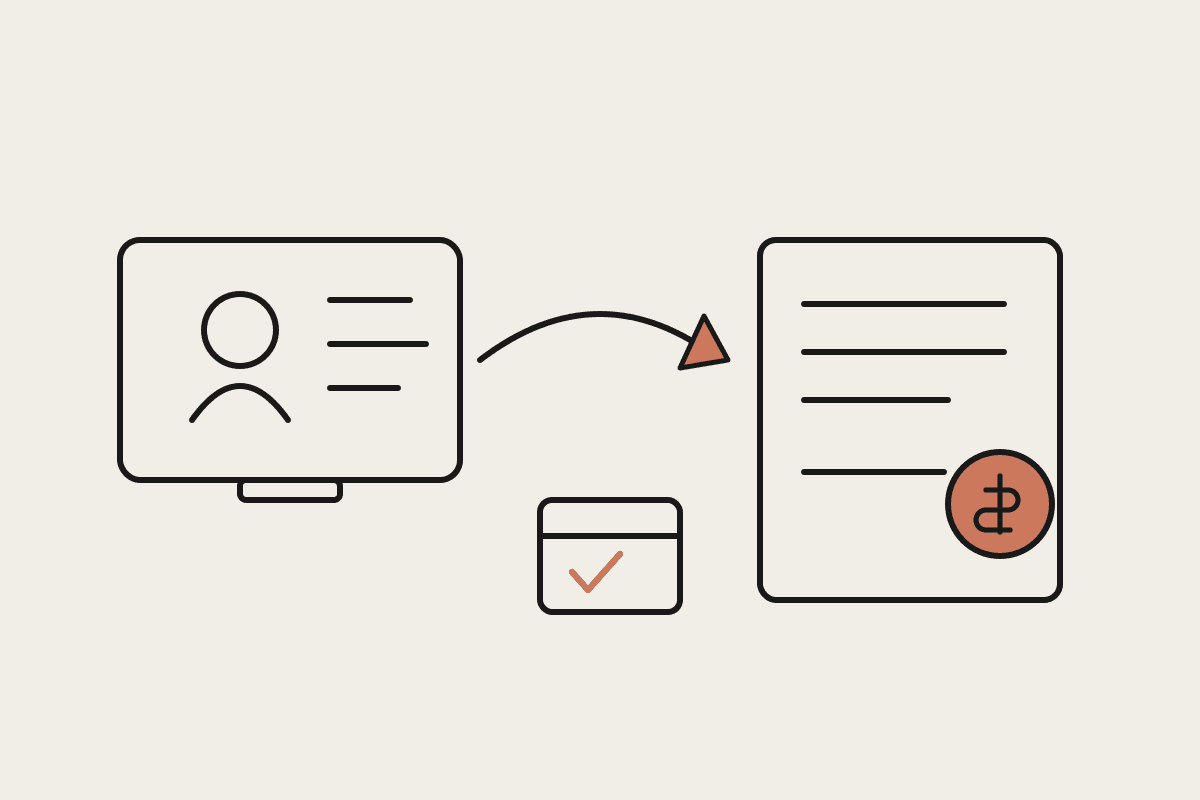
This is where the dollars are. Claude can read the consult note and the appointment metadata, then propose the most likely Medicare item number with a short plain-English reason, so the biller is checking a recommendation instead of researching from scratch. For claims that bounce, it can read the rejection reason, summarise what went wrong, and draft the corrected resubmission for a person to approve. The claim itself is still lodged by your team through your existing billing software, never by the model.
What this is worth in dollars
Consider a telehealth practice with six clinicians, each seeing around twenty patients a day. Suppose the wrapper admin runs at fifteen minutes per appointment across intake, notes, and billing. Trimming that to nine minutes is a conservative target for the tasks above. Six minutes saved across roughly 120 appointments a day is twelve hours of admin time reclaimed daily.
Value that at a loaded admin rate and it lands near $65,000 a year in recovered capacity, before you count the second effect: fewer claim rejections ageing out and being written off. A single practice recovering even $1,200 a month in claims that would otherwise have lapsed adds another $14,000 or so annually. For most Australian clinics the recovered-revenue line matters more than the hours, because it is money that was already earned and simply never collected.
The point is not the exact figure, which depends on your mix. The point is that the return shows up in two columns at once: capacity you stop spending and revenue you stop losing.
Guardrails for Australian health data
Health information is among the most sensitive data an Australian business holds, and it is regulated accordingly. Any telehealth use of Claude has to be built around that reality, not bolted on afterwards. The guardrails we hold to:
Claude drafts and prepares; it never diagnoses, never sets a treatment plan, and never lodges a claim. A registered practitioner or biller owns every clinical and financial output.
Handling of patient information follows the Privacy Act 1988 and the Australian Privacy Principles, with data flows documented so you can answer where information goes and who can see it.
AHPRA advertising and record-keeping obligations are respected in any patient-facing letter or material Claude drafts.
Consult notes and claim recommendations are reviewed and signed by a human before they enter the clinical record or the billing system.
Access is scoped so the model only sees what a given task needs, and nothing is retained beyond what the practice's policy allows.
Handled this way, the technology sits inside your existing compliance posture rather than creating a new gap in it. That is the difference between a tool a practice manager can defend to an auditor and one they quietly stop using.
Where to start
You do not need to rebuild the whole practice to see whether this works. Pick the single noisiest link in your own chain, usually either note-writing or claim rejections, and run Claude against a fortnight of real cases with a clinician or biller checking every output. Measure the minutes and the rejection rate before and after. If the numbers move, expand to the next station. If they do not, you have spent very little to find out.
If you want a hand mapping your booking-to-billing chain and picking the first station to automate, book a short call and we will work through it with you. Claude is the engine; the job is fitting it to the way your Australian practice already runs.