Most Australian small businesses do not need a grand AI strategy. They need to get five hours a week back. Claude is well suited to that, because the work that eats a small team's time is mostly reading, writing, and checking, which is exactly what a capable language model does well. The real question is where to start.
We have set up Claude across dozens of small businesses in Sydney and around the country. This is our ranking of the 15 workflows that deliver the most value, ordered by how quickly a typical owner-operator sees a return. The order is our own view, and yours may shift depending on your industry.
How we ranked them
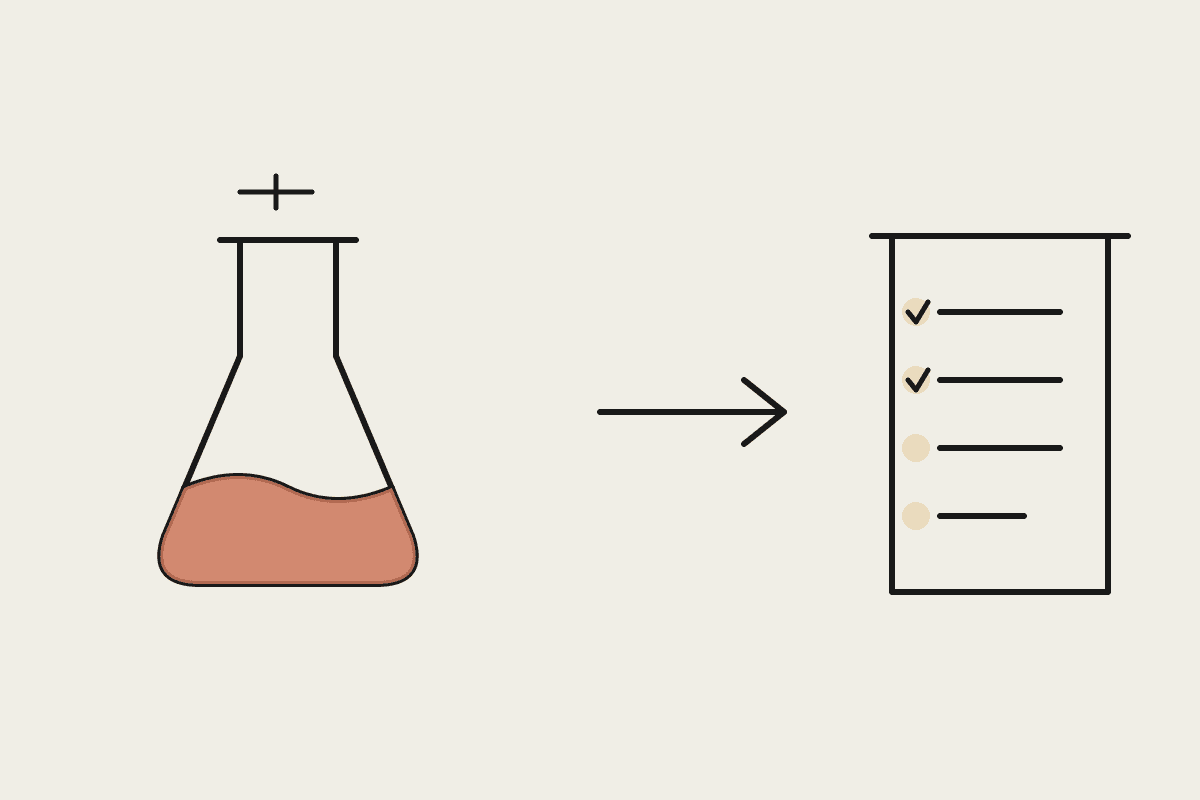
Three things decided the order: how many hours the task consumes each week, how easily Claude handles it without heavy setup, and how low the risk is if a draft needs correcting. A workflow that saves four hours, works on day one, and only ever produces drafts a person approves will rank above a clever automation that needs a fortnight of plumbing.
Time saved: hours per week the task currently costs.
Setup effort: how much configuration Claude needs before it is useful.
Risk: what happens if a draft is wrong, and whether a person reviews it first.
The top five: set these up first
1. Email triage and reply drafting
The inbox is where most owners lose their mornings. Claude can sort a full inbox by urgency, summarise long threads, and draft replies in your voice for you to approve before sending. For a business handling 60 emails a day, this routinely gives back an hour every morning. Keep a person on the send button and it stays low risk.
2. Quotes and proposals
Feeding Claude your rate card, past quotes, and a short brief produces a first-draft proposal in minutes rather than the better part of an afternoon. A trades or services business quoting a A$12,000 job can go from enquiry to a polished, on-brand quote the same day, which is often the difference between winning and losing the work.
3. Meeting notes and action items
Drop a call transcript or your rough notes into Claude and get a clean summary with owners and due dates attached. Nothing falls through the cracks, and you stop half-listening in meetings just to write things down. This one needs almost no setup, which is why it ranks so high.
4. Customer support replies
Claude drafts replies to common questions using your own help articles and past responses, so answers stay consistent and on-brand. Support stays fast even when the person answering is not the resident expert. As with email, a person reviews each reply, so the failure mode is a quick edit rather than a wrong answer going out.
5. Invoice and debtor follow-ups
Chasing money is awkward and easy to put off, so it gets skipped and cash flow suffers. Claude drafts polite, firm follow-ups matched to how overdue each invoice is and how the customer usually pays. Recovering a single A$3,500 invoice a fortnight earlier pays for the whole setup many times over.
The middle tier: strong once the basics run
6. Writing standard operating procedures
Ask Claude to interview you about how a task is done, then turn your answers into a clear written procedure. This is how small businesses finally document the knowledge trapped in one person's head, which matters most right before someone goes on leave or moves on.
7. Bookkeeping prep for your accountant
Claude can categorise transactions, flag odd entries, and assemble a tidy summary your bookkeeper or accountant can work from. At a bookkeeper's A$70 an hour, cutting the monthly shoebox down to a clean file is real money. This is preparation and organisation, not tax advice, and your accountant still signs off.
8. Blog and social content
From one idea, Claude drafts a blog post, a handful of social captions, and an email, all in your voice. A small business that could never justify a marketing hire can keep a steady presence without it becoming a second job. Drafts still get a human read before they go out.
9. Tender and grant applications
Government and enterprise tenders are long, repetitive, and unforgiving on format. Claude helps you answer selection criteria against your capability statement and past submissions, so a A$150,000 contract becomes worth the effort of applying properly. It ranks here, not higher, because it only helps businesses that actually chase tenders.
10. Research briefs
Point Claude at a competitor, a supplier, or a new market and get a structured brief instead of an afternoon of open browser tabs. Useful, but occasional for most owners, which is why it sits in the middle rather than the top.
The rest: real value in the right business
The last five still earn their place, but the payoff depends heavily on your industry, so they land lower on a general ranking.
11. Spreadsheet analysis and reporting: turn a messy export into a plain-English summary of what changed and why.
12. Job ads and screening questions: draft a Fair Work-friendly ad and a consistent set of interview questions in minutes.
13. Website and product copy: rewrite thin pages and product descriptions so they read well and rank better.
14. Contract plain-English review: have Claude flag unusual clauses and explain them as a first pass before your lawyer, never instead of one.
15. Compliance checklists: build working checklists against obligations such as the Privacy Act or your state's work health and safety code, then keep them current.
Where to start
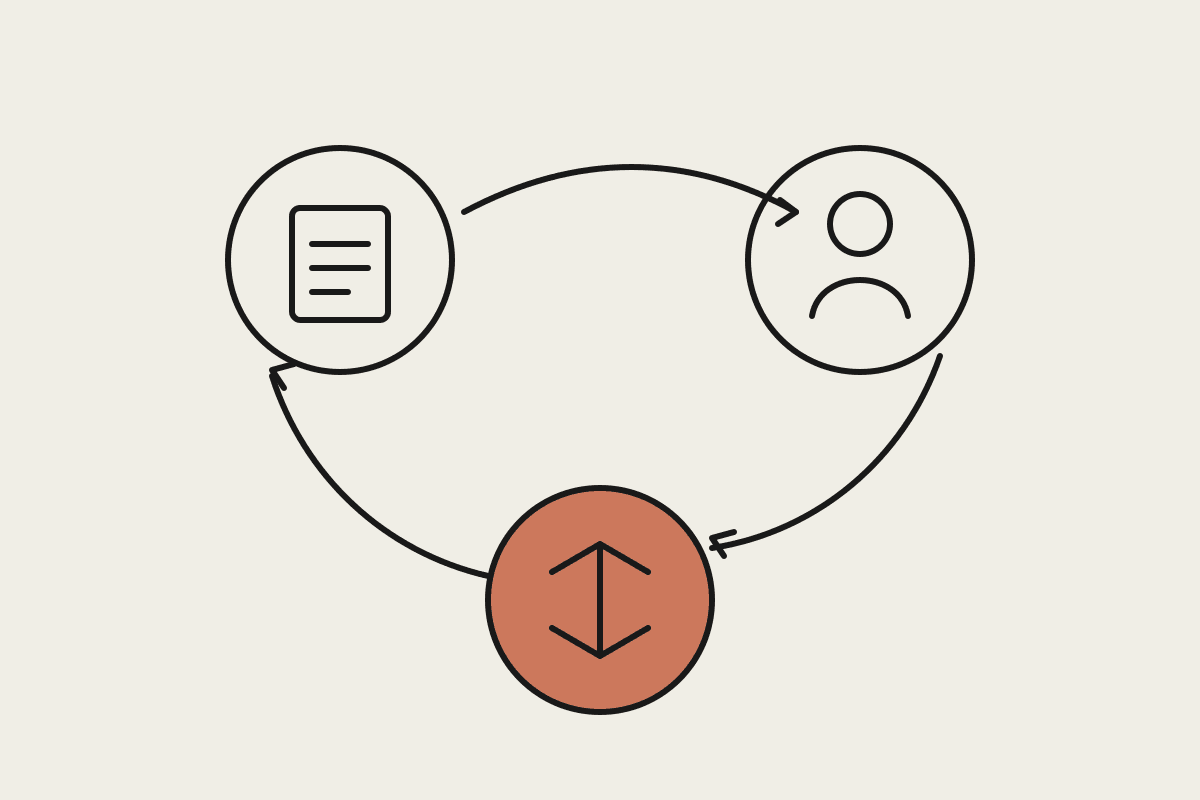
Pick one workflow from the top five, run it for a fortnight, and measure the hours it returns before adding a second. The businesses that get the most from Claude are not the ones that automate everything at once. They are the ones that fix a single expensive habit, prove the payback, and build from there.
If you want help choosing the right first workflow for your business, book a short call and we will map it out with you.