The businesses that get burned by AI pilots almost never fail because the technology didn't work. They fail because the pilot was never designed to prove or disprove anything specific, so three months in, nobody can say whether it succeeded, and the whole initiative quietly stalls. A properly scoped 30-day pilot fixes this by defining success before it starts, not after.
What a well-scoped pilot actually defines upfront
One specific, narrow task, not 'improve customer service with AI' but 'draft first-response replies to the top three enquiry types'
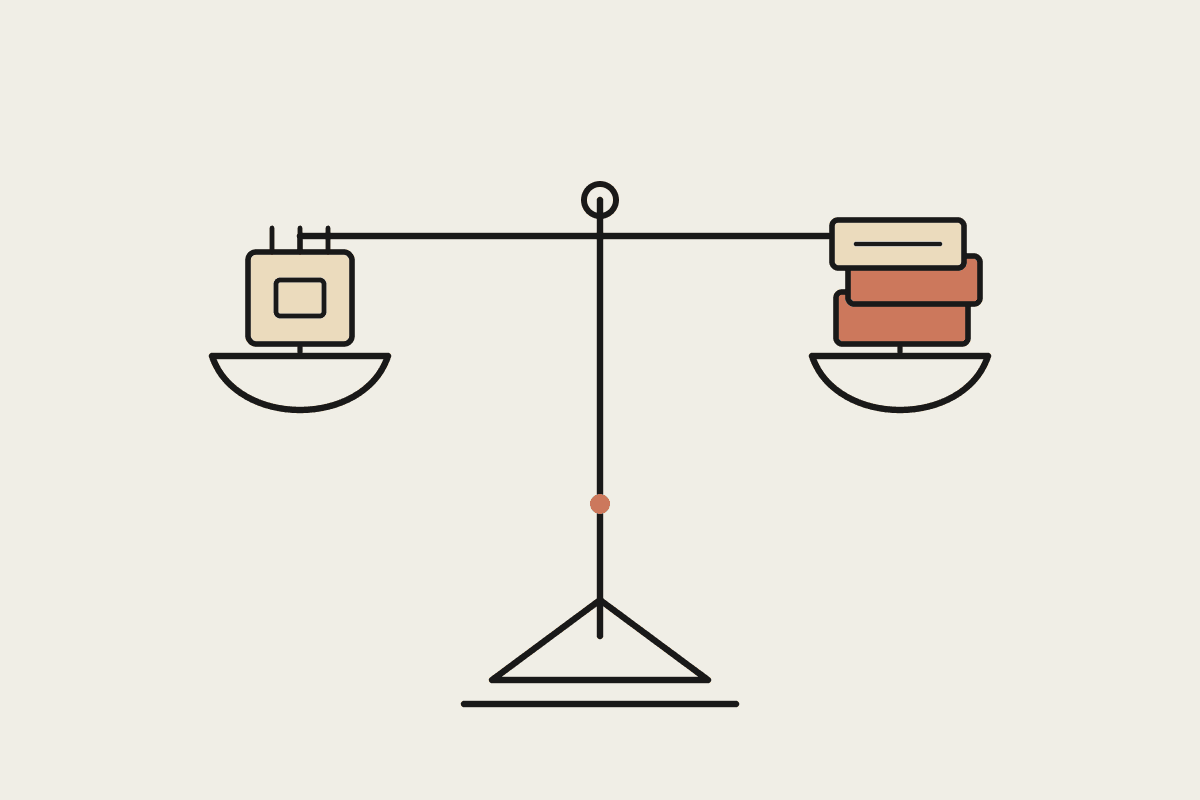
A measurable success threshold set before day one, such as 70% of drafts needing only minor edits before sending
A fixed 30-day window with a hard stop, so the pilot either graduates to production or ends, rather than drifting indefinitely in limbo
A named owner responsible for reviewing the results and making the go/no-go call, not a group decision that never quite happens
A worked example
A 20-person Hobart retailer piloted Claude drafting responses to customer email enquiries for 30 days, with a defined success bar: 65% of drafts needing only light editing before sending, reviewed weekly against a logged sample. By day 30, the actual figure was 74%, comfortably past the bar, and the team had a clear, evidence-based case for rolling it out permanently rather than an anecdotal 'it felt pretty good.' The pilot itself cost under $600 in build and review time, a small number against the certainty it bought before committing to a larger rollout.
Why 30 days, specifically
Shorter than 30 days rarely surfaces the edge cases that only show up once a workflow has handled enough real, varied volume. Longer than 30 days risks losing momentum and organisational attention before a decision gets made at all. Thirty days is long enough to see a representative sample of real inputs and short enough that the business stays focused on reaching an actual verdict rather than letting the pilot become a permanent, unevaluated fixture.
What to do with a pilot that fails the bar
A pilot that misses its threshold isn't a wasted month, it's useful information at a fraction of the cost of a full rollout that would have failed the same way at ten times the price. The right response is diagnosing why (wrong task scope, insufficient examples in the prompt, a task genuinely too ambiguous for the model) rather than treating a missed threshold as proof AI 'doesn't work' for the business generally.
If you want help scoping a 30-day pilot with a genuine, measurable success bar, get in touch through /contact.
Setting the threshold before you're tempted to move it
The single most common way a 30-day pilot loses its value is setting the success threshold after seeing early results, rather than before the pilot starts. A threshold picked in advance, even an imperfect one, is a genuine test. A threshold quietly adjusted downward in week three because the early numbers were disappointing isn't a pilot anymore, it's a decision that's already been made being dressed up as evidence. Writing the threshold down and sharing it with whoever will make the final call, before day one, is the single habit that keeps a pilot honest.
It's worth building in a mid-point check, around day 15, not to change the threshold but to catch a pilot that's clearly heading nowhere useful early enough to adjust the approach, rather than discovering on day 30 that the whole scope was wrong from the start. A Newcastle accounting practice running a client-query-response pilot found by day 12 that their chosen task was too narrow to generate a meaningful sample size, and widened the scope for the remaining 18 days rather than reporting an inconclusive result at the end of a wasted month.
Turning a successful pilot into a rollout, not a permanent trial
A pilot that clears its bar should have a defined next step already agreed before it starts: full rollout, expanded scope, or a second pilot on an adjacent task. Without that agreement in place upfront, a successful pilot has a habit of simply continuing indefinitely as a pilot, never formally adopted, never given the resourcing a proven workflow deserves, because nobody made the explicit decision to graduate it.
The discipline of running pilots this way compounds over time. A business that's run three or four properly scoped 30-day pilots develops an institutional sense of what a realistic success bar looks like for a given task type, making each subsequent pilot faster to scope and easier to evaluate fairly than the one before it.
If a pilot's scope feels too big to define a clean, measurable threshold for, that's usually a sign the scope itself needs narrowing before day one, not a reason to skip setting a threshold and hope the result speaks for itself at the end.