Multi-model strategies get most of the attention in AI cost conversations, but for a lot of Australian SMBs the better answer is the opposite: standardising on one model across every workflow, and accepting a small efficiency loss on a handful of tasks in exchange for a much simpler operation. This is the case for deliberately not chasing every marginal cost saving across multiple providers.
What you give up with a multi-model approach
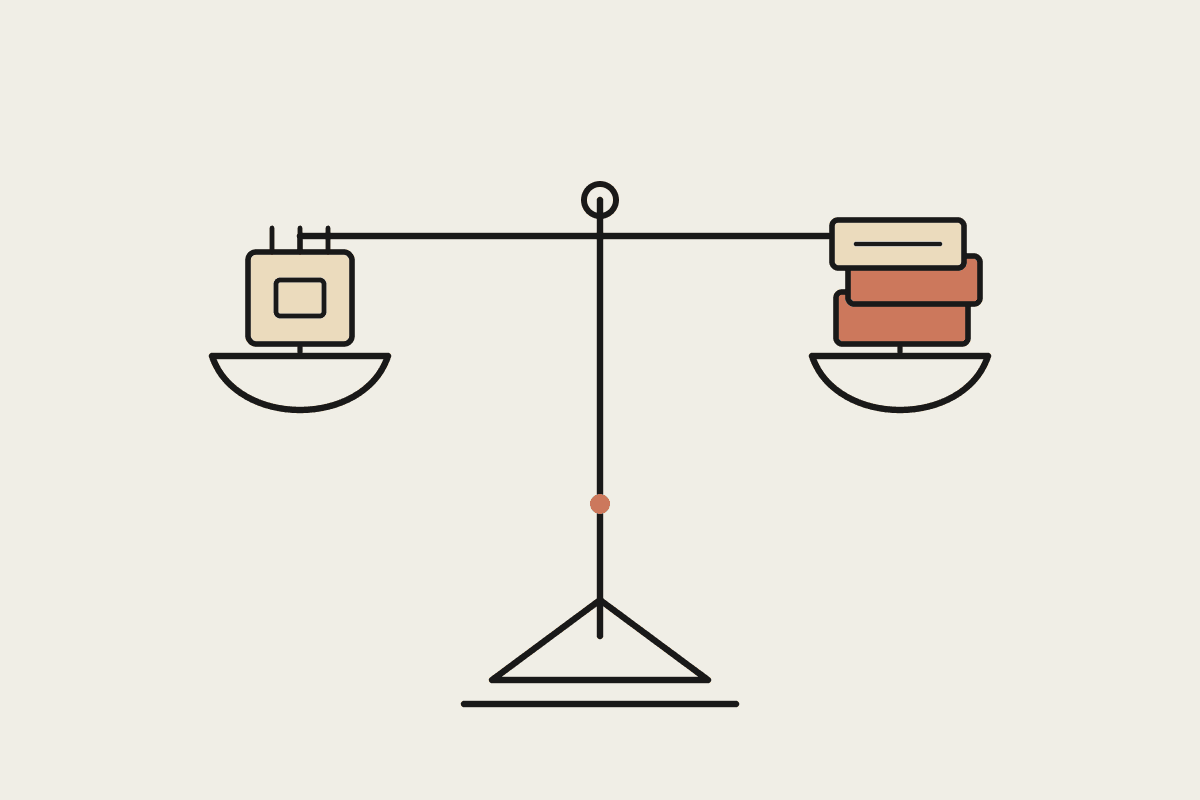
Running three different models across different workflows -- one for drafting, one for classification, one for a specific technical task -- can shave real cost off each individual workflow, but it multiplies the operational overhead: separate API accounts, separate billing relationships, separate prompt-tuning work per model, and a team that has to remember which tool does what. For a business under about 30 staff, the hours spent managing that complexity often exceed the cost saving the multi-model approach was chasing.
Where 'one model, many jobs' wins
One billing relationship, one set of usage patterns to monitor, one vendor risk to manage instead of several
Staff only need to learn one tool's quirks and prompting style, which speeds up onboarding materially
Model tiering within a single provider (Haiku for easy tasks, Opus for hard ones) captures most of the cost benefit of a multi-model strategy without the operational overhead
Simpler procurement and security review, since only one vendor's data-handling terms need to be checked and signed off
A worked comparison
A 22-person Canberra consultancy considered running a separate specialised tool for their technical document review alongside Claude for everything else. The specialised tool was genuinely 15% cheaper per document on that one task. But it required a second login, a second billing relationship, and retraining two staff who already knew Claude's conventions well. They stayed on a single-model approach, using Claude's own tiering to handle the easier documents on Haiku and the harder ones on Opus, and estimated the operational simplicity was worth more than the 15% they left on the table by not adding a second vendor.
When it's worth breaking the rule
This isn't an argument against ever using a second tool. A genuinely specialised task, well outside general-purpose capability, like image generation or a narrow legal-research database, can justify a second vendor relationship on its own merits. The rule of thumb: the saving from adding a second model needs to clearly exceed the ongoing overhead of managing it, not just beat the first model on a single narrow metric.
If you're weighing whether a second AI tool is worth the added complexity, get in touch through /contact and we'll help you run the actual comparison.
What this looks like on the invoice
The Canberra consultancy's monthly Claude spend across all workflows settled at roughly $780 a month once tiering was applied properly, against an estimated $660 a month if they'd added the specialised second tool for just the technical-review workflow. The $120 difference was, in their own assessment, comfortably less than the value of not having to manage a second vendor relationship, a second security review, and a second onboarding process for new staff.
The broader point generalises past this one example: operational overhead is a real cost, even when it doesn't show up on an invoice. Treating vendor count itself as a cost variable, not just a convenience preference, tends to produce a more honest total-cost comparison than looking at per-task pricing across tools in isolation.
If your business is already running two or three AI tools and it's not clear any of them are earning their separate keep, that's worth an honest look before adding a fourth. The question isn't whether each tool is individually good, most are, it's whether the combined operational cost of managing all of them still beats the simpler, single-model alternative once you count the hours, not just the invoices.
This same logic scales down as well as up. A five-person sole-trader-plus-team operation gains even more from standardising than a larger business does, because there's simply nobody available to specialise in managing a second vendor relationship on top of running the actual business day to day.
None of this is a permanent commitment. Revisit the decision as the business grows past the point where a second specialised tool's overhead becomes proportionally smaller against a larger operation, because the maths that favours one model at 20 staff can genuinely flip once a business reaches 80 or 100.
Set a simple trigger for revisiting the decision: if a second vendor's advantage on a specific task ever exceeds roughly 25% of that task's total cost, it's worth re-running the full comparison, including the operational overhead, rather than assuming the original single-model decision still holds.