A weekly review doesn't need a dashboard or a formal process to be genuinely useful, it needs fifteen honest minutes and a good prompt. This is a founder's Sunday-night routine specifically, a manual, reflective habit run by typing into Claude directly, distinct from an automated Monday-morning Cowork brief that runs itself. The value here is partly the output and partly the act of sitting down and actually thinking through the week.
The prompt itself
A version worth adapting: 'Here's what happened this week: [paste a rough list, wins, problems, unfinished things, anything on your mind]. Help me identify the two or three things that actually matter most going into next week, one thing I should stop doing or delegate, and one question I should be asking myself that I'm currently avoiding.' The specificity of that last clause, a question you're avoiding, is what separates a genuinely useful reflective prompt from a generic productivity summary.
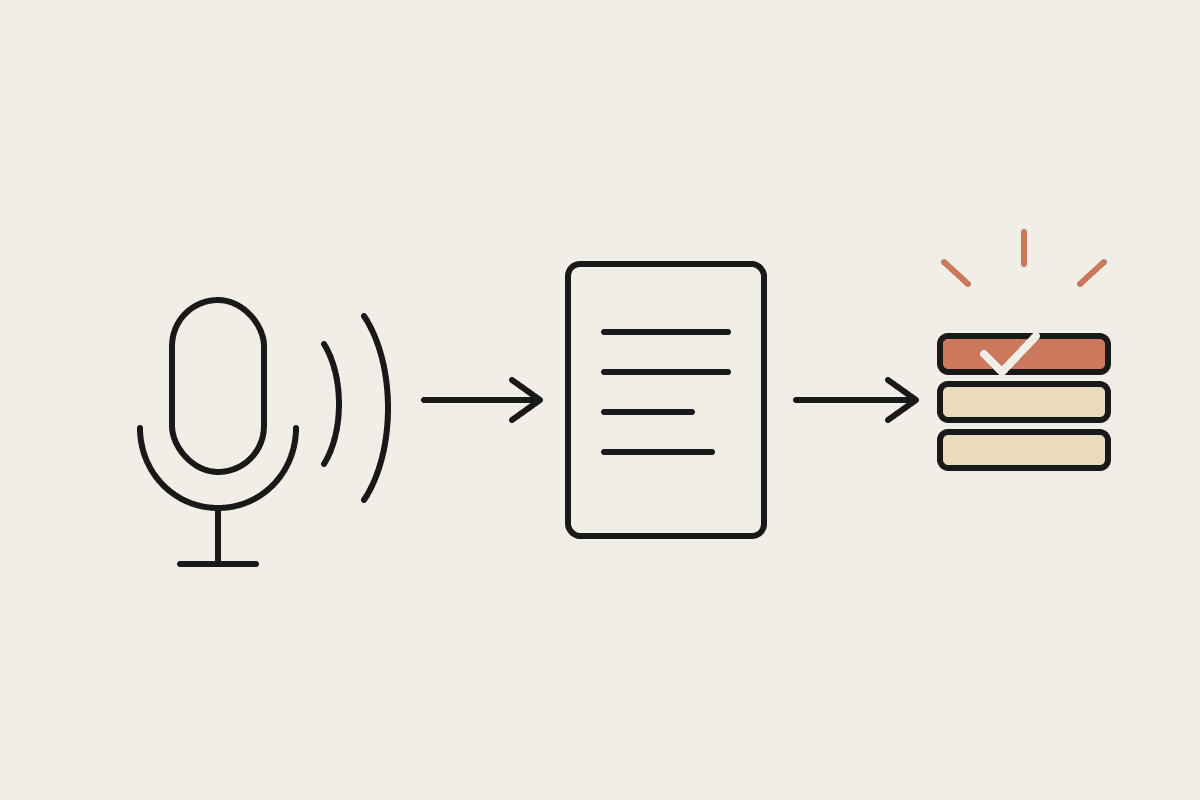
Paste the week's raw material: wins, problems, half-finished things, whatever's actually on your mind
Ask for the two or three things that matter most, not a full task list
Ask explicitly what to stop or delegate, this is the question founders skip on their own
Ask what question you're avoiding, the genuinely useful, uncomfortable part
Why the manual, Sunday-night version has value the automated one doesn't
An automated Monday brief compiles what happened. This prompt asks you to sit with it for fifteen minutes and actually think, which is a different kind of value, the reflection itself, not just the summary. Founders who've tried both report the automated version is more efficient for staying on top of operational detail, while the manual Sunday routine catches the bigger, slower-moving problems, the client relationship quietly going stale, the hire that isn't working out, that an operational summary alone never surfaces.
A Sydney founder's actual routine
A Sydney agency founder has run a version of this prompt every Sunday evening for four months, typically taking fifteen to twenty minutes with a coffee, no laptop-open work mode, just a phone and a rough mental list. She credits the 'what are you avoiding' question specifically with surfacing, in week six, a client relationship she'd been quietly deprioritising without consciously admitting it, a conversation she then had the following week that recovered a $6,000 project that had been drifting toward silent churn.
Making it a genuine habit rather than a one-off
Adapting the prompt to your own situation
The version above is a starting template, not a fixed script. Founders running teams add a line asking what to flag for a Monday team conversation. Solo operators add a line specifically about energy and burnout signals, since there's no one else tracking that for them. The core structure, raw material in, three or four specific reflective questions out, is what matters, the exact wording is worth adjusting until it produces answers that genuinely feel useful rather than generic.
It's worth trying this for a full month, four consecutive Sundays, before judging whether it's a habit worth keeping, since the value compounds as Claude, and more importantly you, build a clearer picture of recurring patterns across weeks rather than any single week's snapshot.
This isn't a replacement for the operational visibility an automated brief provides, the two serve genuinely different purposes and work well running side by side, an automated Monday summary for the facts, a manual Sunday reflection for the judgement calls a dashboard was never going to surface on its own.
For a founder who's never tried a structured reflective habit before, the barrier to starting is genuinely low, no app to set up, no dashboard to configure, just fifteen minutes, a rough mental list of the week, and a prompt copied into Claude. That low barrier is worth naming explicitly, because the habits that actually stick tend to be the ones that don't require any setup friction before the first genuinely useful session.
Worth trying this Sunday, even once, before deciding whether it earns a permanent spot in the week. The cost of trying is fifteen minutes and a coffee, considerably lower than most productivity habits ask for, and the honest test is simply whether Monday morning feels genuinely clearer having done it than it usually does without.
The prompt works better as a fixed weekly ritual, same time, same low-effort setup, than as something reached for only when things feel chaotic. Founders who treat it as a standing Sunday-evening habit, rather than an occasional check-in during a rough week, report it catching problems earlier, before they've become the kind of crisis that forces attention regardless of any routine.