A separate piece on this site covers the specific contract clauses that prevent vendor lock-in in a consultancy-built AI project. This one is broader: the architectural and data-handling choices, not just the contract terms, that keep a business's options open regardless of who built the system or what the paperwork says.
Where lock-in actually comes from, beyond the contract
Proprietary output formats that don't translate cleanly to another tool without a rebuild
Fine-tuned or heavily customised models that can't be recreated on a different platform without starting over
Integrations built directly against one vendor's specific API, with no abstraction layer in between
Accumulated corrections and context that only exist inside one vendor's account, with no export path
Architectural choices that keep you flexible
The single most effective choice is keeping your workflow's core logic, the prompts, the business rules, the decision criteria, in your own documentation rather than embedded solely inside a vendor's configuration screens. A Perth manufacturing business built its AI-assisted quality-control workflow with the actual inspection criteria and decision logic documented in a shared file, with the AI platform itself treated as a thin execution layer. When they later wanted to move from one AI provider to a cheaper alternative for cost reasons, the migration took under a week, because the hard part, the actual business logic, had never lived inside the vendor's system in the first place.
What this costs versus what it protects
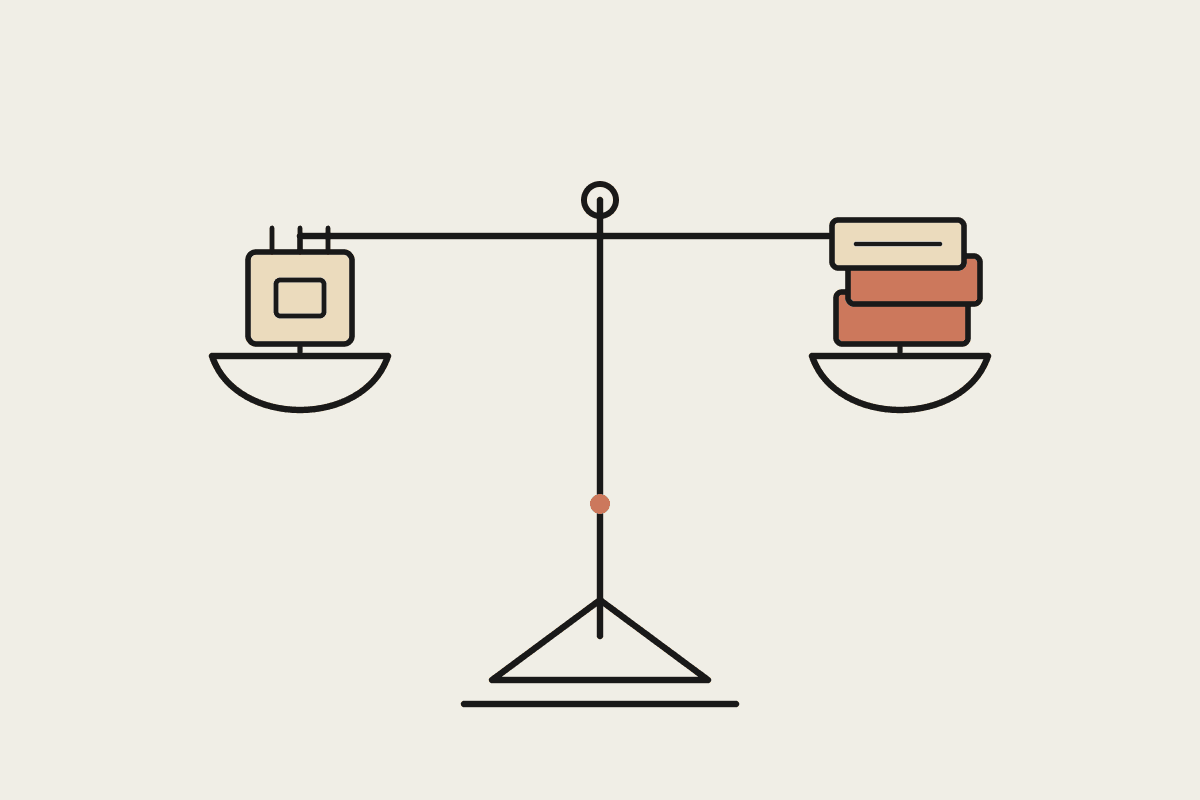
Building this way costs a small amount of extra discipline upfront, roughly 10-15% more setup time to document logic externally rather than configuring it directly inside a vendor's tool. Against a forced migration that the Perth business estimated would otherwise have cost $8,000-$12,000 and several weeks of disruption, that upfront discipline was a clear, easy trade once they'd seen the alternative play out for a competitor who hadn't taken the same approach.
A quick test for your own current setup
Ask, for each significant AI workflow: if this vendor doubled their price tomorrow, how long would it take to move, and what would it cost. If the honest answer involves rebuilding business logic from scratch because it only ever existed inside the vendor's tool, that's the specific gap worth closing, not by abandoning the vendor, but by getting the logic documented independently starting now.
If you want to check how exposed your current AI setup is to vendor lock-in, get in touch through /contact and we'll help you assess it.
Why this matters specifically for Australian businesses right now
Australian SMBs adopting AI over the past two years have mostly signed up with whichever vendor made the best first impression, without much thought given to what happens if that vendor's terms change or the relationship needs to end. As the market matures through 2026, price competition between vendors is increasing, which is good for buyers in theory, but only for buyers who've kept themselves genuinely able to switch. A business locked into one vendor's proprietary format can't take advantage of a better offer elsewhere even when one appears, because the switching cost outweighs the saving on offer.
This is a distinct concern from the Privacy Act obligations that already apply to how a business handles customer data inside any AI tool, though the two considerations often point toward the same practical fix: knowing exactly where your data and logic live, and under whose control, rather than trusting a vendor's dashboard to be the single source of truth for something the business actually depends on.
A small step that captures most of the benefit
You don't need a formal architecture review to start. Picking your single most important AI workflow and writing down its actual logic, in plain language, in a document you control, is a half-day task that captures most of the protective value this whole approach offers, without needing to rebuild anything that's already working.
None of this is about distrusting your current AI vendor specifically. It's about a general discipline that protects a business regardless of which vendor it's currently working with, since even a genuinely good vendor relationship today doesn't guarantee the same terms, pricing, or continued existence three years from now.
Start with whichever workflow would hurt the business most if it became unavailable overnight. That's usually the clearest, fastest way to find where the real exposure sits, ahead of any broader review of the rest of the stack.
Revisit this exposure check roughly once a year, since a workflow that was well-documented and portable when it launched can quietly drift back toward vendor dependency as staff make small configuration changes directly inside the tool over time, without anyone updating the external record to match.