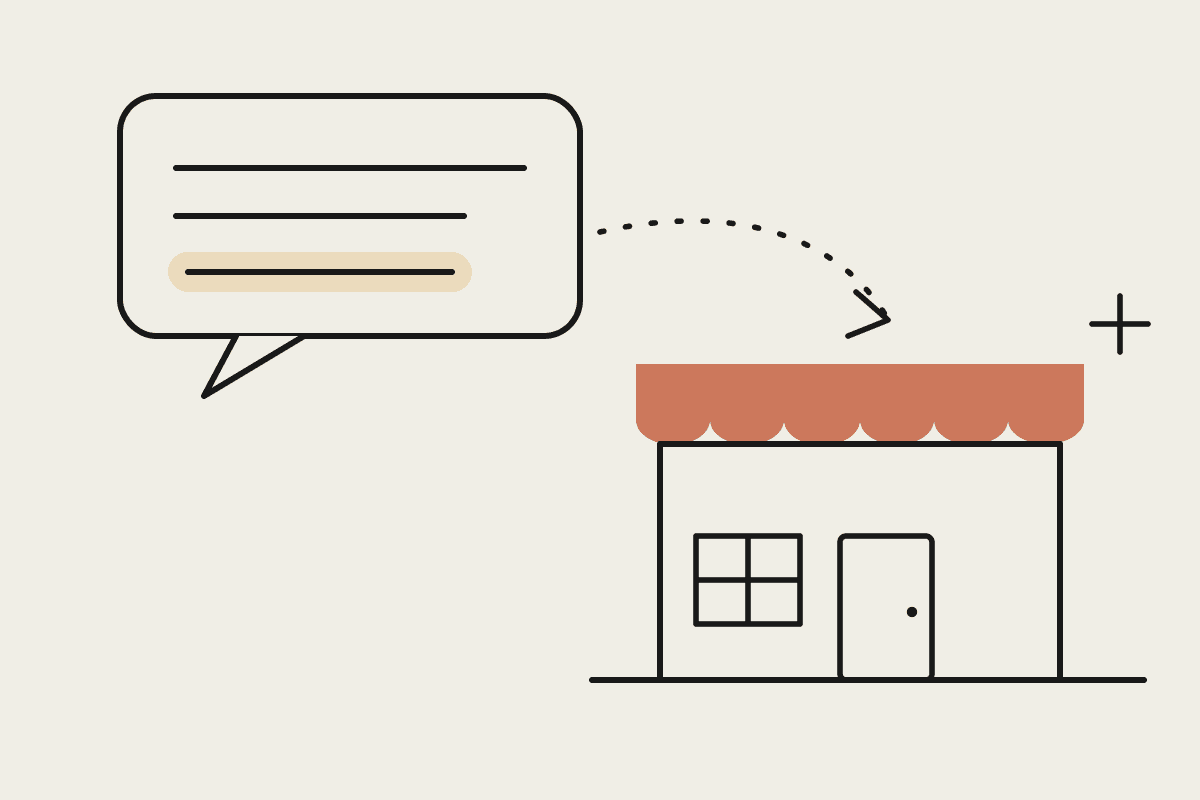
Answer engine optimisation is the work of getting your business named in the answer an AI assistant gives, rather than in a list of ten blue links. When someone asks Claude or ChatGPT "who does AI automation in Sydney", the assistant returns a short answer naming two or three firms. AEO is the practice of being one of those names. Whether you need it depends less on your industry than on whether your buyers have started asking software the questions they used to type into Google.
How it differs from the SEO you already know
Traditional search optimisation competes for a ranked position on a results page. The user still chooses. Answer engines collapse that choice: the assistant reads a set of sources, synthesises one response, and most people never click through. That changes what winning looks like. You are no longer optimising to be clicked, you are optimising to be quoted.
Search ranks pages, answer engines cite sources, so a page that ranks eighth can still be quoted if it answers the question cleanly
Keyword density matters less; a clear, directly stated answer near the top of the page matters more
Assistants favour content that is unambiguous and attributable, which rewards specifics and punishes vague marketing copy
Your competitors for a citation may not be businesses at all, they may be Reddit threads, government pages or industry bodies
What actually influences whether you get cited
There is no submission form and no paid placement. Assistants draw on a mix of their training data, live web retrieval, and whatever the user has connected. The practical levers are unglamorous: publish content that answers a real question in the first paragraph, be consistent about how your business is described across the web, and be present on the sources the assistants actually reach for.
Answer-first structure: state the answer, then explain it, rather than building to a conclusion at the end
Consistent business facts across your site, LinkedIn, and any directory listing so the assistant is not reconciling three versions of you
Specifics an assistant can safely repeat: a service, a city, a price band, a named capability
Third-party mentions, because a single self-published page is weaker evidence than the same claim appearing somewhere you do not control
Clean, crawlable pages, since a site that blocks retrieval bots removes itself from consideration entirely
How to tell whether any of it is working
This is where AEO gets uncomfortable, because the reporting most businesses expect does not exist. There is no equivalent of Search Console showing you which assistant queries surfaced your name. What you can do is test directly and track it yourself over time.
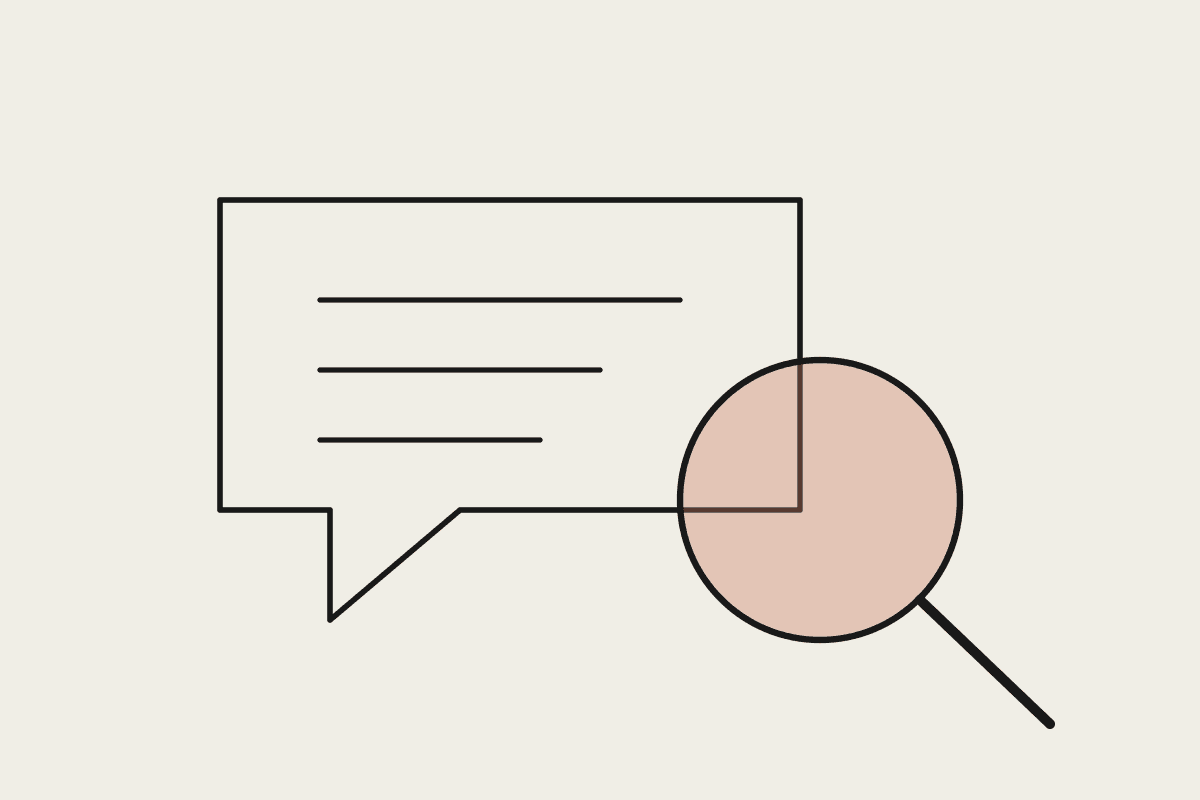
Write down the ten questions a buyer would actually ask an assistant before hiring someone in your category. Run them monthly across two or three assistants from a clean session, and record whether you appear, who appears instead, and which sources get cited. That list of competing citations is the most useful output of the whole exercise, because it tells you exactly which pages you would need to displace and whether that is realistic.
Do you need it?
For a Sydney business selling to other businesses, the honest answer in 2026 is that AEO is worth attention but not worth a panic budget. AI-assistant referral traffic is still small in absolute terms for most Australian companies. The reason to act now is not current volume, it is that the work overlaps almost entirely with good content practice, so you are not spending on a channel that might not arrive.
If you already publish, restructuring for answer-first delivery costs very little. If you do not publish at all, AEO is not the reason to start, it is a reason to structure what you write once you do. Budget-wise, a small Australian business restructuring its top twenty pages is a $3,000 to $6,000 job, not a standing retainer, and most of that spend improves ordinary search performance too.
What not to conclude
AEO is not a replacement for search traffic, and anyone selling it as a way to "rank in ChatGPT" is overstating what is knowable. Citation behaviour is not transparent, is not stable between model versions, and cannot be audited the way a Google ranking can. A result you see today may not hold after the next model update, through no fault of anything you did.
Treat it as a hedge on where discovery is heading, measured by whether you appear at all when you test the questions your buyers ask, not by a dashboard number someone promises you. If an agency quotes guaranteed AI citations, that is the signal to walk.
If you want to see how your business currently shows up when buyers ask an assistant about your category, book a short call and we will run the prompts your buyers would actually use.