Most Australian small businesses do not have an automation problem. They have a prioritisation problem. Ask ten owners what they would automate and you will hear ten different answers, usually whatever annoyed them most last week. That is a costly way to spend money and attention. The businesses that get automation right are rarely the ones with the biggest budgets. They are the ones that picked the right first task.
Here is a plain framework for deciding what to hand to Claude first, so your first automation pays for itself instead of turning into another half-finished project.
Why the loudest task is rarely the right one
The job that irritates you the most is not always the job worth automating first. A fiddly task that happens twice a year costs you a frustrating morning and nothing more. A dull task that happens forty times a day, quietly, is where the real money leaks out.
An accounting firm in Parramatta told us they wanted to automate their annual audit preparation. Fair enough, it is painful. But the same team was hand-keying supplier invoices every single day, and that job was costing them close to $45,000 a year in staff time once you counted the rework from typos. The annual job felt bigger. The daily job was bigger.
The four questions that rank any candidate
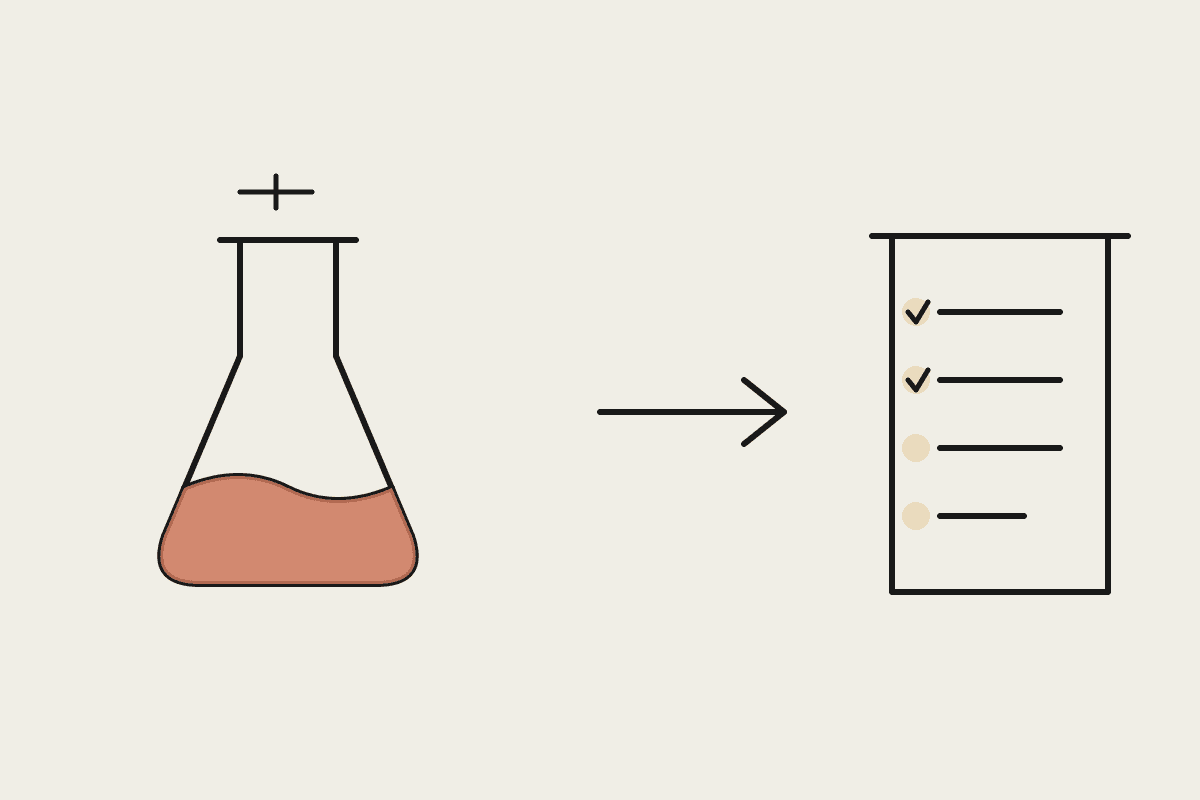
Before you automate anything, score it against four questions. You can do this on the back of an envelope in ten minutes.
Frequency. How often does this happen? Daily beats monthly. A task you repeat fifty times a week has roughly fifty times the payoff of one you touch weekly.
Time. How long does one instance take from start to finish, including the waiting and the checking? Ten minutes that recurs constantly adds up faster than an hour that comes around rarely.
Error cost. What does a mistake actually cost? A wrong figure in a BAS lodged with the ATO is expensive. A typo in an internal note is not.
Judgement. How much real human judgement does it need? Rule-following tasks automate cleanly. Tasks that need taste, negotiation, or a personal relationship should stay with a person, at least for now.
None of these four needs precise data. Rough numbers are fine. The point is to compare candidates on the same terms instead of going with whatever felt worst this morning.
Turn the answers into a number
Multiply frequency by time and you get hours saved per month, which is your upside. A Melbourne wholesaler processing 40 invoices a day at four minutes each is spending about 53 hours a month on that one task. At a loaded cost of $40 an hour, that is roughly $2,100 a month, or $25,000 a year, sitting in a job a person quietly hates doing.
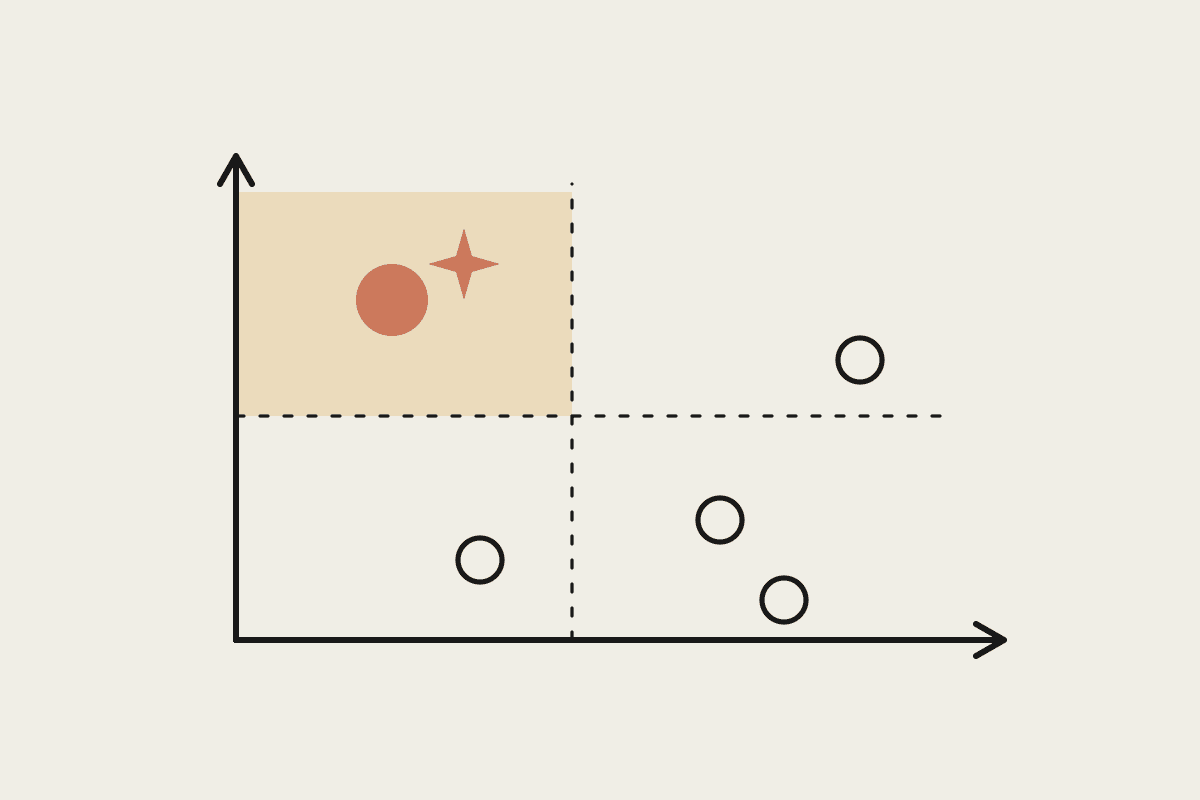
Then discount for the other two questions. High error cost and high judgement both mean the same thing in practice: the output will still need careful checking, which eats into the saving. A task that scores high on frequency and time but low on error cost and judgement is close to an ideal first candidate. That invoice job is exactly that shape.
Write the number next to each candidate. Nine times out of ten the ranking is obvious once it is on paper, and it is almost never the task you would have guessed at the start.
Start with one, and make it boring
Once the framework points at a winner, the temptation is to automate five things at once. Resist it. Pick the single highest-scoring task, build it properly with Claude, run it for a fortnight, and measure the result against your estimate. A boring, reliable automation that saves eight hours a week is worth far more than three ambitious ones that each work sixty percent of the time and need babysitting.
Each automation that works builds the confidence, and the internal know-how, to tackle the next one. Momentum matters more than ambition in the first ninety days.
Where Claude fits, and where it does not
Claude is well suited to the language-heavy, judgement-light middle of your business: reading inbound emails and pulling out the order, drafting first-pass replies, summarising long documents, checking one system against another, and turning messy notes into structured records. Those are the tasks that tend to score well on the framework and carry low risk.
It is not the right tool for moving money, and under the Privacy Act you will want a person in the loop wherever customer data leaves your control. Good automation keeps a human on the decisions that carry legal or financial weight and gives Claude the repetitive reading and drafting that surrounds them.
The framework is deliberately simple, because the goal is a decision, not a spreadsheet. Frequency, time, error cost, judgement. Score your top handful of candidates this week, pick the one with the highest number and the lowest risk, and start there. If you would like a second pair of eyes on which task to automate first, you can book a short brainstorm and we will work through your list together.