Adelaide businesses are asking a sharper question about AI than they were a year ago. Not whether to use it, but where it actually pays off, and how to start without a six-figure budget or a year-long project. This guide is for owners and operators across South Australia who want a practical read on automation: the work worth handing to software, the honest costs in AUD, and a way to test the idea in 90 days rather than betting the year on it. None of it requires you to become a technical expert or hire a data team.
What Adelaide businesses are actually automating
The automation that earns its keep is rarely glamorous. It sits in the repetitive, rules-light admin that quietly eats hours every week and never appears on anyone's job description. For most South Australian small and mid-sized firms, the first strong candidates look similar:
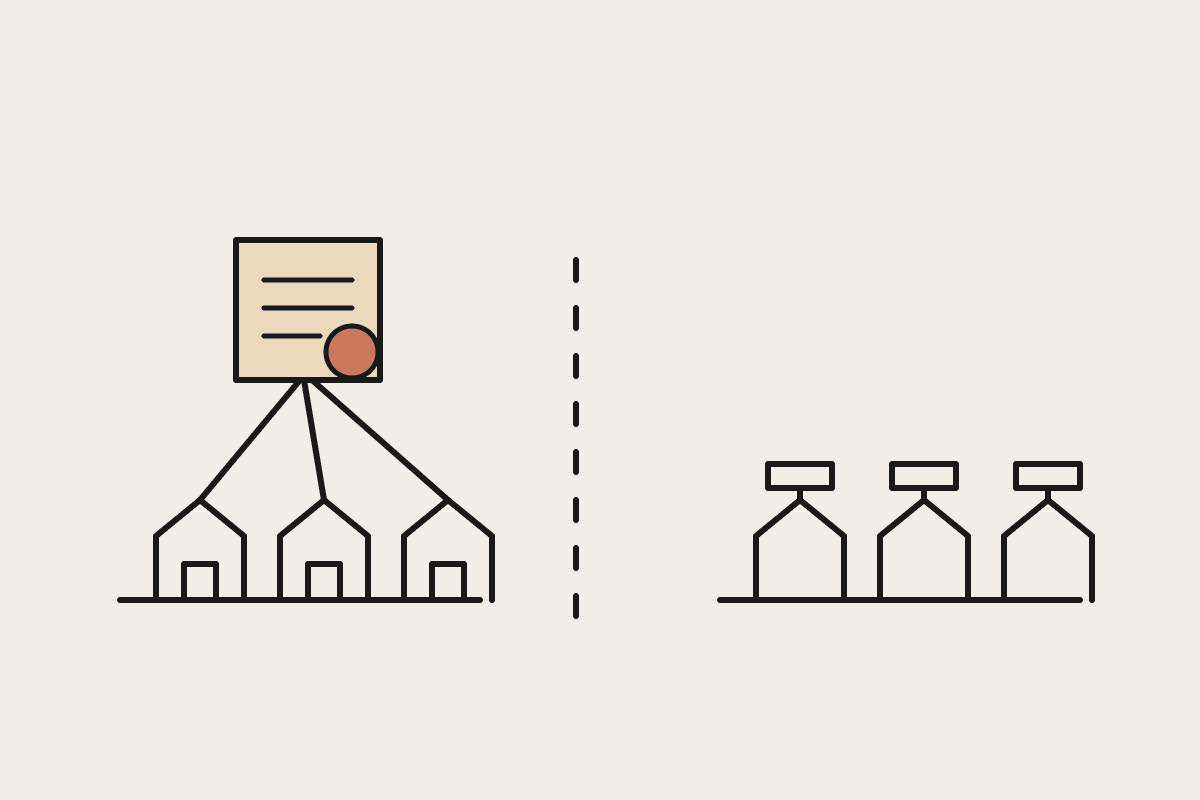
Data entry from documents: turning emails, PDFs and paper forms into structured data your systems can use, so staff stop retyping the same details three times.
First-draft replies: drafting responses to common customer and supplier questions, ready for a person to check and send rather than write from scratch.
Document summaries: condensing long contracts, reports and tender responses down to the few points a decision actually turns on.
Data tidying: reconciling and cleaning information between tools that were never designed to talk to each other.
Routine reporting: producing the weekly numbers and updates from data you already hold, on a schedule, without a person assembling them by hand.
Notice what is not on that list: replacing people, or automating the judgement calls that make your business yours. The point is to give your team back the hours currently lost to copy-paste work, so those hours go into customers, quality and the parts of the job that need a human.
What it costs, and what it returns
Costs have dropped a long way. A focused pilot that automates one or two of the tasks above typically runs between $3,500 and $8,000 to set up, depending on how many systems it has to touch. A broader build that wires several workflows together across a small team is usually a $15,000 to $45,000 project. The old assumption that you need a $250,000 platform before you see any benefit is well out of date.
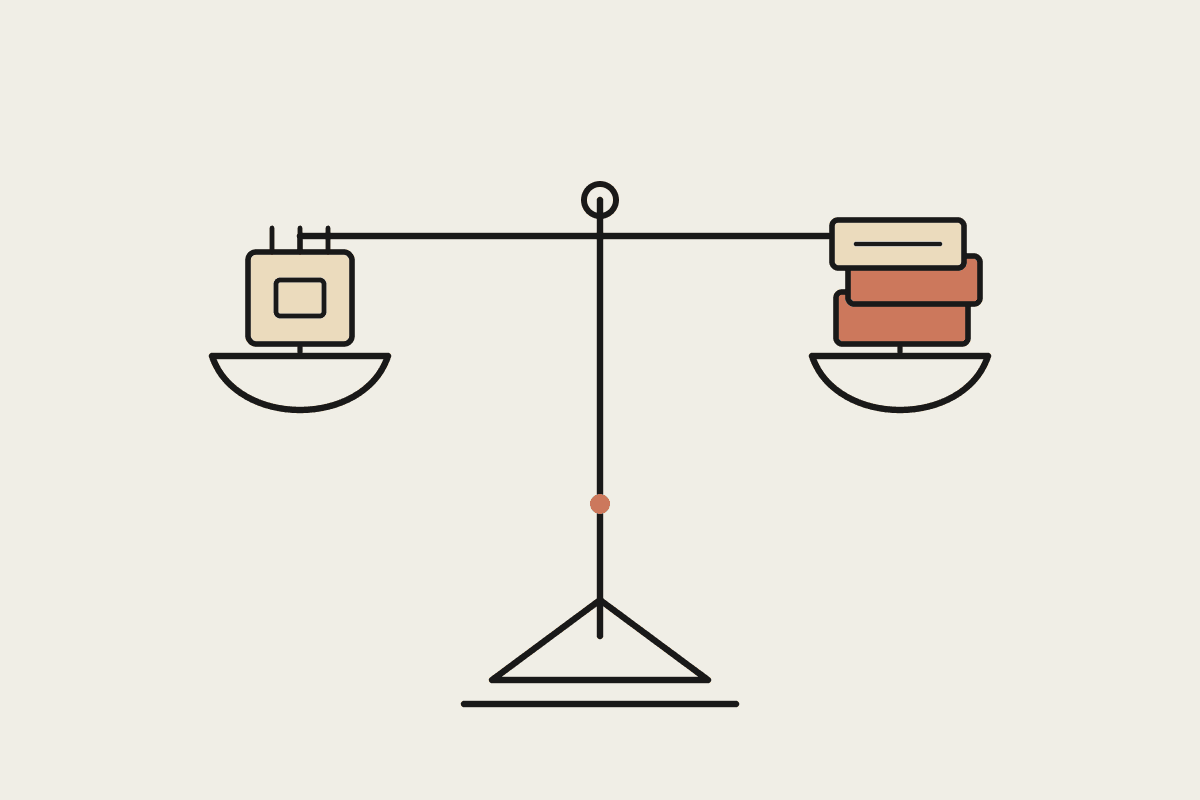
The return is easier to model than most owners expect. Say two staff each lose six hours a week to admin that software can handle. At a loaded cost of roughly $55 an hour, that is about $660 a week, or more than $34,000 a year, tied up in work a machine can do reliably. Set that against an $8,000 pilot and the payback lands inside three months. Everything after that is time your team redirects into billable, revenue-earning work.
Two cautions keep those numbers honest. First, count the cost of checking and maintenance, not just the build, because a person still reviews the output for a while. Second, do not claim the saved hours twice: they only count if they genuinely move to higher-value work rather than quietly disappearing into the day.
A 90-day path that limits the downside
The most common mistake we see South Australian businesses make is going wide before going deep. One well-chosen pilot teaches you more than a grand plan ever will. Here is the shape of a sensible first quarter:
Weeks 1 to 2: pick a single task, then measure how long it takes today and where it tends to go wrong. This baseline is what you will judge success against.
Weeks 3 to 6: build the automation for that one task, keeping a person in the loop to approve every output before it goes anywhere near a customer.
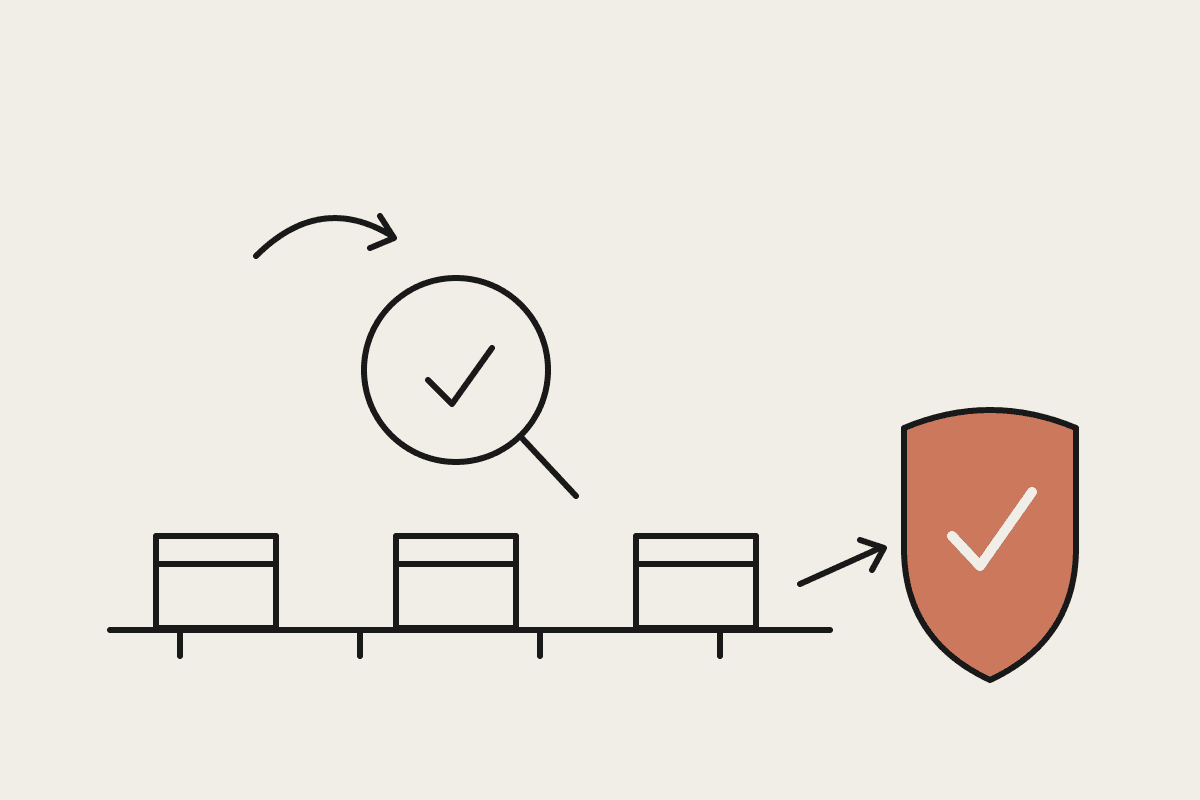
Weeks 7 to 10: run it on real work, log the time saved and the error rate, and tune the awkward edges you only find in practice.
Weeks 11 to 12: decide honestly whether to keep it, widen it, or stop. A pilot that fails cheaply is a good result, not a write-off.
Twelve weeks and a few thousand dollars buys real evidence about your own business, which beats any vendor promise or a glossy case study from a company that looks nothing like yours.
Where Claude fits
We build on Claude, Anthropic's AI model, because it suits the messy, language-heavy work most Australian businesses actually have: reading documents, drafting text in your voice, following instructions carefully, and flagging when it is unsure rather than inventing an answer. For anything that touches customer records or sensitive files, that willingness to admit uncertainty matters more than raw speed.
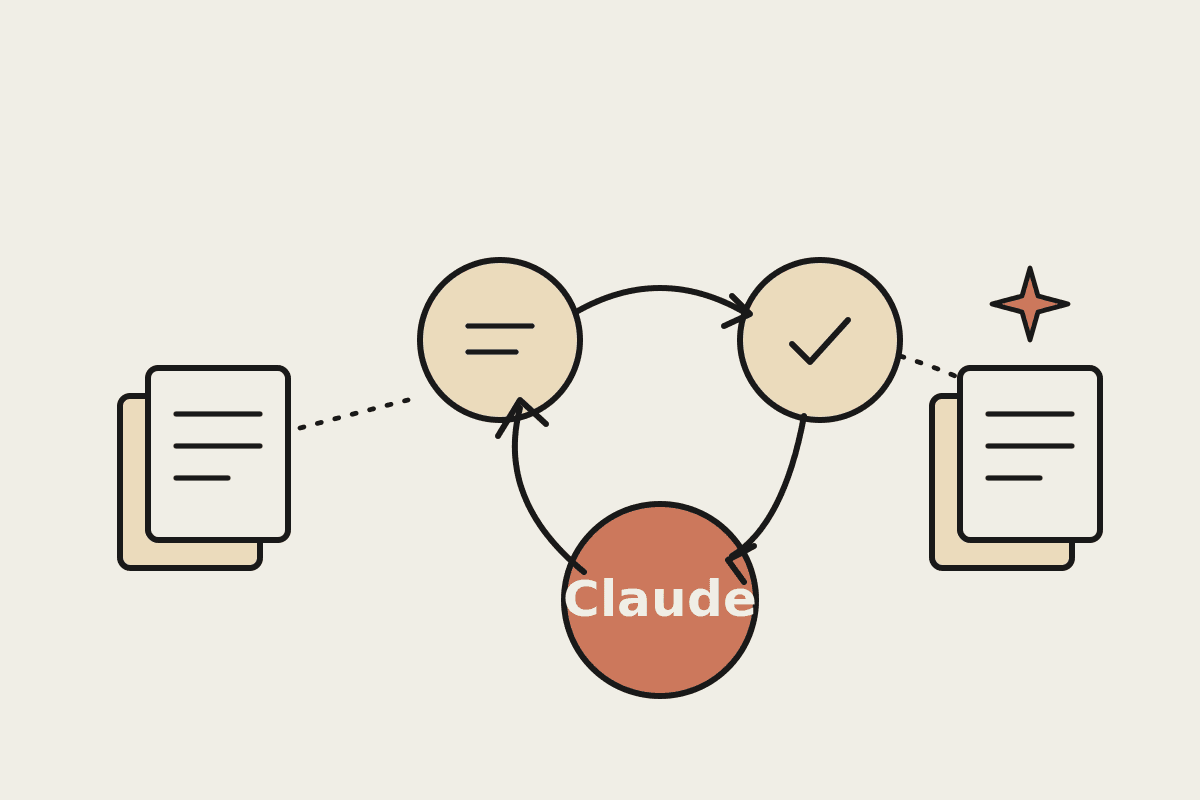
In practice this usually starts inside tools your team already uses. A setup can read from a shared inbox and your drive folders, draft the routine work, and hand it back for a quick human check before anything is sent. If you want to see what that looks like day to day, our Claude setup service walks through a first automation step by step.
Getting started without overcommitting
You do not need an AI strategy document, a new hire, or a long procurement process to begin. You need one painful, repetitive task and a willingness to test. Start there, measure honestly, and let the evidence decide the next move. That is how automation compounds in a business: one proven win at a time, each funding the confidence and the budget for the next.
If you would like a second opinion on where automation would pay off first in your Adelaide or wider South Australian business, book a short brainstorm and we will map two or three candidates with you, at no charge.