Perth runs on its own clock. Two to three hours behind Sydney and Melbourne, closer to Singapore than to the eastern seaboard, and competing for staff against a mining sector that pays a premium for anyone with the right ticket. That mix shapes what automation is worth to a Western Australian business. When an experienced operations coordinator costs $95,000 a year and takes three months to replace, the case for handing repetitive work to software gets sharp very quickly.
Through 2026 we have watched WA businesses move past the experiment stage. The question is no longer whether AI can help, but which specific jobs are worth automating first. Here is what Perth companies are actually putting into production this year, and what the numbers look like when they do.
What Perth businesses are automating in 2026
The pattern across mining services, professional firms, logistics, and mid-market retail is consistent. The wins are rarely flashy. They are the quiet, repetitive tasks that eat an afternoon and never show up in a quarterly report.
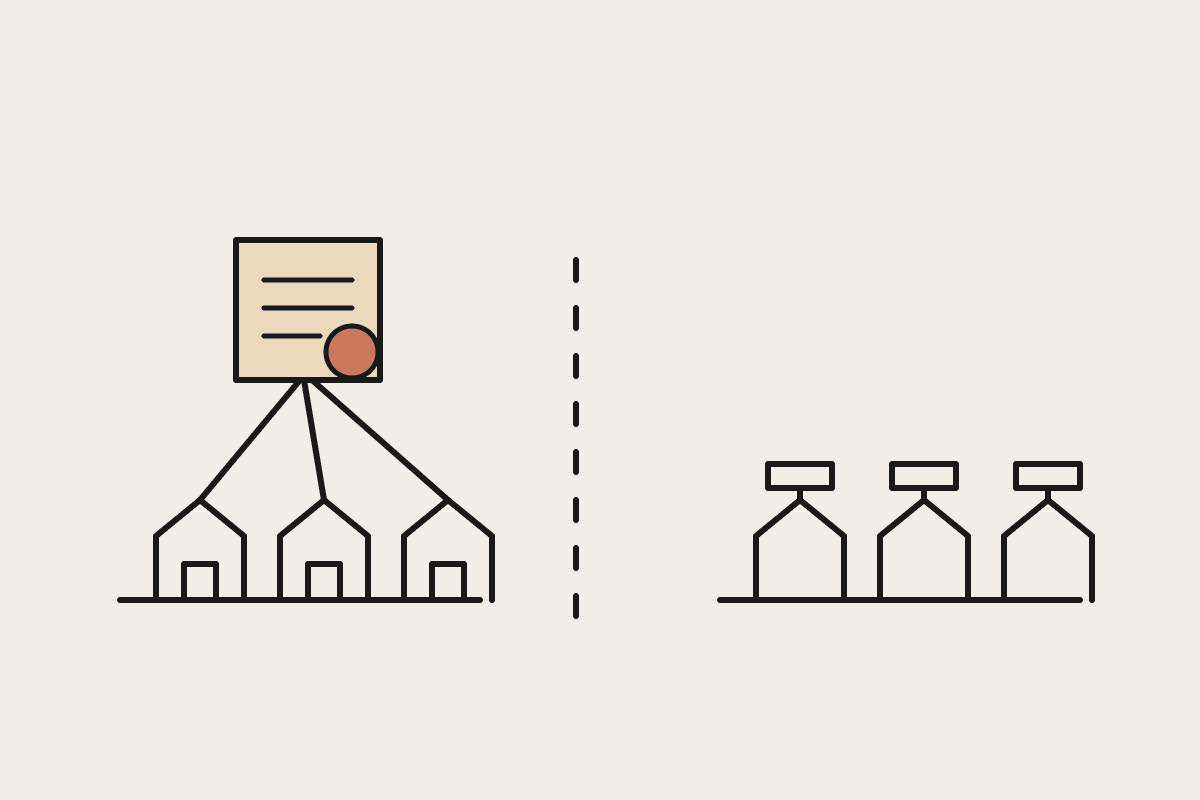
Document handling: reading tender responses, supplier contracts, and site reports, then pulling the key terms into a structured summary a person can check in minutes instead of hours.
Inbox triage: sorting an overflowing shared mailbox, drafting first-pass replies, and flagging the messages that genuinely need a human.
Quoting and proposals: turning a scope conversation into a first-draft quote using past jobs as reference, which matters for trades and engineering firms bidding across the state.
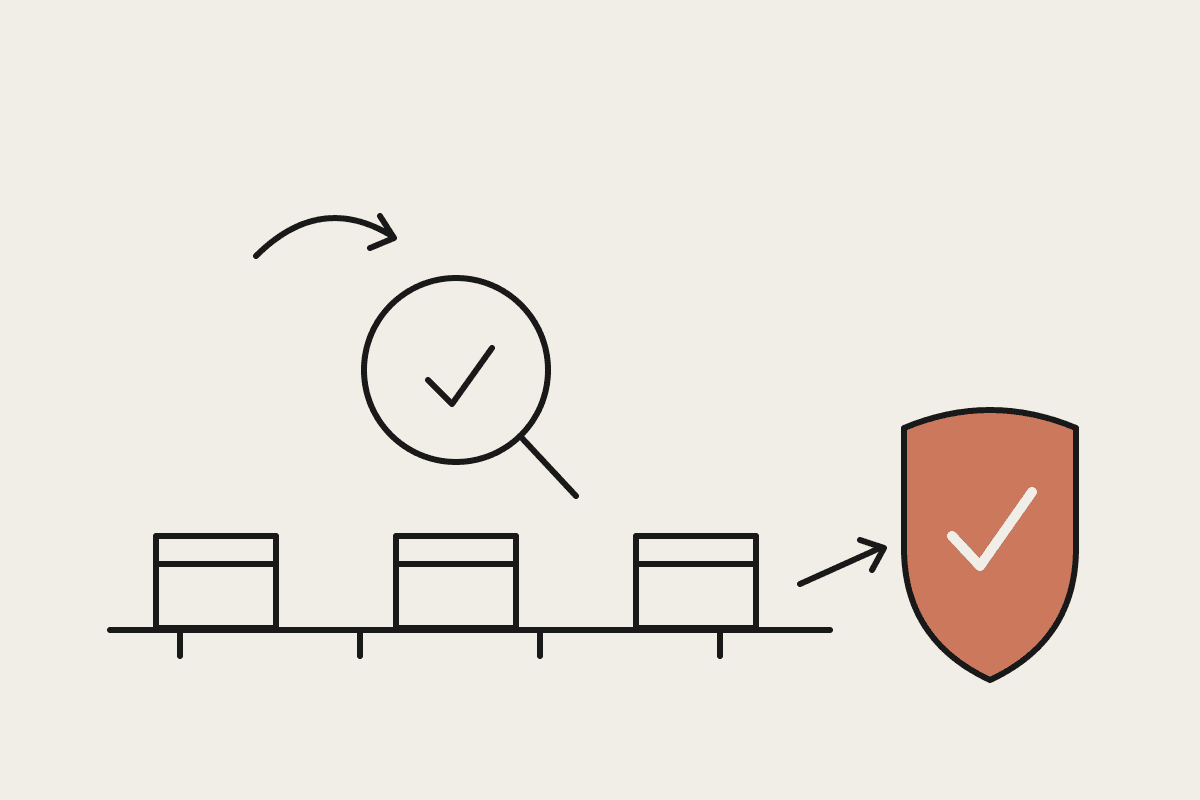
Compliance and reporting: assembling the same monthly safety, HR, and finance reports from data that already exists, so a coordinator is checking rather than compiling.
Knowledge lookup: giving field and support staff a way to ask plain questions of internal manuals, pricing sheets, and past project files without waiting on head office.
None of these replace a role outright. Each one lifts a slice of low-value work off a person who is already stretched, which is the whole point in a labour market as tight as Western Australia's.
Why Claude suits the WA mid-market
We build with Claude first because the model handles the two things Perth businesses care about most: reading long, messy documents accurately, and writing in a tone that does not embarrass the business in front of a client. A 40-page geotechnical report or a council planning bundle is where a lot of AI tools quietly fall over. Claude reads the whole thing and holds the detail.
The second reason is trust. Australian businesses are right to ask where their data goes. Claude can be run so that client information stays out of model training, and any deployment we design is built to sit comfortably alongside your Privacy Act obligations. For a firm handling financial, health, or personal records, that is not optional.
Claude is built by Anthropic, a company whose whole pitch is safety and reliability, and we treat that as the credibility tag rather than the headline. What matters to a business in Osborne Park or the Perth CBD is that the automation does the job, week after week, without a babysitter.
What the return actually looks like
The honest answer is that returns vary, and anyone quoting a single magic number is selling something. What we can share is the shape of a typical mid-market engagement.
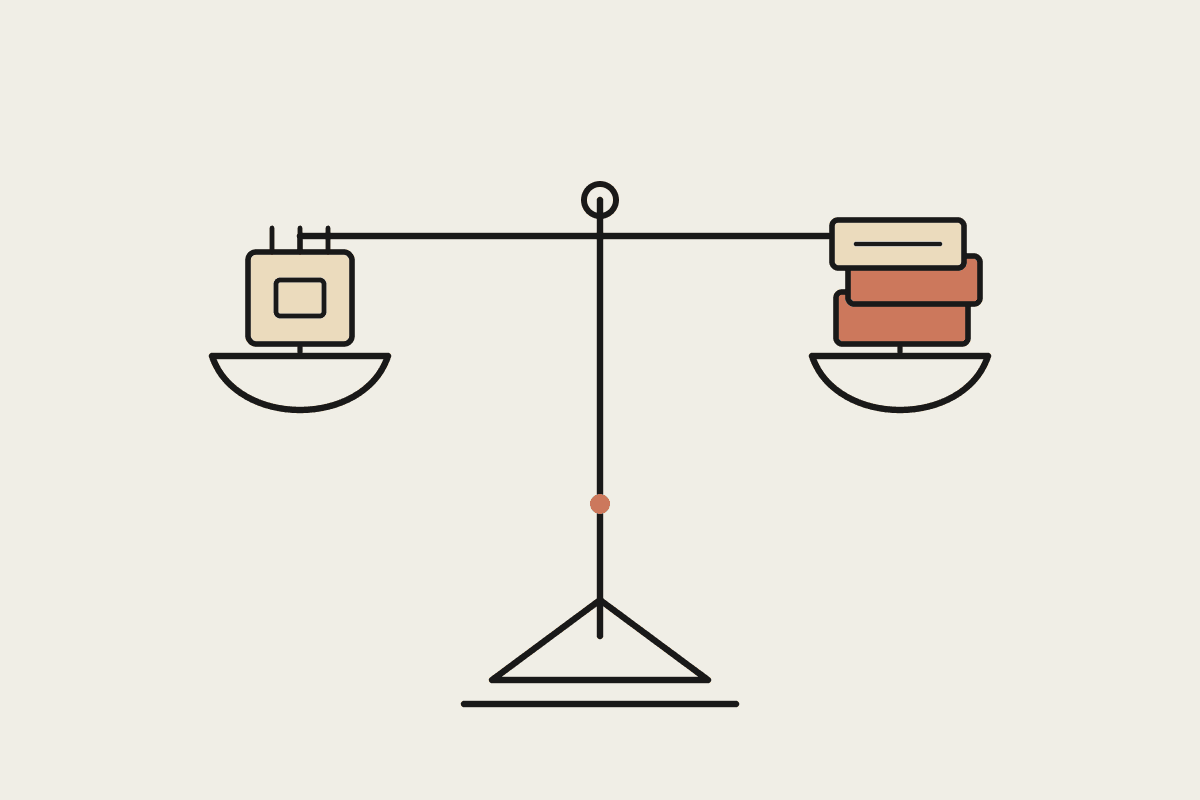
Take a professional services firm with a five-person admin team. Two of them spend roughly a third of their week on document handling and report assembly. That is about $60,000 of salary time a year pointed at work a well-designed automation does in a fraction of the hours. A build to cover it might run $18,000 to $35,000 depending on how many systems it touches, and it usually pays for itself inside the first year while handing those two people their afternoons back.
Time recovered: hours per week moved off senior staff and back onto billable or revenue-generating work.
Fewer errors: consistent handling of the same forms and reports, which matters when a mistake means a re-lodged compliance return.
Faster turnaround: quotes and client replies that go out the same day instead of sitting in a queue.
The trap is spending the money before you have proven the case. We have seen businesses sink 80-plus hours into a build nobody ends up using. That is why we gate every engagement behind a small validation step before anyone writes production code.
How to start without over-committing
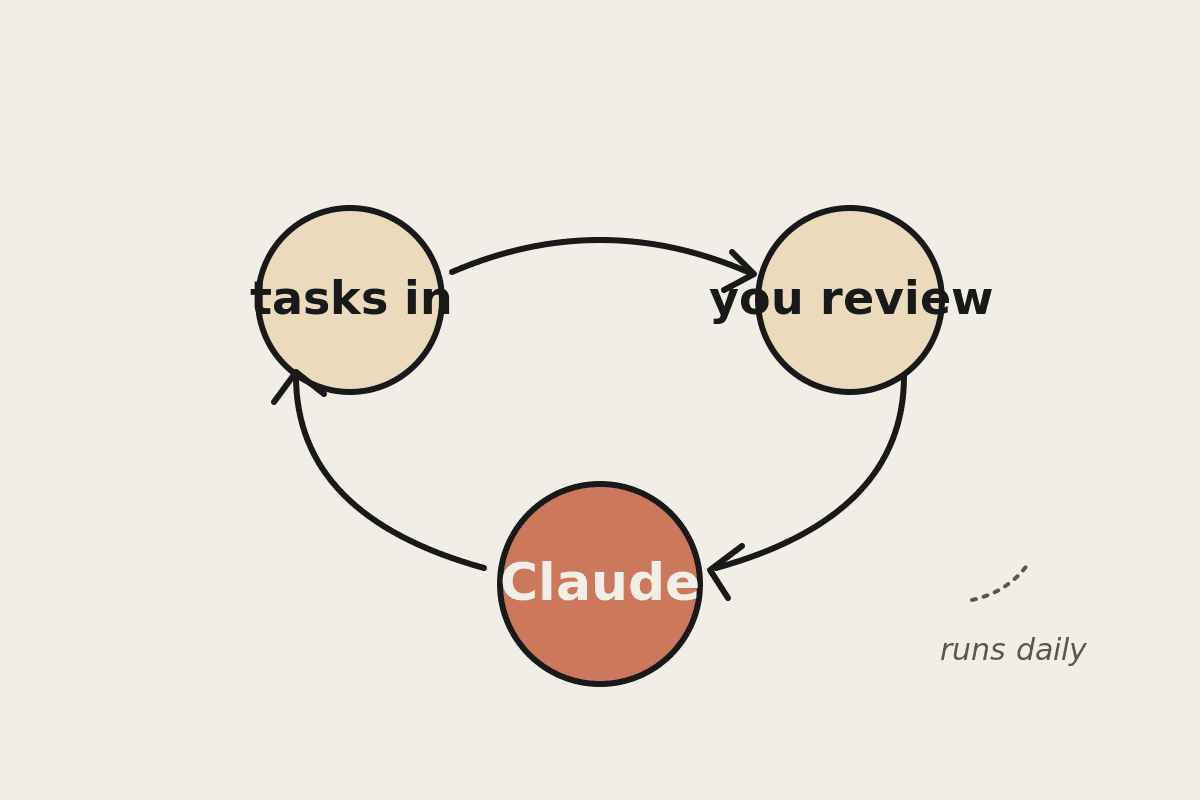
If you run a WA business and you are curious rather than convinced, start narrow. Pick one task that is repetitive, well-defined, and currently annoying. Automate that, measure it for a month, and only then decide whether to widen the scope. A first project in the $8,000 to $15,000 range is enough to prove or disprove the value without betting the quarter on it.
The Perth advantage here is the time zone that usually feels like a handicap. Your quieter morning overlaps with Asian business hours and runs ahead of the eastern states, which gives you a real window to trial new systems before the day gets loud. Used well, that head start compounds.
We are a Sydney-based team working with businesses right across Australia, Western Australia included, and we build Claude-first automation that earns its keep. If you want to talk through which task in your business is worth automating first, book a short brainstorm and we will give you a straight answer, even if that answer is not yet.