The Gold Coast building industry runs at a different pace to most of Australia: high-density coastal towers alongside canal-front custom homes, a construction pipeline that rarely slows, and a QBCC compliance regime every builder in Queensland has to get right regardless of project size. Builders here are not short of work. They are short of the admin capacity to keep up with it.
Where a Gold Coast builder's week actually goes
Builders running three to six concurrent jobs across the Gold Coast and northern New South Wales corridor report variations, RFIs and client updates as the recurring admin load that competes directly with time on site, and the one that slips first when a project hits a run of bad weather or a supply delay.
Turning site notes into clear variation documents a client can approve before work proceeds
Drafting RFIs to architects, engineers and certifiers, tracked against response deadlines across every live job
Sending the weekly client update that keeps an owner-builder or investor client informed without a phone call
Assembling QBCC-compliant documentation for progress claims and practical completion milestones
How this fits a Gold Coast building business
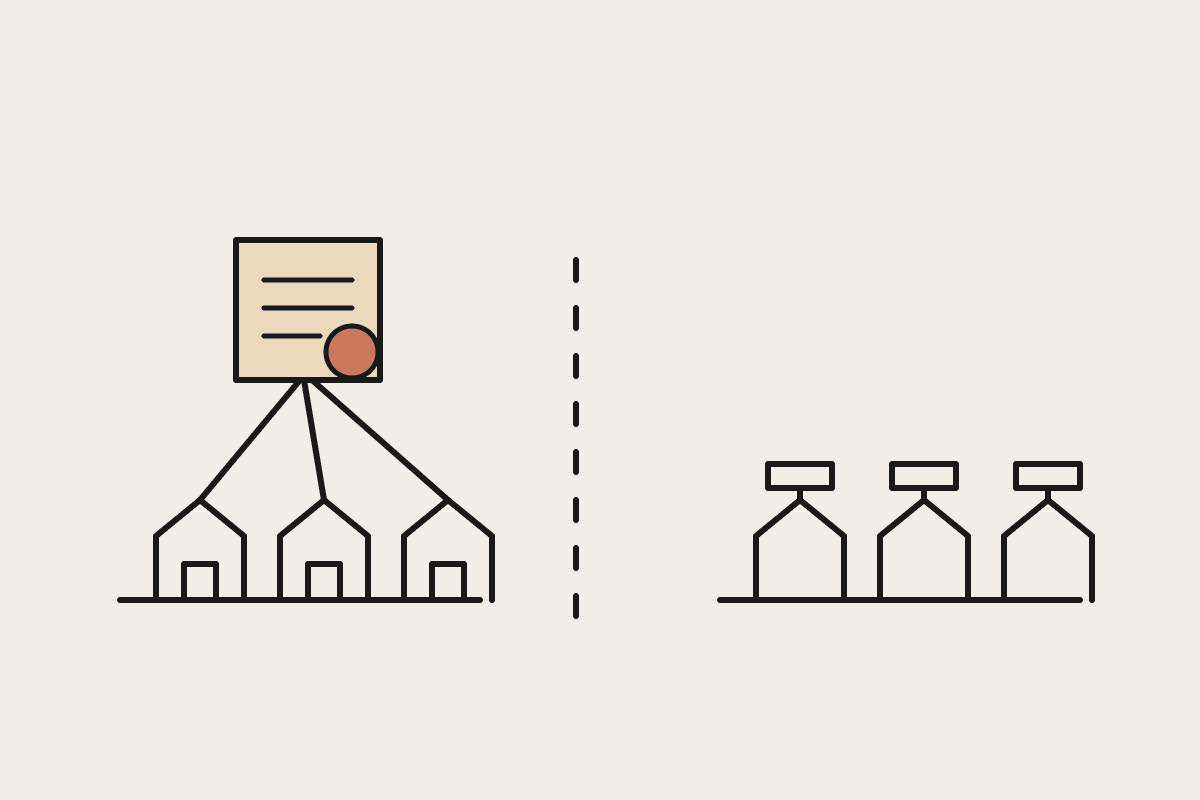
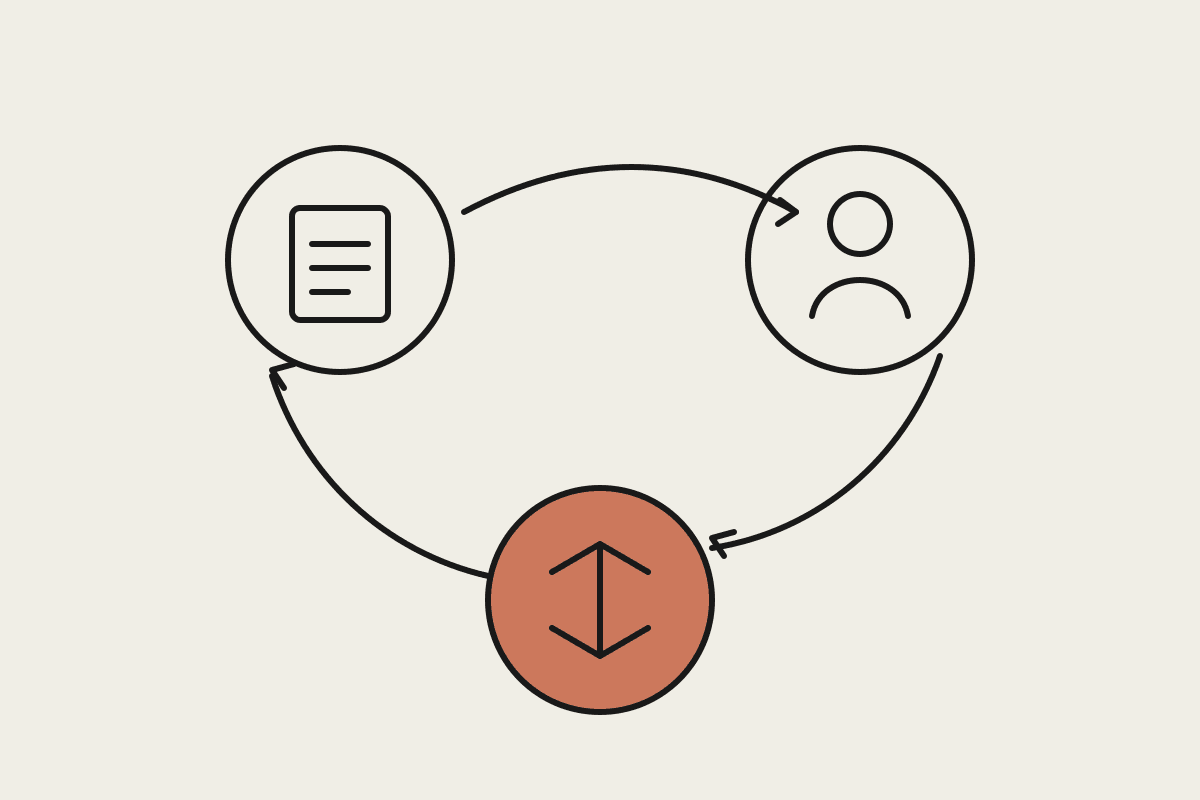
Claude turns messy site notes into a clear variation document ready for client sign-off, and drafts RFIs to architects, engineers and certifiers in the format each professional actually expects, tracked against response deadlines across a builder's full job list. For the weekly client update that keeps an investor or owner-builder client informed, particularly relevant on the Gold Coast's high volume of interstate and overseas investor-owned builds, it turns site progress into a clear written update without a builder making a round of phone calls after a long day on site.
QBCC documentation requirements apply regardless of where in Queensland a builder operates, and progress claim and practical completion paperwork needs to be right the first time to avoid a payment delay. Structuring that documentation from the same job data used for variations and RFIs keeps it consistent rather than separately reconstructed, which matters most when a builder is running several jobs at different stages and cannot afford to reconcile the same information twice.
Why the Gold Coast market adds its own pressure
Interstate and overseas investor clients are a bigger share of the Gold Coast build market than in most Australian regions, and those clients cannot simply drive past a site to check progress. A written weekly update is not a nice-to-have here, it is often the only visibility a client has into a project worth seven figures, and a builder who gets that update out consistently builds a level of trust that pays off in referrals and repeat business up and down the coast.
The construction pipeline along the Gold Coast and into northern New South Wales also runs hot enough that certifiers and engineers are themselves under load, which makes a clean, correctly formatted RFI more likely to get a fast response than one that needs a follow-up call to clarify what is actually being asked.
A worked example: a mid-size Gold Coast builder
A builder running four concurrent custom home and multi-unit projects worth a combined $8 million to $14 million typically has a site manager or contracts administrator spending twelve to eighteen hours a week on variations, RFIs and client updates across the portfolio. Structuring this from site notes and existing project data cuts that to six to eight hours, time that goes back into actually being on site rather than at a desk in the evening.
What it costs and what it's worth
Builders who have run this through a full wet season, when weather delays cascade into a backlog of variations and updated schedules all at once, say that is when the time saving matters most, precisely because that is when admin normally falls furthest behind site reality.
A builder this size typically spends $85,000 to $110,000 a year on contracts administration capacity. Setup runs $5,000 to $8,000, built around the builder's existing project management system and QBCC documentation requirements, live within two to three weeks.
Where the builder stays the builder
Every variation, every client update and every claim still goes through the builder or site manager's review before it is sent. Claude drafts against the source data; a person checks it and puts their name on it, and every document reflects exactly what was noted on site, nothing assumed or invented.
If your Gold Coast or northern NSW building business wants to see this against a real job, book a session at /contact and bring a recent variation so we can scope it against your actual project mix, whether that is custom coastal homes, multi-unit developments or a mix of both.