Western Sydney's industrial precincts, Eastern Creek, Erskine Park, Wetherill Park, Smithfield, host one of the densest manufacturing clusters in the country, everything from food processing to metal fabrication to plastics and packaging. This is specifically about the manufacturing vertical, distinct from the trade-and-quoting focus of on-tools businesses (covered in our separate piece on tradies in Western Sydney): a manufacturer's admin load centres on supply-chain paperwork, production scheduling, and compliance documentation, not job quotes and site visits.
The specific admin load a Western Sydney manufacturer carries
A mid-sized manufacturer running two or three shifts out of an Eastern Creek facility generates a steady stream of purchase orders, supplier confirmations, quality documentation, and WHS compliance paperwork that has to stay current across an entire production floor. Unlike a trade business chasing a handful of active jobs, a manufacturer is usually managing dozens of concurrent supplier relationships and a production schedule that shifts daily based on material availability and order priority. That paperwork load falls disproportionately on a small ops or admin team that's often outnumbered ten-to-one by production staff.
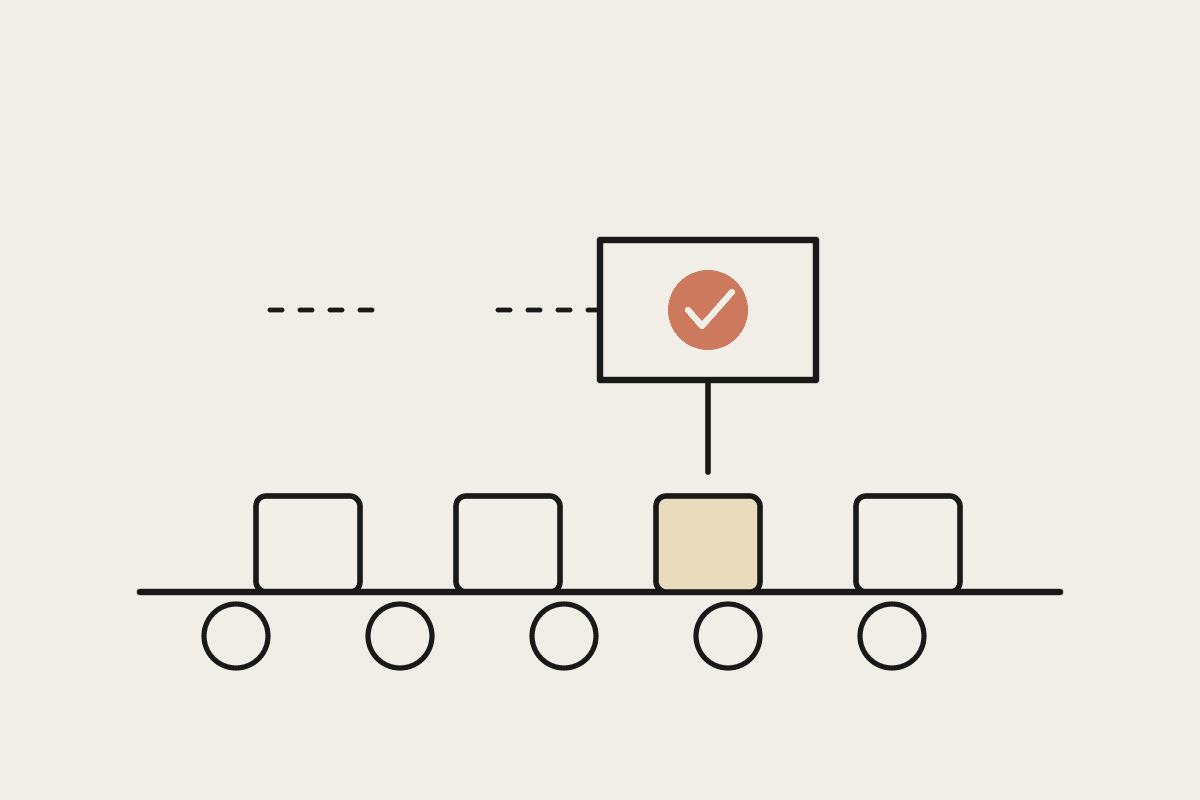
Western Sydney's manufacturing base also sits inside some of the most congested freight corridors in Sydney, which makes supplier delivery timing genuinely unpredictable. A packaging manufacturer waiting on a raw-material delivery from a supplier across the M4 corridor deals with delay risk that a CBD office business simply doesn't. Claude, run through Cowork, watches expected delivery windows against actual arrivals and flags anything trending late early enough that production scheduling can adjust, rather than discovering the gap when a line runs out of material.
What gets automated on a Western Sydney factory floor's admin side
Purchase order tracking and supplier delivery chasing, matched against a production schedule rather than a generic due-date list.
WHS incident and inspection documentation, drafted from a standard template but populated with the specifics of each event.
Quality compliance paperwork tracking, flagging documentation gaps before an audit rather than during one.
Customer order status updates, particularly useful for manufacturers supplying retail or hospitality clients who expect regular delivery-date confirmation.
A weekly production and supply-chain summary for the plant manager, consolidating what's normally spread across several disconnected spreadsheets.
Cost and what a manufacturing setup involves
Setup for a Western Sydney manufacturer typically runs $4,000 to $6,500, higher than a standard small-business engagement because manufacturing operations usually run a dedicated ERP or production-scheduling system alongside standard accounting software, and connecting both properly takes more discovery and testing time. A food-processing business in Wetherill Park we set up in 2026 needed close integration between its production-scheduling software and its supplier ordering system; the setup took just over three weeks but has since caught two material-shortage risks early enough to adjust the schedule before a line actually stopped.
Why this is different to a trade business's automation needs
It's worth being explicit about the distinction from our separate piece on tradies in Western Sydney, because the two get conflated easily. A trade business (an electrician, a plumber, a small building contractor) runs on individual jobs: quotes, site visits, invoices per job. A manufacturer runs on continuous production: a factory floor that doesn't stop between jobs, a supplier base numbering in the dozens rather than a handful, and compliance documentation that has to stay current across an entire operation, not per customer. The automation priorities genuinely differ. A tradie's Cowork setup leads with quote follow-up and job scheduling. A manufacturer's setup leads with supply-chain visibility and production-schedule protection, because a single missed material delivery can stop an entire line, not just delay one job.
This distinction matters when a Western Sydney business owner is comparing setup options. A generic automation provider that's mostly worked with trade businesses may default to a quote-and-invoice-focused build even for a manufacturing client, missing the supply-chain and compliance workload that actually matters more on a factory floor. Getting the discovery conversation right at the start avoids building the wrong first workflow.
Even within manufacturing, the specific mix matters. A food processor near Smithfield has traceability and shelf-life obligations a metal fabricator near Eastern Creek doesn't; a plastics or packaging manufacturer has different waste and materials-handling documentation than either. A properly scoped setup accounts for the specific regulatory load your product category carries, rather than applying a single generic manufacturing template across every factory floor in the precinct.
Get in touch through our contact page with your production system and supplier stack, and we'll give a straight read on scope before anything is quoted.
If you're running a manufacturing operation anywhere across Western Sydney's industrial precincts and want a straight read on what a setup would cost against your specific ERP and supplier stack, get in touch through our contact page.