An aged care provider is only ever as audit-ready as its weakest day of documentation. The Aged Care Quality Standards do not care that a care worker was short-staffed on a Tuesday; they care that the case note, the incident report or the care plan review from that Tuesday exists, is dated correctly and reflects what actually happened.
Documentation is a daily habit, not a filing exercise
Providers preparing for an accreditation visit often treat documentation as something to tidy up in the weeks before an audit. The providers who pass comfortably treat it as a daily discipline, because a gap from three months ago is much harder to explain than a gap from yesterday.
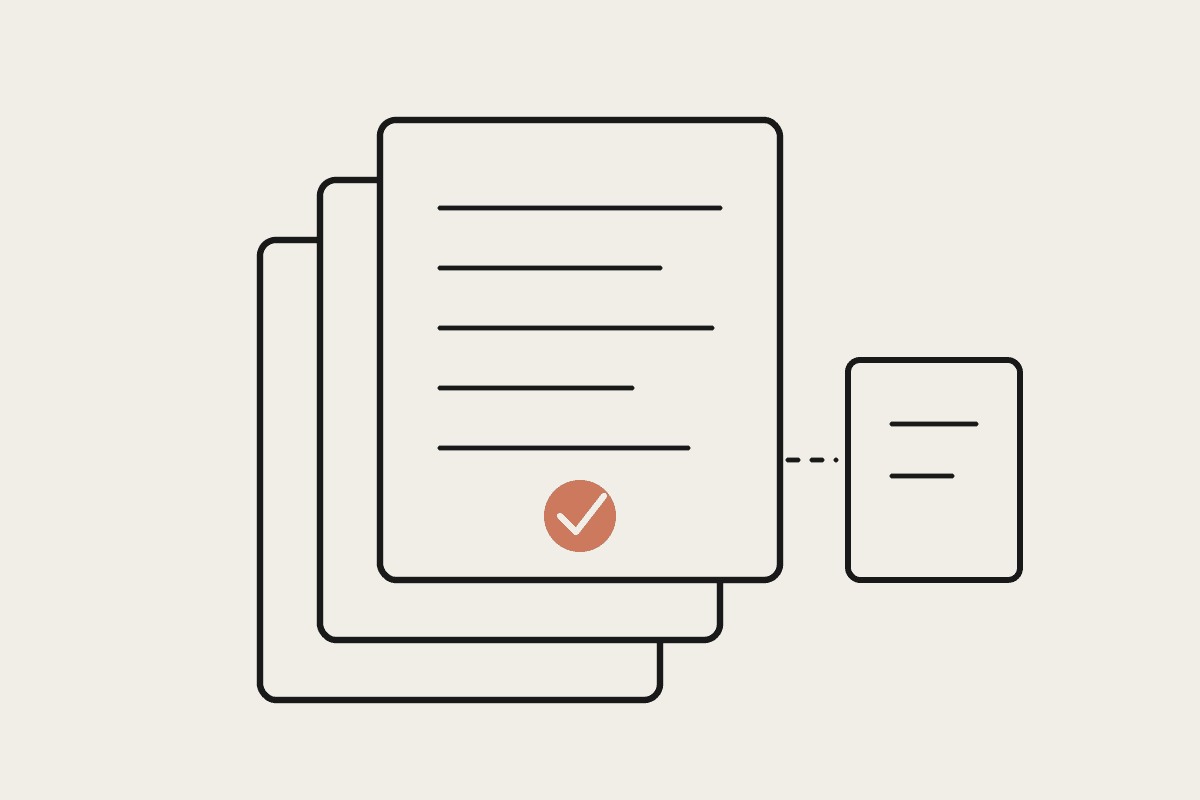
Turning a care worker's shift notes into a properly structured case note against the relevant Quality Standard
Flagging a care plan that is overdue for its scheduled review before an auditor finds it first
Drafting an incident report in the format a state regulator expects, from the raw facts a staff member reports
Building a documentation completeness check across a resident's file before it is needed for an audit
What this looks like day to day
Claude turns a care worker's handwritten or dictated shift notes into a properly structured case note, matched against the specific Aged Care Quality Standard it supports, ready for a registered nurse or care manager to review and sign off. It also runs a standing check across resident files, flagging a care plan review that is coming due or a documentation gap before it becomes a finding during an actual audit rather than after.
This is deliberately generic and workflow-focused. It is not tied to any single care management system, and it is not a claim about outcomes for any specific provider, just a description of how the documentation and audit-preparation work itself gets faster and more consistent.
Why consistency matters more than any single note
An auditor reviewing a resident's file is not looking for perfection on any one day. They are looking for a consistent pattern of documentation that matches what the Quality Standards require, week after week, across every worker who has cared for that resident. A file with excellent notes for three weeks and gaps in the fourth is a finding waiting to happen, and gaps like that are usually not a sign of poor care, they are a sign of a busy shift where documentation understandably slipped.
Structuring the note-taking process so it takes minutes rather than a significant chunk of a shift is what actually protects against that pattern of gaps, particularly on the short-staffed days when documentation is most likely to slip and most needed to be right.
A worked example: a mid-size residential provider
A residential aged care provider running 90 to 120 beds typically has care staff spending fifteen to twenty minutes per resident per shift on case note documentation, which across a facility this size adds up to well over a hundred hours of documentation time a week. A significant share of that time is spent on formatting and structuring notes correctly, not on deciding what happened. Structuring the note from what a worker actually observed, rather than starting from a blank field each time, is where the time comes back, and it is time a facility can put toward direct care rather than paperwork.
What it costs and what it's worth
Providers who have rolled this out across a full accreditation cycle report the audit itself becomes less stressful, not because the standard of care changed, but because the evidence of that care was already sitting in a consistent, complete file rather than needing to be reconstructed under pressure in the weeks before a visit.
A provider this size typically spends $150,000 to $250,000 a year in staff time on documentation and compliance reporting combined. Even a modest reduction in the time spent formatting notes and building audit-ready summaries, rather than gathering the underlying facts, is worth pursuing given how directly documentation quality affects accreditation outcomes. Setup for a facility this size runs $6,000 to $10,000, built around the provider's existing care management system and the specific Quality Standards it reports against.
Where clinical and care judgement stays human
Care decisions, clinical assessments and anything requiring a registered nurse or care manager's professional judgement stay entirely with qualified staff. Claude structures and drafts documentation from what staff report; it does not observe a resident, make a care decision or replace a clinical review. Every note still carries the reviewing nurse's or manager's sign-off before it is finalised in the resident's file.
If your organisation wants to see this against a real resident file, book a session at /contact and bring a recent case note so we can show you exactly where the structuring time comes back, without any resident-identifying detail needing to leave your own systems during that first conversation.