Claude is turning up in Australian insurance broking practices for a simple reason: the work is document-heavy, repetitive, and time-pressured, and that is exactly the kind of work large language models handle well. Schedules, certificates of currency, claims correspondence, renewal comparisons and endorsements move between insurers, brokers and clients constantly, and most of that movement is still done by hand. Broking is one of the better-fit industries for AI assistance we see, and it is also one where the open-model question comes up early, because of the client data involved. This guide covers where Claude fits in a broking practice, where a self-hosted open model genuinely earns its place, and how to start without getting the sequence backwards.
Where the time actually goes
Across the broking practices we have worked with, the repetitive load clusters in a handful of places. None of it requires judgement calls a broker cannot delegate the drafting of; all of it needs a broker's sign-off before it goes anywhere near a client or an insurer.
Reading policy wordings and producing plain-English summaries for clients
Comparing renewal terms against the expiring policy and flagging what changed
Drafting claims correspondence and chasing insurers for status
Preparing advice and file-note documentation to meet compliance obligations
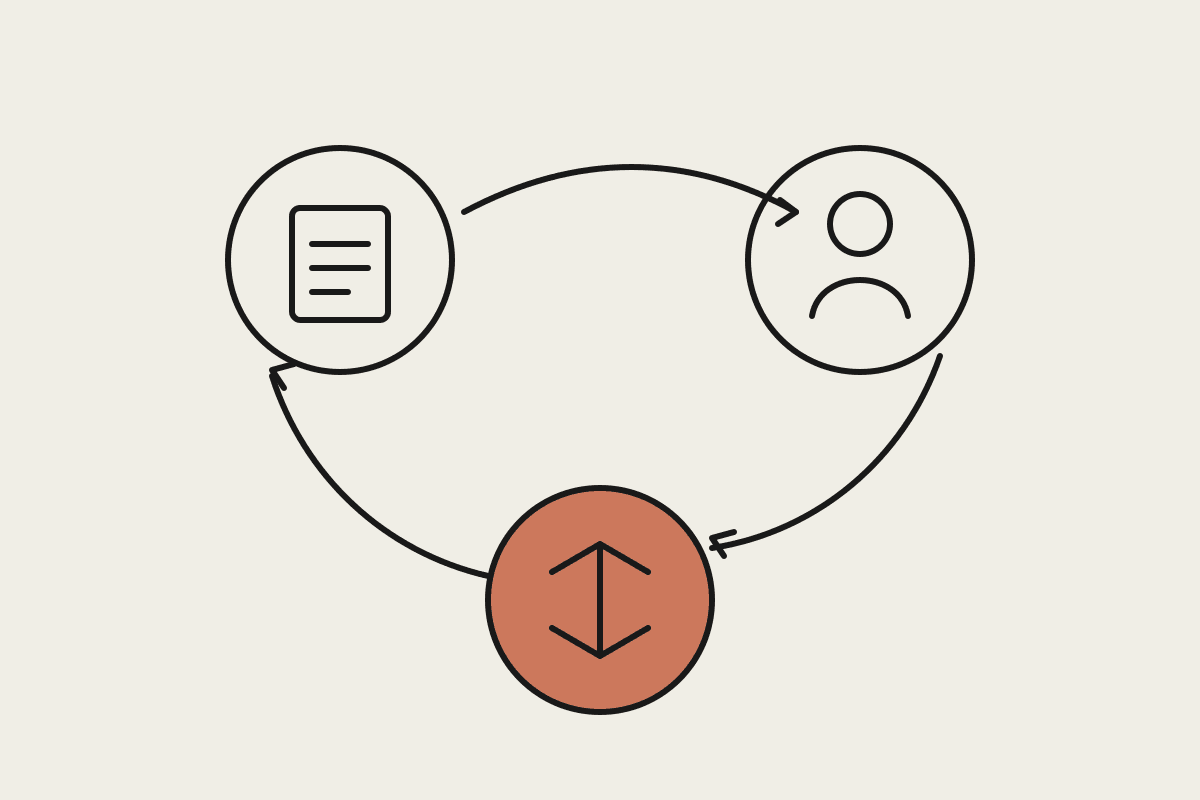
Each of those four sits in the same pattern: a broker reads a long, dense document, extracts the parts that matter for a specific client, and writes that up in plain English. That is precisely the kind of drafting work Claude does well, and it is precisely the kind of work that eats a broker's afternoon without ever showing up as billable, client-facing time. A well-configured Claude workflow handles all four, with a human reviewing the output before it leaves the practice. That review step is not optional and it is not a formality: it is what keeps a broker accountable for the advice under their licence, and it is also what makes brokers comfortable adopting the tool in the first place.
What that recovered time is actually worth
For a practice with six brokers, that workflow typically returns 8 to 15 hours a week. At a loaded cost of around $95 an hour, that is $40,000 to $70,000 a year of capacity recovered, capacity a practice can put toward more renewals, more new business conversations, or simply a saner week for the team doing the reading. Smaller practices see smaller absolute numbers on the same math; the ratio holds because the underlying documents do not get any shorter just because there are fewer brokers to read them. It is worth treating that range as a starting estimate rather than a promise: the actual number depends on how document-heavy your book is and how disciplined the practice is about using the workflow once it exists.
The data question brokers ask first
Broking files contain personal information, sometimes health information, and commercially sensitive client detail. The obligations come from the Privacy Act, ASIC's expectations around advice records, and whatever your professional indemnity insurer and your insurer agreements specify. Those obligations are real, and they are usually the first thing raised in any AI conversation with a broking principal. They also push some practices toward a self-hosted open model on the assumption that it is the only compliant path.
It usually is not. Claude runs in Australian regions through Amazon Bedrock, with no training on your data and contractual terms a compliance officer can actually read and sign off on. That satisfies the residency and confidentiality questions for most broking practices without anyone on staff taking on model operations, security patching, or the ongoing cost of running infrastructure nobody in the practice was hired to manage. A managed deployment also means the practice is not the one accountable for keeping the model current, patched and monitored, which is a job most six-broker practices were never resourced to take on in the first place.
Where Claude fits, and where an open model earns its place
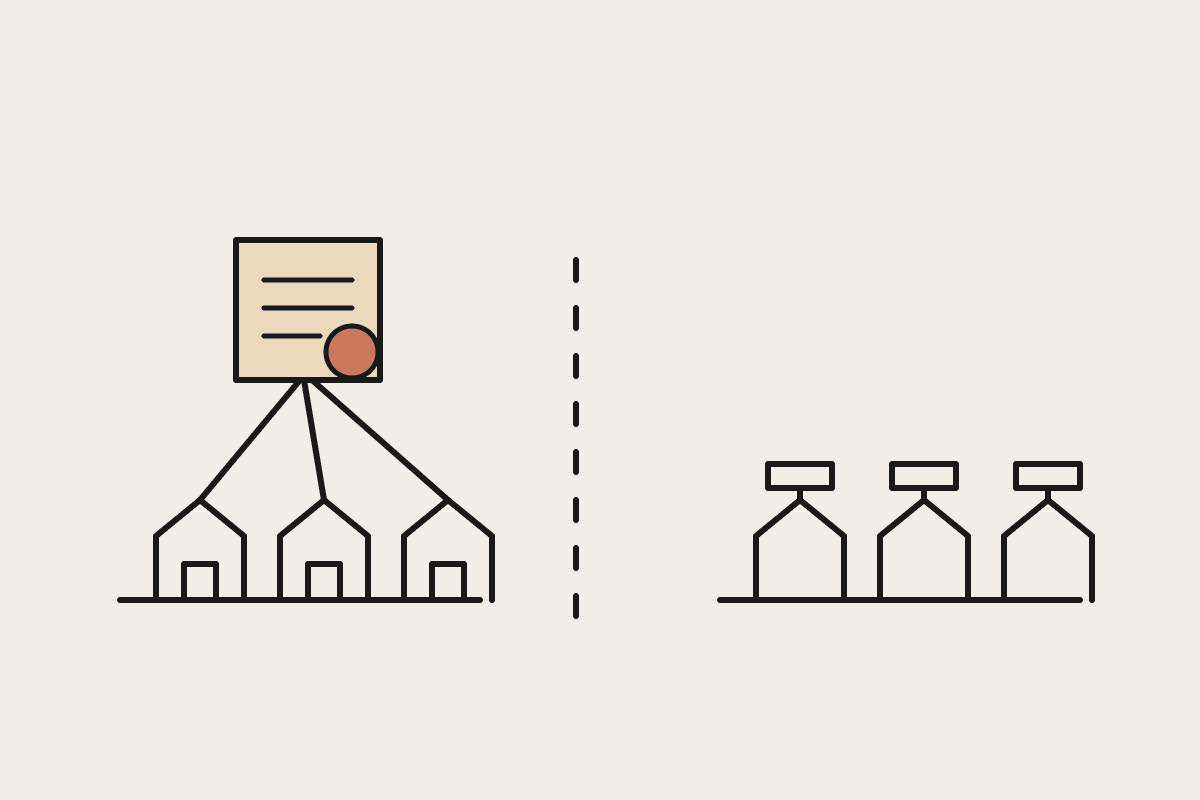
For the large majority of broking practices, a managed Claude deployment through Bedrock is the right starting point, not a fallback while an open-model project gets built. There are exceptions, and they are worth naming honestly rather than glossing over.
Authorised representative networks processing very high document volumes across many practices
Groups already running their own infrastructure with engineers on staff to maintain it
Arrangements where an insurer partner imposes residency terms a managed service cannot meet
Outside those three situations, standing up and maintaining an open model is solving a problem the practice does not have, at a cost most broking businesses would rather not carry. It also delays the actual benefit: every week spent scoping infrastructure is a week the renewal comparisons are still being done by hand.
Starting sensibly
The mistake we see most often is starting with the model choice instead of the workflow. Pick the one process that costs the most time, build it properly, measure it for a month, and only then argue about infrastructure. A renewal comparison workflow is usually the best first target, because the output is easy to check against the expiring policy and the time saving is obvious within a single renewal cycle. Get that one workflow right before touching claims correspondence or advice documentation, and the rest of the rollout goes a great deal faster because the practice already trusts the review step.
Broking principals also ask how this sits alongside their existing broking platform and CRM. Claude is not a replacement for those systems. It sits next to them, drafting the reading-heavy documents a broker would otherwise produce by hand, while the platform of record stays exactly where it is. That distinction matters for APRA-regulated insurer relationships too: nothing about adopting Claude changes who is accountable for the advice given to a client, and it should not. The broker signs off. The tool drafts. Keeping that boundary explicit from day one is also what makes the rollout easy to explain to a compliance committee or a PI insurer asking what has changed.
What good implementation looks like in practice is smaller than most brokers expect. One workflow, one clear owner, a month of side-by-side comparison against how the task used to be done, and a short document explaining what the tool does and does not touch. Practices that skip straight to rolling it out across the whole team tend to stall, because nobody has actually confirmed the output holds up against a real renewal file. Practices that run the narrow pilot first end up expanding faster, because by the time the second and third workflows go live, the brokers already trust the process.
A short checklist before you start
If you are weighing this up for your own practice, work through these before committing to a build.
Name the single process eating the most broker hours each week; for most practices it is renewal comparison
Confirm where the data will sit and check that against your Privacy Act obligations and insurer agreements
Decide who reviews and signs off every AI-drafted output before it reaches a client or insurer
Set a one-month measurement window before deciding whether to expand the workflow
Only evaluate a self-hosted open model if your practice falls into one of the three exception categories above
None of this needs a large project or a long procurement process. It needs one workflow, measured honestly, before the next conversation about infrastructure. If you run a broking practice in Sydney, Melbourne or a regional centre and want a short assessment of where to start, get in touch.